
...

Author: gmandsit

  • GI Diseases & Heart Risk: Why GI Health Protects Your Heart

    GI Diseases & Heart Risk: Why GI Health Protects Your Heart

    The Gut-Heart Connection

    6baf0e37 fc57 4969 ba5e fa2c837e85c6
    ChatGPT Image Feb 3, 2026, 06 54 47 PM (1)
    ChatGPT Image Feb 3, 2026, 03 10 49 PM
    ChatGPT Image Feb 3, 2026, 03 22 38 PM
    ChatGPT Image Feb 3, 2026, 03 30 09 PM
    ChatGPT Image Feb 3, 2026, 03 32 05 PM

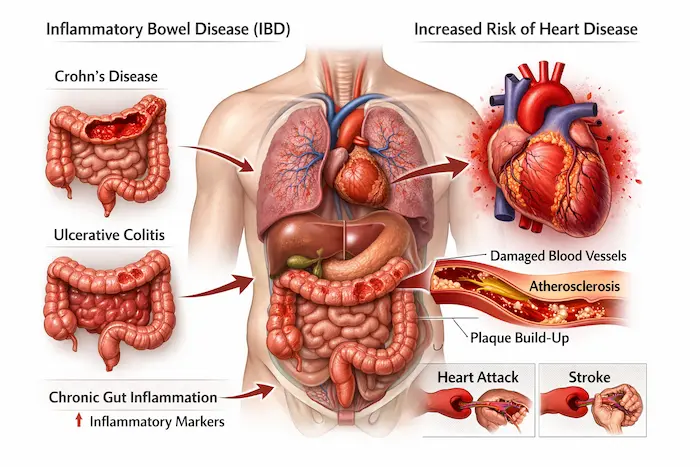
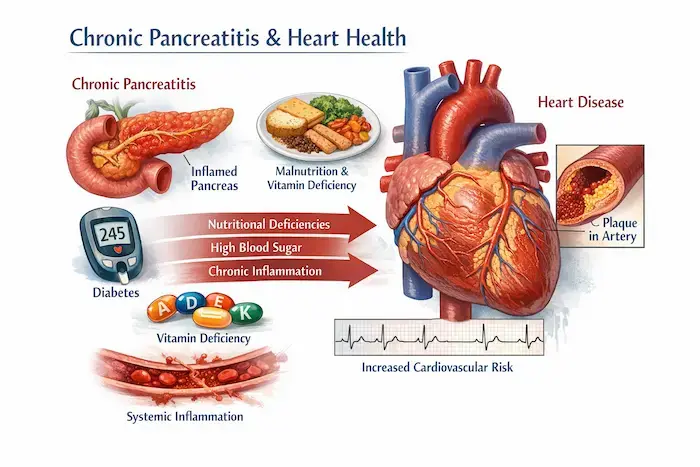
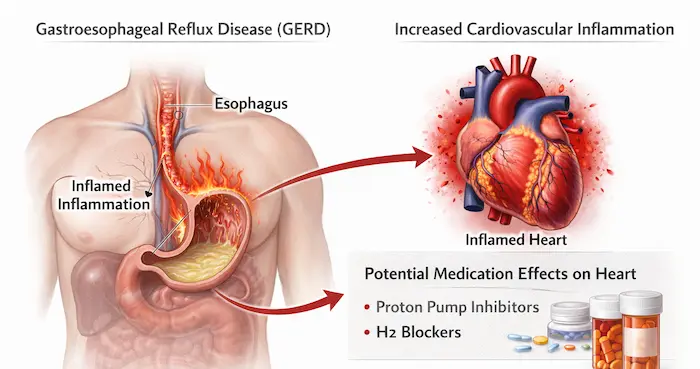
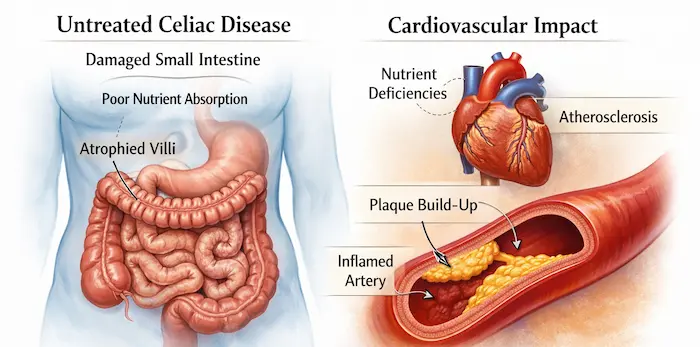
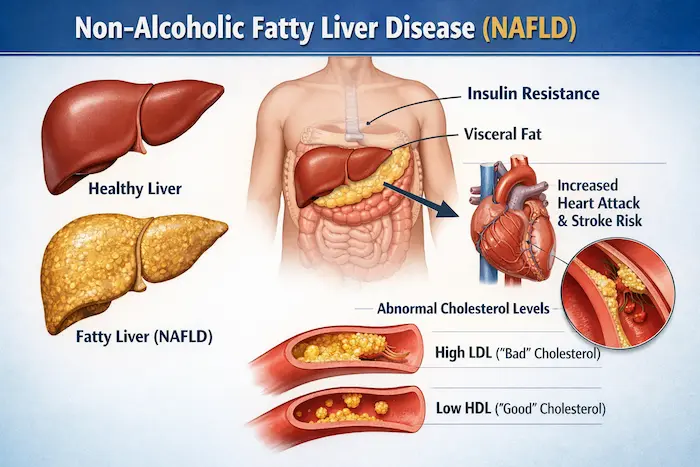
    How GI Problems Affect Heart Health

    Protecting Your Heart Through GI Health

    ChatGPT Image Feb 3, 2026, 03 11 34 PM

    The Bottom Line

  • Diet Resolution Week (No Gym): A Doctor’s “Digestive Fitness” Plan

    Diet Resolution Week (No Gym): A Doctor’s “Digestive Fitness” Plan

    Eating + timing + walking + sleep — no workouts needed.

    Most “diet resolutions” fail because they depend on motivation, not routine. From a medical point of view, your hunger, bloating, cravings, energy dips, and bowel regularity are strongly shaped by four daily controls: what you eat, when you eat, what you do after you eat, and how you sleep.
    That’s the idea behind Digestive Fitness—a simple 7-day reset that makes digestion calmer and eating decisions easier.


    What “Digestive Fitness” means

    It means your body handles meals with less digestive stress:

    • less heaviness and bloating
    • fewer sugar spikes and crashes (so fewer cravings)
    • better fullness (satiety)
    • smoother bowel routine
    • better sleep (late digestion often disrupts rest)

    Instead of “eat less,” the goal is reduce digestive load + stabilize post-meal energy.


    The 4-part plan

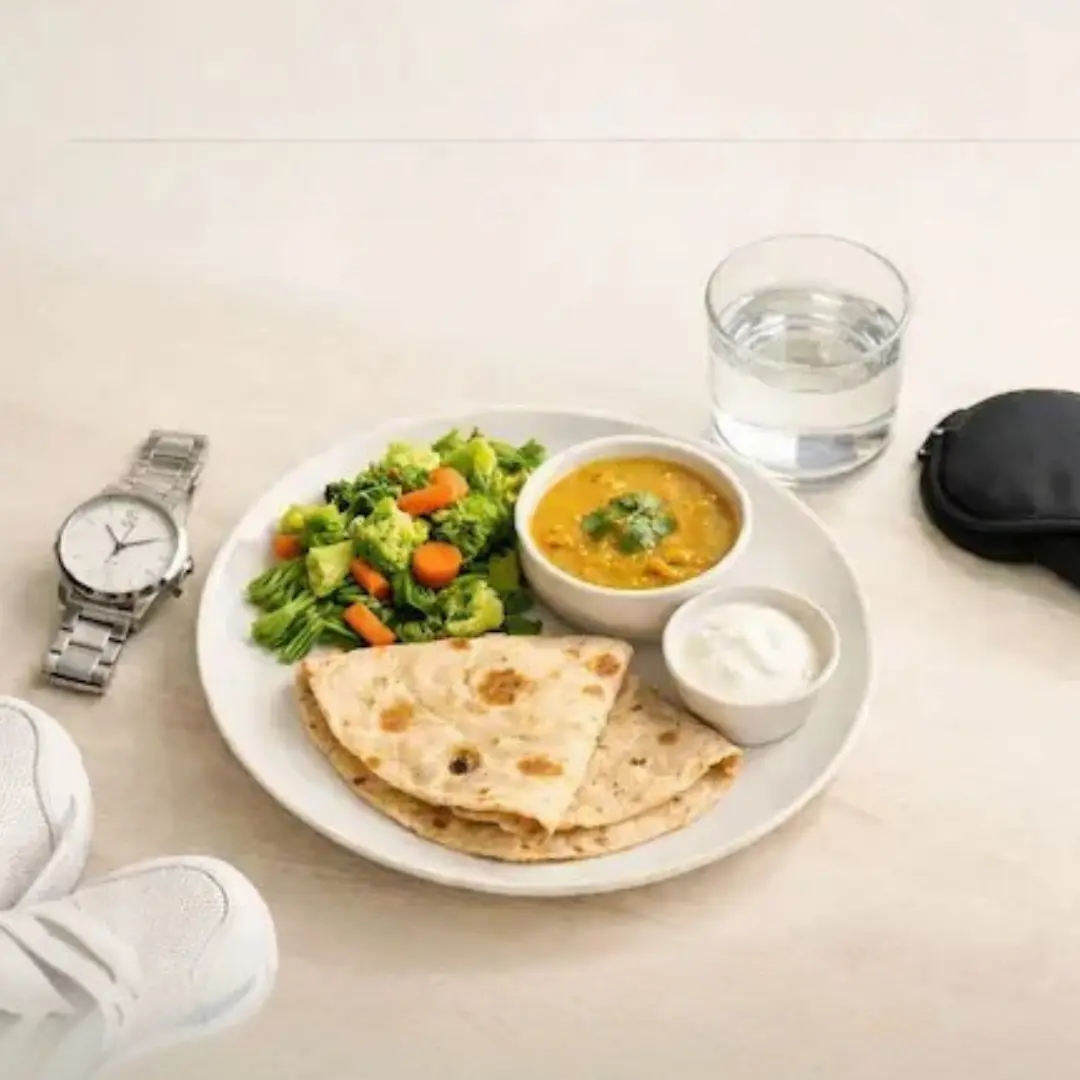
    1) Eating: Build a “low-chaos plate”

    Simple plate formula (Indian-friendly):

    • ½ plate: vegetables (sabzi/salad)
    • ¼ plate: protein (dal, eggs, fish/chicken, paneer, curd)
    • ¼ plate: carbs (roti/rice)
    • + small fat: ghee/mustard oil (improves satisfaction)

    Why it works:Fiber + protein usually slow digestion and glucose rise, helping steady energy and fewer cravings.
    Micro-rule: stop at 80% full—the last 20% often causes heaviness.


    2) Timing: Create a predictable food rhythm

    You don’t need extreme fasting—just regularity.

    Practical routine:

    • breakfast within 90 minutes of waking
    • lunch = largest meal
    • dinner = lighter + earlier (2–3 hours before sleep)
    • “kitchen closed” about 12 hours overnight (example: 8 PM → 8 AM)

    Why it works: Your gut and blood sugar respond better to consistency. Late heavy dinners commonly worsen acidity, bloating, sleep quality, and next-day cravings.


    3) Walking: Post-meal walking = digestive support

    No gym—just 10 minutes easy walking after meals (start with after dinner only).

    Why it works: After meals, a short walk helps muscles use glucose, which often reduces heaviness, sleepiness, and post-meal cravings.


    4) Sleep: The appetite-control switch

    If sleep is poor, hunger and cravings rise, and self-control feels harder.

    Simple sleep rules for 7 days:

    • keep dinner lighter + earlier
    • reduce screens 30 minutes before bed
    • fixed bedtime (even on weekends)

    Why it works: Better sleep steadies appetite signals and reduces “fast-energy” cravings (sweets, fried snacks, extra chai + biscuits).


    Two add-ons that make this easier

    • Hydration (steady, not extreme): sip water through the day for smoother digestion and bowel routine.
    • Eat slower: your fullness hormones need time—fast eating makes overeating easy.

    The 7-day challenge (real-life friendly)

    • Day 1: plate formula at 2 meals
    • Day 2: 12-hour kitchen closed
    • Day 3: 10–15 min walk after dinner
    • Day 4: veg/protein first, carbs last
    • Day 5: early light dinner (2–3 hrs before sleep)
    • Day 6: slow down one meal
    • Day 7: repeat your best 2 habits

    This works because you’re stacking habits, not changing everything at once.


    How you’ll know it’s working (even before weight changes)

    Look for:

    • less bloating/heaviness
    • fewer sudden cravings
    • steadier energy
    • better morning freshness
    • smoother bowel routine
    • improved sleep

    These are early signs your system is becoming digestively fit.


    Safety note

    If you have diabetes, GERD/acidity, IBS, fatty liver, or take glucose-lowering medicines, keep changes gradual—especially meal timing—and follow your clinician’s advice.

  • Expert Advice for Complete Recovery After Pancreatic Cancer – From PancreaCare By Advitya Healthcares

    Expert Advice for Complete Recovery After Pancreatic Cancer – From PancreaCare By Advitya Healthcares

    By PancreaCare By Advitya Healthcares — complete solutions for all pancreas problems in Ranchi, Jharkhand, Bokaro

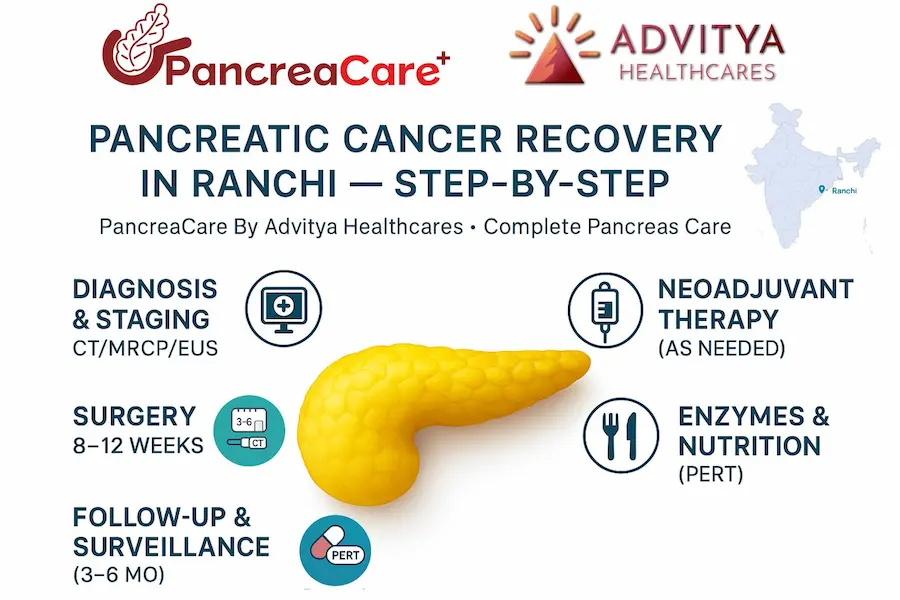
    If you or a loved one in Ranchi, Jharkhand, Bokaro is aiming for a full recovery after pancreatic cancer, a clear roadmap makes every decision easier. This guide explains the typical sequence—from diagnosis and surgery to nutrition, adjuvant therapy, rehab, and follow-up—so you know what to expect and how PancreaCare By Advitya Healthcares supports you locally in Ranchi, Jharkhand, Bokaro and nearby areas (Harmu, Doranda, Bariatu, Morabadi, Kanke, Namkum, Ratu Road, Hinoo).

    1) Staging and first visit in Ranchi, Jharkhand, Bokaro

    Recovery starts with accurate staging. At your first visit in Ranchi, Jharkhand, Bokaro, we review prior reports and arrange protocol-driven imaging: contrast CT, MRI/MRCP, and EUS when needed. Blood tests (including CA 19-9) help classify disease as resectable, borderline resectable, locally advanced, or metastatic. A multidisciplinary tumor board (surgery, medical oncology, radiation oncology, radiology, gastroenterology, pathology, dietetics) then decides the safest, most effective plan—surgery first, neoadjuvant therapy, or a clinical trial. Getting this step right avoids delays and unnecessary travel outside Ranchi, Jharkhand, Bokaro.

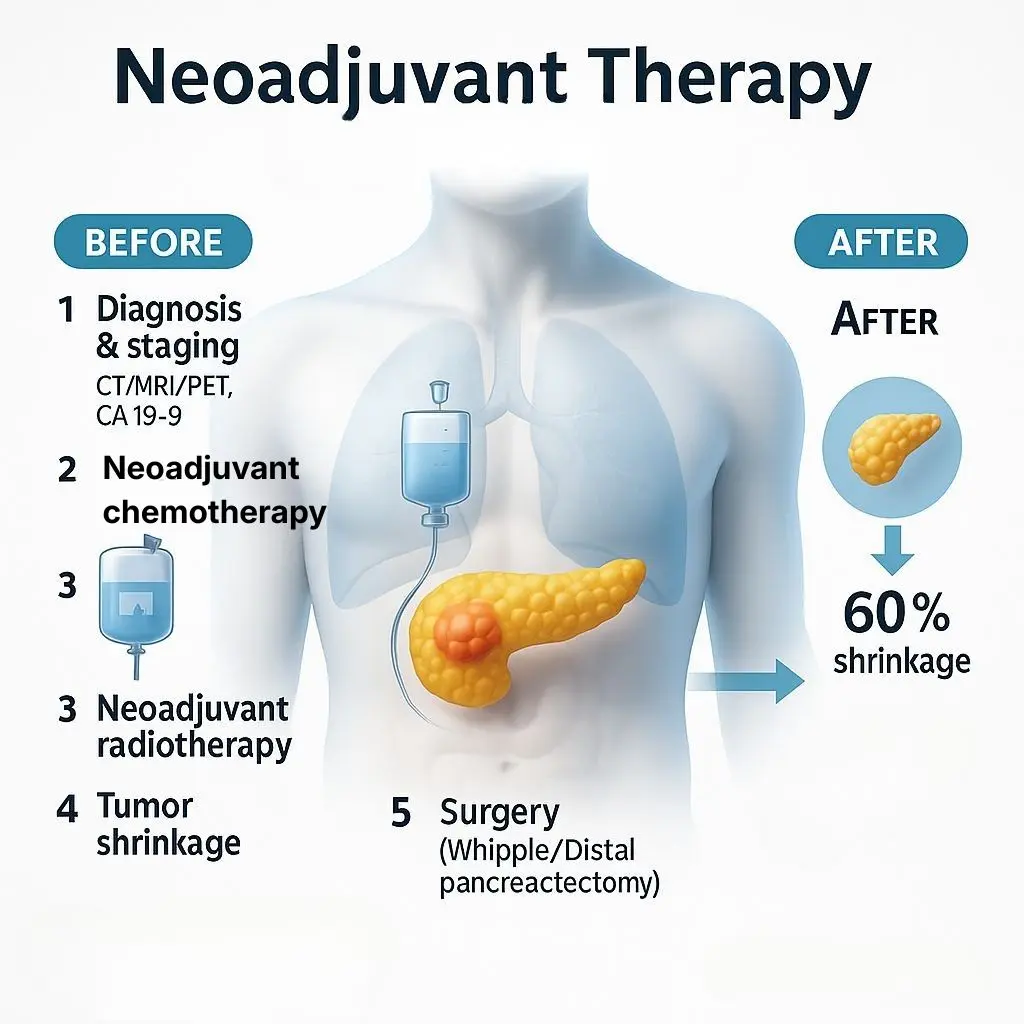
    2) Neoadjuvant therapy—when treatment comes before surgery

    Neoadjuvant Theraphy Image by PancreaCare By Advitya Healthcares
    Neoadjuvant Theraphy Image by PancreaCare

    If the tumor touches key blood vessels or the biology looks aggressive, chemotherapy (sometimes chemoradiation) before surgery can shrink disease, treat micrometastases early, and test responsiveness. We track progress with scans every 8–12 weeks and trend CA 19-9. Many Ranchi, Jharkhand, Bokaro patients appreciate that this phase can be coordinated close to home, with our team guiding side-effect control, enzyme timing, and nutrition.

    3) Curative surgery—your best chance at long-term control

    For operable cases, surgery offers the strongest chance of durable remission. The operation depends on location:

    • Whipple (pancreaticoduodenectomy) for head/uncinate tumors
    • Distal pancreatectomy (often with splenectomy) for body/tail tumors
    • Total pancreatectomy in selected situations

    What recovery looks like: monitored post-op care, early walking, breathing exercises, and a stepwise return to oral diet. Enhanced-Recovery-After-Surgery (ERAS) pathways—pain control, anti-clot measures, early feeding when safe—help reduce complications and speed discharge. If you live outside central Ranchi, Jharkhand, Bokaro, we coordinate logistics so follow-ups remain smooth.

    Nutrition, enzymes, and glucose after surgery

    Because surgery changes how bile and enzymes mix with food, some people develop pancreatic exocrine insufficiency (PEI)—oily stools, gas, bloating, and weight loss despite good intake. Pancreatic enzyme replacement therapy (PERT), taken with meals/snacks, restores digestion, improves energy, and supports weight gain. If a large portion of the pancreas is removed, blood sugar can fluctuate; an individualized diabetes plan (monitoring, diet, tablets/insulin) keeps it steady. Our Ranchi, Jharkhand, Bokaro dietitians design small, frequent, protein-rich meals, hydration goals, and vitamin support tailored to your tolerance.

    4) Adjuvant therapy—lowering the risk of recurrence

    After sufficient healing (commonly 6–8 weeks post-op), most patients are considered for adjuvant chemotherapy to reduce relapse risk. Regimens, duration, and start dates depend on stage, margins, nodes, and overall fitness. If you already received neoadjuvant therapy, your post-op plan is adjusted to complete the optimal total course. Our Ranchi, Jharkhand, Bokaro team focuses on timely starts, proactive side-effect management, and maintaining strength so you can finish treatment as planned.

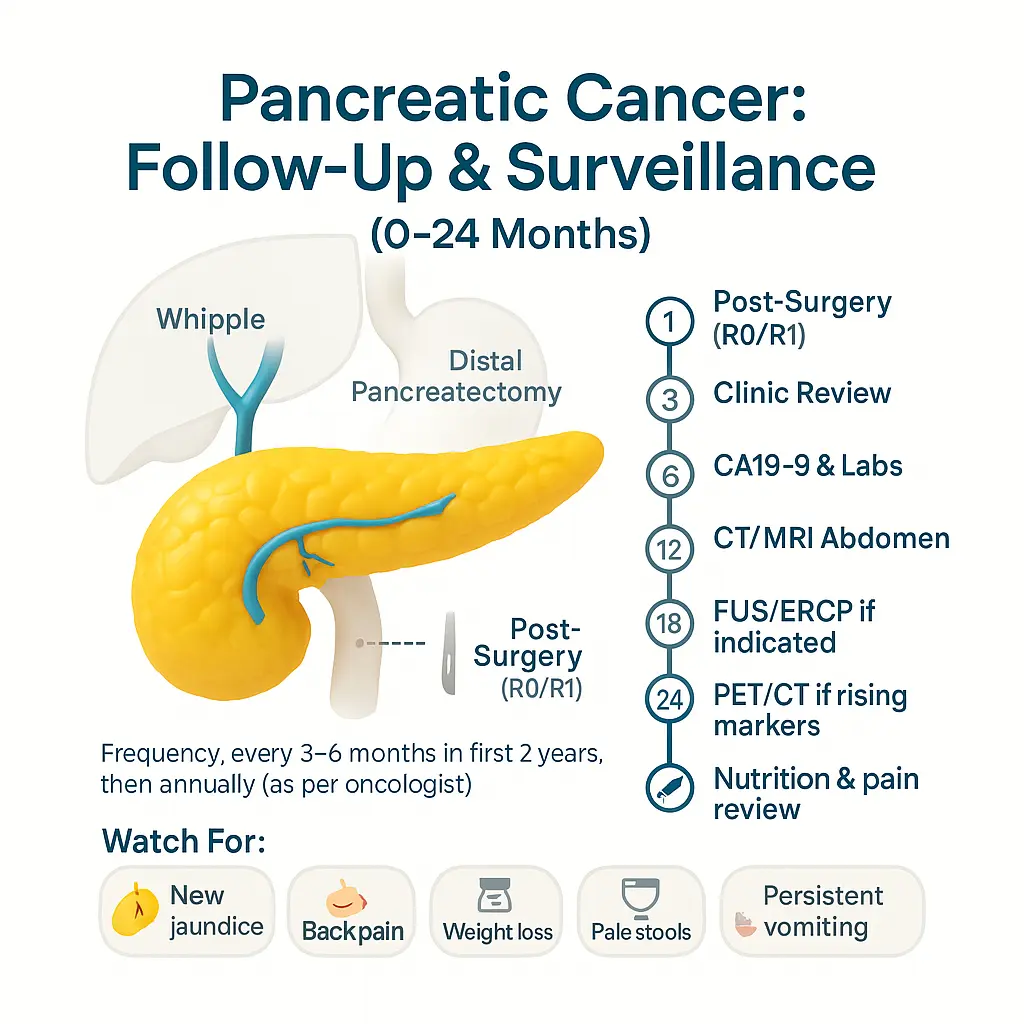
    5) Follow-up & surveillance

    A structured follow-up plan is your safety net:

    Pancreatic Cancer Follow-up and Surveiliance
    Pancreatic Cancer Follow-up and Surveiliance
    • Every 3–6 months for years 0–2: clinic review, labs, CA 19-9, and CT/MRI as indicated
    • Every 6–12 months for years 3–5 (or as advised)
      Between visits, call if you notice new jaundice, persistent back/abdominal pain, unexplained weight loss, greasy stools, or new-onset diabetes. We also provide survivorship guidance—vaccines if your spleen was removed, bone/muscle health, return-to-work planning, and mental-health support right here in Ranchi, Jharkhand, Bokaro.

    6) Day-to-day recovery: rehab, lifestyle, and support

    • Activity: Begin with short walks and breathing exercises; build to light resistance and aerobic sessions as cleared. Movement improves gut motility, sleep, and mood.
    • Diet: Protein-forward meals; trial fats carefully; time expandwith food. Consider lactose-free or low-fat options if symptomatic.
    • Tracking: Keep a simple diary (stools, weight, appetite, glucose). It helps your clinicians fine-tune enzymes, nutrition, and medicines.
    • Emotional health: Fatigue and “scanxiety” are common. Counseling, caregiver involvement, and peer groups in Ranchi, Jharkhand, Bokaro can make a real difference.


    Why choose PancreaCare By Advitya Healthcares in Ranchi, Jharkhand, Bokaro

    • End-to-end pancreas care in Ranchi, Jharkhand, Bokaro: from first consult to survivorship
    • Evidence-based diagnostics: CT/MRI/MRCP/EUS with standardized protocols
    • Advanced endoscopy & stenting for jaundice/obstruction
    • High-volume pancreatic surgery with ERAS pathways
    • Medical & radiation oncology tailored to your case
    • Nutrition, pain & diabetes care, and structured follow-up
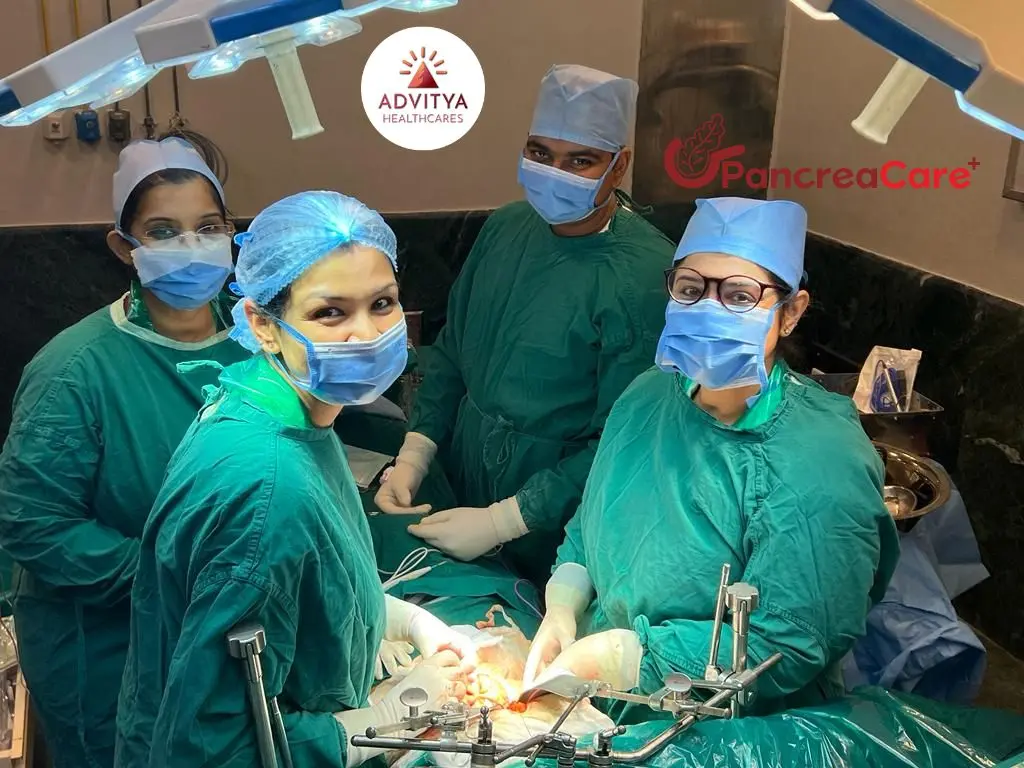
    Doctors Of PancreaCare By Healthcares
    Doctors at PancreaCare By Healthcares

    If you’re in Ranchi, Jharkhand, Bokaro and experiencing persistent upper abdominal/back pain, jaundice, greasy stools, weight loss, or new-onset diabetes, don’t delay—early evaluation changes outcomes.


    Call to action (Ranchi, Jharkhand, Bokaro)

    Book an in-person or video consult with PancreaCare By Advitya Healthcares in Ranchi, Jharkhand, Bokaro. We’ll map your sequence—diagnostics → treatment → rehab → surveillance—and walk with you through every milestone.


Seraphinite AcceleratorOptimized by Seraphinite Accelerator
Turns on site high speed to be attractive for people and search engines.