...

Author: Team Advitya

  • Endoscopy Explained: Is It Painful? Everything You Need to Know

    Advitya Healthcares · GI Surgery Team

    The anxiety is almost always worse than the procedure.

    An upper GI endoscopy takes 5–15 minutes, uses a numbing spray or light sedation, and gives your doctor a direct look at what blood tests can’t show. Here’s exactly what to expect.

    SCROLL

    Are you avoiding an endoscopy because you’re scared?

    When a doctor recommends an upper GI endoscopy, most people picture pain, surgery, or a complicated ordeal — one of the biggest reasons patients delay diagnosis, even with symptoms like persistent acidity, difficulty swallowing, stomach pain, or unexplained weight loss. In reality, most patients are surprised by how quick and manageable it is.

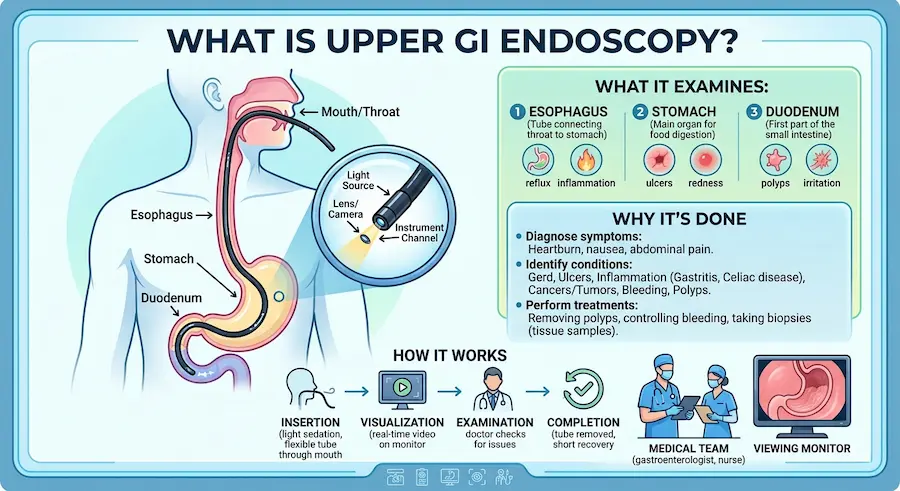
    01 · The path of the scope

    A thin, flexible camera — four stops, one clear picture.

    Mouth Esophagus Stomach Duodenum
    LIVE VIEW Mouth & Throat
    STOP 01

    Mouth & throat

    The scope enters gently after a throat-numbing spray, so the initial pressure most people worry about barely registers.

    Where sedation takes effect
    STOP 02

    Esophagus (food pipe)

    The camera checks the lining for narrowing, inflammation, or Barrett’s esophagus — changes that rarely show up on a scan.

    Detects: reflux damage, strictures
    STOP 03

    Stomach

    A full view of the stomach lining reveals gastritis, ulcers, polyps, or infections like H. pylori — and lets your doctor take a painless tissue sample if needed.

    Detects: ulcers, gastritis, H. pylori
    STOP 04

    Duodenum

    The first part of the small intestine is examined for early signs of inflammation or malabsorption issues before symptoms escalate.

    Detects: early-stage abnormalities
    Is it painful? No — most patients feel little more than pressure for a few moments.

    Most patients receive a throat-numbing spray and, in many cases, mild sedation to stay relaxed throughout. Any discomfort as the scope passes is brief. Many patients later say the anxiety beforehand was worse than the procedure itself.

    02 · What to actually expect

    Faster than most people imagine.

    5–15
    minutes for the procedure itself
    1–2
    hours total, including prep & recovery
    24
    hours to being back to your normal routine
    03 · Two roads from here

    The gap between noticing a symptom and doing something about it.

    The same starting point leads to very different outcomes, depending on what happens next.

    Path A · Wait it out

    Symptoms get self-medicated, not diagnosed

    • Acidity managed with over-the-counter tablets
    • Underlying ulcers or gastritis stay hidden
    • Simple issues have room to progress
    Path B · Get scoped early

    A 15-minute look, then a clear plan

    • Exact cause identified, not guessed at
    • Biopsy taken on the spot if needed, painlessly
    • Treatment starts while it’s still simple
    03 · Why it matters

    One look can catch what blood work and scans miss.

    Gastritis

    Inflammation of the stomach lining, often silent until it’s advanced.

    Peptic ulcers

    Sores that can bleed or worsen if left undiagnosed.

    Barrett’s esophagus

    A precancerous change linked to long-term acid reflux.

    Esophageal narrowing

    A structural cause of persistent swallowing difficulty.

    H. pylori infection

    A common, treatable cause of chronic stomach pain.

    Polyps & early cancers

    Caught earliest, these are the easiest to treat successfully.

    04 · Myth vs. fact

    Tap a card to flip it.

    Most of the fear around endoscopy comes from outdated ideas, not the actual procedure.

    Myth 01

    It’s extremely painful.

    Tap to see the fact →
    Fact

    Most patients feel little to no pain. Numbing spray and sedation make it comfortable.

    Myth 02

    It’s a surgery.

    Tap to see the fact →
    Fact

    It’s a non-surgical diagnostic procedure — no cuts, no stitches.

    Myth 03

    It takes hours.

    Tap to see the fact →
    Fact

    The examination itself usually takes just 5–15 minutes.

    Myth 04

    Recovery takes days.

    Tap to see the fact →
    Fact

    Most patients return to their normal routine within 24 hours.

    Myth 05

    Only older adults need one.

    Tap to see the fact →
    Fact

    Digestive disorders affect adults of any age — persistent symptoms shouldn’t be ignored.

    Myth 06

    A biopsy will hurt.

    Tap to see the fact →
    Fact

    Tissue sampling is painless — the stomach lining has no pain-sensitive nerve endings.

    05 · Before your visit

    How to prepare

    A few simple steps make for a smoother procedure and more accurate results.

    • 1
      Fast for 6–8 hours

      No food or drink in the window before your procedure.

    • 2
      Share your medication list

      Tell your doctor about all medications and allergies.

    • 3
      Flag blood thinners or diabetes

      These change how your prep is managed.

    • 4
      Arrange a ride home

      If sedation is planned, avoid driving for the rest of the day.

    06 · When to stop waiting

    Don’t dismiss these as “just gas.”

    Digestive diseases often begin with mild, easy-to-ignore symptoms. Left unchecked, ulcers, inflammation, or worse can progress. An early endoscopy catches problems while treatment is still simple.

    Talk to a GI specialist if you notice:

    • Persistent acidity despite medication
    • Difficulty swallowing
    • Frequent vomiting
    • Blood in vomit or black stools
    • Unexplained weight loss
    • Severe upper abdominal pain
    • Long-term indigestion
    • Family history of GI cancers
    Advitya Healthcares

    Better digestive health starts with one clear look.

    Our GI surgery team provides comprehensive evaluation and advanced diagnostics, including upper GI endoscopy, with accurate diagnosis and compassionate, personalized care.


    ADVITYA HEALTHCARES — GI SURGERY & DIGESTIVE HEALTH
  • 25th Boishakh Rabindra Jayanti: Celebrating Humanity, Healing & Hope with Advitya Healthcares

    25th Boishakh Rabindra Jayanti: Celebrating Humanity, Healing & Hope with Advitya Healthcares

    Every year, 25th Boishakh holds a special place in the heart of Bengal. It is the birth anniversary of Kobiguru Rabindranath Tagore, a poet, philosopher, musician, thinker, and one of the greatest cultural icons of India.

    Rabindra Jayanti is not only a celebration of literature and music. It is also a celebration of human values, compassion, emotional strength, and hope. His words continue to inspire generations to live with dignity, kindness, courage, and inner peace.

    At Advitya Healthcares, Baruipur, we believe that healthcare is not only about treating illness. It is also about understanding people, supporting families, reducing fear, and giving patients the confidence to recover with hope.

    Rabindranath Tagore’s Vision of Humanity

    Rabindranath Tagore always placed humanity at the center of his thoughts. His writings reflected love, freedom, empathy, nature, and the emotional journey of human life.

    In today’s fast-moving world, where stress, fear, and uncertainty often affect both physical and mental health, Tagore’s message reminds us of something very important:

    A human being needs care not only for the body, but also for the mind and soul.

    This belief connects deeply with the true purpose of healthcare.

    Healthcare with Compassion

    When a patient walks into a hospital, they may carry pain, fear, confusion, or anxiety. For the family, the journey can be equally emotional. Good healthcare should therefore provide more than diagnosis and treatment.

    It should provide:

    • Clear guidance
    • Emotional support
    • Trustworthy medical advice
    • A safe and respectful environment
    • Hope during difficult times

    At Advitya Healthcares, our approach is built around this human connection. We aim to make patients feel heard, respected, and cared for.

    Healing Is Also an Emotional Journey

    Rabindranath Tagore’s works often speak about hope, courage, and the strength of the human spirit. These values are extremely important in the journey of healing.

    Whether someone is recovering from surgery, undergoing treatment, managing a long-term illness, or caring for a loved one, emotional strength plays a major role. A positive environment, supportive doctors, caring nurses, and clear communication can make the healing process smoother and more reassuring.

    Healthcare becomes truly meaningful when science and compassion work together.

    Remembering Bengal’s Cultural Pride

    Rabindra Jayanti is celebrated through songs, poems, dance, drama, and cultural programs across Bengal and around the world. It brings people together and reminds us of our rich cultural roots.

    For Bengal, Tagore is not just a literary figure. He is an emotion. His creations continue to live in our homes, schools, festivals, memories, and everyday life.

    On this special occasion, Advitya Healthcares joins the people of Bengal in paying heartfelt tribute to Kobiguru Rabindranath Tagore.

    A Message from Advitya Healthcares

    On this 25th Boishakh, let us remember Tagore’s timeless values of compassion, courage, dignity, and hope.

    Let us care for each other more deeply.
    Let us listen with kindness.
    Let us support those who are suffering.
    Let us believe that healing begins when humanity comes first.

    At Advitya Healthcares, we remain committed to providing advanced healthcare with compassion, trust, and responsibility.

    Conclusion

    Rabindra Jayanti is a reminder that life becomes meaningful when knowledge, kindness, and service come together.

    As we celebrate the birth anniversary of Rabindranath Tagore, Advitya Healthcares honors his vision of humanity by continuing our mission to serve people with care, respect, and hope.

    শুভ রবীন্দ্র জয়ন্তী।
    Warm wishes from Advitya Healthcares.

  • Can Medicines Replace Surgery? And When They Cannot

    Can Medicines Replace Surgery? And When They Cannot

    Can Medicines Replace Surgery? And When They Cannot

    One of the most common questions patients ask is:

    “Can I just manage this with medicines?”

    It is a very natural question. Most people want to avoid surgery if possible. They hope tablets, injections, rest, diet control, or time will solve the problem. And in many cases, that hope is understandable — because medicines do help. They can reduce pain, control infection, settle inflammation, and improve symptoms.

    But there is one important truth patients need to understand:

    Not all diseases need medicines.
    Not all diseases need surgery.
    And mechanical problems often need mechanical solutions.

    That is the real heart of the decision.

    At Advitya Healthcares / PancreaCare, the goal is never to push surgery or overuse medicines. The goal is to understand the actual disease and choose the treatment that truly solves the problem.


    The right treatment depends on the type of problem

    Many patients think treatment has only two options:

    • take medicines, or
    • undergo surgery.

    But in reality, treatment decisions are more thoughtful than that.

    Some conditions improve very well with:

    • medicines,
    • lifestyle changes,
    • observation,
    • or supportive care.
    Some conditions need:

    • a planned procedure,
    • a surgical correction,
    • or removal of the root cause.

    And some conditions need both.

    That is why the real question is not:

    “Can medicines replace surgery?”

    The better question is:

    “What kind of problem is this — and what treatment actually fixes it?”


    Not all diseases need medicines

    This may sound surprising, but it is true.

    Some conditions are not mainly “medical” problems that tablets can fix. For example, if a patient has a structural or mechanical issue, medicines may reduce symptoms for a while, but they may not correct the defect itself.

    There are also situations where medicines are given only for temporary control:

    • to reduce pain,
    • to calm inflammation,
    • to stabilize the patient,
    • or to prepare them for the next step.

    So medicines are helpful — but not always curative.

    Sometimes they support treatment.
    Sometimes they delay symptoms.
    Sometimes they buy time.
    But they do not always solve the actual disease.


    Not all diseases need surgery

    This is equally important.

    Patients often fear that once they meet a surgeon, surgery will automatically be advised. But a good surgical opinion should never work like that.

    Not every pain needs an operation.
    Not every swelling needs removal.
    Not every digestive issue needs a procedure.

    Many patients can improve with:

    • medicines,
    • diet changes,
    • observation,
    • follow-up,
    • and time.

    If the problem is mild, reversible, non-progressive, or still safely manageable, surgery may not be necessary at all.

    That is why a responsible surgeon does not simply ask,
    “Can I operate?”
    A responsible surgeon asks,
    “Do you actually need surgery right now?”

    This difference is what builds trust.


    Mechanical problems often need mechanical solutions

    This is one of the simplest and most powerful ways to understand why surgery becomes necessary in some cases.

    If the problem is mechanical, then the solution often has to be mechanical too.

    For example:

    • a hernia is a weakness in the muscle wall — tablets cannot permanently close that gap
    • gallstones are physical stones — medicines may reduce symptoms, but they do not always remove the stone-related problem
    • appendicitis may begin with pain and inflammation, but if the appendix is badly diseased, it may need removal
    • bowel obstruction is a blockage — medicines cannot always open a physically blocked passage
    • certain tumours or masses may need removal because they are structurally present in the body

    This is why many surgical diseases are not simply about pain. They are about anatomy, blockage, pressure, trapping, or physical damage.

    And when the problem is physical, the answer may need to be physical too.

    Mechanical problems often need mechanical solutions.

    That does not mean every patient needs surgery immediately.
    It means medicines alone may not be enough to truly correct the cause.


    When medicines help — but do not replace surgery

    Medicines are valuable. In many cases, they are the first step.

    They may:

    • reduce inflammation,
    • control pain,
    • treat infection,
    • settle acidity,
    • improve swelling,
    • or make a patient more comfortable.

    But there are many situations where medicines only manage the symptoms, while the main problem remains.

    That is when patients feel temporary relief and assume the disease is getting better — when in fact, it may still be there underneath.

    For example:

    • the pain improves, but the hernia remains
    • the stomach settles, but the stones remain
    • the swelling reduces, but the obstruction risk remains
    • the discomfort becomes less, but the tumour or mass remains

    This is where many patients become confused.

    They think:

    “If I am feeling better, maybe I don’t need anything more.”

    But feeling better and being cured are not always the same thing.


    Why patients often keep trying medicines for too long

    2 (1)

    Patients do not delay for foolish reasons. They delay for human reasons.

    Common reasons include:

    • fear of surgery
    • fear of anaesthesia
    • fear of pain
    • fear of scars
    • worry about recovery time
    • cost concerns
    • stories from others
    • temporary relief from medicines

    That last point is especially important.

    Temporary relief can create a false sense of safety. A patient may feel better for a few days or weeks and believe the problem is resolving. But if the root cause is still present, the condition may slowly worsen in the background.

    This is how some patients move from a manageable condition to a more serious or emergency situation.


    So when can medicines not replace surgery?

    5 (1)

    Medicines often cannot replace surgery when:

    1. The disease keeps coming back

    If the same pain, swelling, or attack returns repeatedly, the root problem is probably still there.

    2. There is a structural or mechanical defect

    If something is torn, trapped, blocked, or physically abnormal, tablets usually cannot repair it permanently.

    3. The risk of complications is increasing

    If delay can lead to obstruction, infection, rupture, strangulation, or worsening disease, surgery may become the safer choice.

    4. Quality of life is getting worse

    If a patient is living around pain, restrictions, fear, or repeated attacks, long-term symptom control may no longer be enough.

    5. A suspicious growth or tumour is involved

    Medicines may support treatment, but they cannot replace removal or definitive treatment when a mass needs proper surgical management.


    Does surgery mean medicines have failed?

    3 (1)

    Not at all.

    This is a very important mindset shift.

    Surgery is not a failure.
    It is not proof that medicines were “useless.”
    And it is not something that automatically means the disease became worse because treatment was delayed.

    In many cases, medicines were never meant to cure the structural problem permanently. They were meant to:

    • control symptoms,
    • stabilize the patient,
    • buy time,
    • reduce inflammation,
    • or prepare the patient safely for the next step.

    So surgery is often not the opposite of medicines.
    Sometimes it is simply the next correct step.


    What a good surgical consultation should really explain

    4 (1)

    A good consultation should never just say:

    “You need surgery.”

    It should explain clearly:

    • what the actual diagnosis is
    • whether medicines can help
    • whether medicines can solve the disease completely
    • what happens if treatment is delayed
    • what the risks are
    • and why surgery is or is not being advised

    A patient deserves clarity, not pressure.

    At PancreaCare By Advitya Healthcares , the better way to look at the question is this:

    not “medicines versus surgery”
    but “what is the safest and most effective treatment for this condition at this stage?”

    That is how better decisions are made.


    Final takeaway

    When patients ask:

    “Can medicines replace surgery?”

    the honest answer is:

    Sometimes yes. Sometimes no.

    Because:

    • not all diseases need medicines
    • not all diseases need surgery
    • mechanical problems often need mechanical solutions

    The right treatment is not about choosing the easier option.
    It is about choosing the option that actually matches the disease.

    Sometimes that means observation.
    Sometimes that means medicines.
    Sometimes that means surgery.
    And sometimes it means a combination of all three.

    The smartest choice is not the one that avoids surgery at any cost.
    It is the one that gives the patient the best chance of safety, relief, recovery, and long-term health.

  • World Hand Hygiene Day: The Small Habit That Protects Every Patient

    World Hand Hygiene Day: The Small Habit That Protects Every Patient

    Advitya Healthcares, Baruipur

    We don’t always think about it, but something as simple as washing your hands can make a huge difference—especially in a hospital.

    That’s exactly what World Hand Hygiene Day (May 5) is about. It’s a reminder that clean hands aren’t just a routine—they’re one of the most important ways to keep patients safe.

    At Advitya Healthcares, Baruipur, this isn’t just something we talk about once a year. It’s part of how we work every single day.

    Purell Sued Over Claims Of Hand Sanitizer's Effectiveness advitya hospital,baruipur kolkata

    Why Hand Hygiene Matters in Hospitals

    When someone visits a hospital, they’re already dealing with health issues. The last thing they should worry about is picking up an infection during treatment.

    This is where hand hygiene plays a big role.

    Clean hands help:

    • Stop the spread of infections
    • Protect patients during treatment and recovery
    • Keep the hospital environment safe for everyone

    It may sound basic, but in healthcare, this basic step saves lives.

    Hygience maintain Advitya healthcares hospita baruipur

    How We Maintain Hygiene at Advitya Healthcares

    As a trusted hospital in Baruipur, we take hygiene seriously—not just as a rule, but as a responsibility.

    Here’s what we focus on daily:

    • Regular hand sanitization for doctors, nurses, and staff
    • Clean and disinfected patient areas
    • Following proper infection control practices
    • Maintaining a safe environment for every patient

    For us, being a reliable Baruipur hospital means making sure every patient feels safe the moment they walk in.

    Advitya healthcares hospital staff photo

    Simple Habits You Can Follow

    You don’t need medical training to protect yourself. A few simple habits can go a long way:

    • Wash your hands properly with soap
    • Use sanitizer when you’re outside
    • Clean your hands before eating
    • Avoid touching your face frequently

    These small steps can protect you and your family from many infections.

    A Message for Baruipur,Kolkata Community

    On this World Hand Hygiene Day, we just want to remind everyone in Baruipur and nearby Kolkata areas—don’t ignore the basics.

    At Advitya Healthcares, BaruipurKolkata, we are committed to providing clean, safe, and dependable healthcare you can trust.

    📞 Get in Touch

    If you’re looking for a hospital in Baruipur that focuses on hygiene and patient safety, we’re here to help.

    🌐 www.advityahealthcares.com
    📞 +91-9211221552 / +91-9211221553
    📍 Baruipur, Kolkata

  • What Patients Fear Most Before Surgery — and What Actually Happens

    What Patients Fear Most Before Surgery — and What Actually Happens

    For many patients and families, the word “surgery” itself creates fear.

    Sometimes the fear starts the moment the doctor says,
    “You may need an operation.”

    And from that point, the mind begins to race:

    • Will I be okay?
    • Will it be very painful?
    • What if I don’t wake up after anaesthesia?
    • What if something goes wrong?
    • How long will recovery take?
    • Can’t I avoid surgery somehow?

    These fears are real. They are common. And most importantly — they are completely normal.

    At Advitya Healthcares and PancreaCare, we meet patients every day who are not only worried about the disease, but also deeply anxious about the surgery itself. A good surgical team understands this. Surgery is not just about the operation — it is also about preparing the patient emotionally, answering questions honestly, and guiding the family through every stage of care.
    Here are some of the most common fears patients have before surgery — and what actually happens in real life.


    1. Fear: “What if I don’t wake up after anaesthesia?”

    2

    This is one of the most common and most deeply personal fears.

    Many patients are not actually afraid of the surgery itself — they are afraid of losing control once they are taken into the operation theatre.
    What actually happens:

    Before surgery, the patient is carefully evaluated. The anaesthesia team checks:

    • overall health,
    • blood pressure, sugar, heart condition,
    • previous illnesses,
    • current medicines,
    • allergies, and
    • test reports.

    Anaesthesia is not given casually. It is planned according to the patient’s age, medical condition, and type of surgery.

    During the operation, the patient is continuously monitored by trained professionals. Heart rate, oxygen level, blood pressure, breathing and other vital signs are watched throughout the procedure.
    No surgery is ever called “zero risk,” but the idea that patients are simply “put to sleep and left” is not true. Anaesthesia today is a highly monitored and carefully managed part of modern surgery.

    2. Fear: “Will the surgery be very painful?”

    3

    Pain is one of the first things patients imagine when they hear the word operation.

    Some imagine unbearable pain for days. Others fear they will not be able to move, sit, or sleep after surgery.

    What actually happens:

    Yes, surgery can cause pain — but modern pain control is far better than what many people expect.

    Today, surgical teams plan pain relief in advance. This may include:

    • pain medicines during and after surgery,
    • injections or drips in the early recovery period,
    • tablets once the patient starts improving,
    • and in many cases, laparoscopic surgery, which uses smaller cuts and usually causes less pain than open surgery.

    The truth is, most patients describe the pain after surgery as manageable, not unbearable — especially when treatment is timely and recovery instructions are followed properly.


    3. Fear: “What if something goes wrong during surgery?”

    4

    This fear often comes from hearing stories from others, reading random things online, or simply imagining the worst.

    Patients may worry about bleeding, complications, infection, or “something unexpected” happening inside the OT.

    What actually happens:

    Every surgery carries some risk, but good surgery is all about preparation, planning, and safety.

    Before the operation, the team tries to reduce risk by:

    • doing the right investigations,
    • understanding the disease clearly,
    • checking whether the patient is fit for surgery,
    • using sterile operation theatre protocols,
    • and preparing for possible complications in advance.

    Experienced surgical teams are trained not only to perform operations, but also to prevent, identify, and manage complications if they arise.

    The most important thing for patients to understand is this:

    Surgery is not advised casually.
    When a good surgeon recommends an operation, it is because they believe the benefit is greater than the risk.


    4. Fear: “Will I get a big cut or permanent scar?”

    8

    For many patients — especially younger patients — the thought of a large scar adds to the anxiety.

    Some feel that surgery means a major cut, long bed rest, and a visible reminder for life.

    What actually happens:

    Not every surgery requires a large incision.

    Today, many abdominal and GI procedures can be done with laparoscopic techniques, where the surgeon operates using small cuts, a c[amera, and special instruments.

    In many cases, this means:

    • smaller scars,
    • less pain,
    • less blood loss,
    • shorter hospital stay,
    • and faster return to daily life.

    Of course, not every case is suitable for laparoscopy. Some patients still need open surgery depending on the disease, severity, previous operations, or complications. But surgical planning today is far more advanced than many people realise.


    5. Fear: “How long will recovery take?”

    5

    Patients are often less worried about the operation itself and more worried about life after it.

    They wonder:

    • When can I walk?
    • When can I eat normally?
    • When can I return to work?
    • Will I be dependent on others?

    What actually happens:

    Recovery depends on:

    • the type of surgery,
    • whether it was laparoscopic or open,
    • the patient’s age and fitness,
    • and how smoothly healing progresses.

    But one thing often surprises patients:
    many begin moving, walking, and recovering earlier than they expected.

    In many laparoscopic procedures, patients can often start gentle movement early, eat gradually, and go back to light routine much sooner than they imagined.

    Recovery is not always instant — but it is usually a step-by-step process, not a long period of helplessness.


    6. Fear: “Will my life become different permanently?”

    6

    This fear is especially common in patients facing major GI surgery, cancer surgery, or operations involving the stomach, intestine, pancreas or liver.

    Some worry that they will never feel normal again.

    What actually happens:

    The goal of surgery is usually not to “reduce” life — it is to protect it, improve it, or save it.

    In some cases, surgery is done to:

    • remove a painful or dangerous disease,
    • prevent repeated attacks or complications,
    • treat a tumour early,
    • or give the best chance of long-term recovery.

    Yes, some surgeries require lifestyle changes, temporary dietary adjustments, or a recovery phase that needs patience. But in many cases, patients feel better after surgery because the original problem — pain, obstruction, inflammation, bleeding, or cancer risk — has finally been addressed.


    7. Fear: “Can’t I just manage with medicines?”

    7

    This is a very natural question.

    Many patients hope that one more course of medicine, one more injection, or a little more waiting may help them avoid surgery altogether.

    What actually happens:

    Sometimes medicines are enough. Sometimes observation is safe. But not always.

    There are many situations where delaying surgery can make the condition:

    • more painful,
    • more complicated,
    • harder to treat,
    • or even dangerous.

    For example, repeated gallbladder attacks, untreated hernia complications, recurrent appendicitis, worsening obstruction, or some tumours may become more difficult if surgery is delayed too long.

    A responsible surgeon does not recommend surgery just for the sake of operating. Surgery is advised when the team believes it is the right treatment at the right time.


    8. Fear: “What if I panic before surgery?”

    4

    This is more common than people admit.

    Patients may feel nervous the night before surgery, unable to sleep, emotional, or suddenly unsure.

    What actually happens:

    This does not mean the patient is weak. It means they are human.

    Good hospitals and caring doctors understand that reassurance matters. Talking openly with your surgeon, anaesthesia team, or family can help reduce a lot of fear.

    Often, what patients need most is not just another test report — it is a clear explanation:

    • why the surgery is needed,
    • what will happen step by step,
    • what recovery may look like,
    • and what support will be available afterward.

    That clarity itself reduces anxiety.


    Final Thoughts: Fear Is Normal, But It Should Not Stop the Right Treatment

    Before surgery, fear is natural. Almost every patient feels it in some form.

    But fear becomes lighter when patients understand the truth:

    • Surgery is carefully planned.
    • Anaesthesia is monitored.
    • Pain is managed.
    • Recovery is guided.
    • And you are not facing it alone.

    At Advitya Healthcares and PancreaCare, we believe the best surgical care is not only about technical skill — it is also about trust, communication, safety, and support.

    If you or your loved one has been advised surgery, do not suffer silently with unanswered questions. Ask. Understand. Discuss. A good team will always help you feel informed, prepared, and cared for. Because when patients know what actually happens, surgery feels less like fear — and more like a step toward healing.

  • How Long Does Recovery Take After Laparoscopic Surgery?

    How Long Does Recovery Take After Laparoscopic Surgery?

    When patients hear the words “laparoscopic surgery” or “keyhole surgery,” one of the first questions they ask is:
    “Doctor, how long will recovery take?”

    It is a very practical question — because recovery is not only about stitches healing. It is also about when you can walk comfortably, eat normally, return to work, lift weights, drive, and resume daily life. In general, laparoscopic surgery tends to cause less pain, shorter hospital stay, and faster recovery than open surgery because it uses a few small cuts instead of one large incision.

    At Advitya Healthcares, we explain recovery in a simple way:
    Laparoscopic surgery usually helps patients recover faster — but there is no one fixed timeline for everyone. Recovery depends on the operation performed, its complexity, whether it remained laparoscopic or required conversion to open surgery, and the patient’s age, fitness, and overall health.

    The Short Answer

    For many patients, discharge happens the same day or the next day, and mild soreness, bloating, tiredness, and shoulder pain can be expected for a few days. If the laparoscopy was mainly diagnostic, recovery may be around 1 week, though return to work can vary; most return to work within 2 weeks after routine laparoscopic surgery. If it were a therapeutic laparoscopic surgery or an advanced laparoscopic surgery, full recovery can take 4 to 6 weeks, even though many patients feel much better much earlier.

    So the real answer is this:
    You may start feeling better within days, but full recovery is often measured in weeks, not hours. And most importantly, it depends on the patient’s mindset and will to get better.

    What Happens Immediately After Surgery?

    After laparoscopic surgery, patients usually spend about one hour in the recovery room while the team monitors them as the anaesthesia wears off. Many people go home after a few hours, while others stay overnight, depending on the procedure and how they are feeling. Common early symptoms include sleepiness, sore throat, abdominal discomfort, bloating, bruising around the wounds, nausea, and shoulder pain caused by the gas used during surgery.

    That shoulder pain surprises many people, but it is common after a laparoscopy. It happens because the gas used during surgery can irritate nerves inside the abdomen, and that irritation may be felt in the shoulder area for a short time.

    A Practical Recovery Timeline

    ChatGPT Image Apr 22, 2026, 01 48 27 PM

    First 24 to 72 hours

    This is usually the phase of rest, pain control, hydration, and gentle movement. You may feel tired, slow, and slightly uncomfortable. Mild abdominal pain and bloating are common. Most guidance recommends moving around as much as you comfortably can, because gentle walking helps circulation and recovery.

    First week

    By this stage, many patients are walking around the house more easily and eating more normally, though appetite and energy may still not be fully back. Wound care matters here — keep the incisions clean and dry and follow the exact bathing instructions your surgeon gives you.

    Weeks 2 to 4

    This is often the period when patients start feeling “more like themselves.” Some laparoscopic procedures allow a return to light routine activities earlier, and procedure-specific guidance, such as SAGES’ patient information for laparoscopic anti-reflux surgery, says light activity can begin immediately, while normal activities often return around 4 weeks, with heavy lifting still restricted.

    Weeks 4 to 8

    This is the range in which full recovery often happens after laparoscopic surgery, especially if the operation was more than a simple diagnostic procedure. Even when wounds look small from the outside, the internal tissues still need time to heal properly. That is why patients may look fine before they are truly ready for full physical strain.

    What Slows Recovery Down?

    Recovery may take longer if:

    • The surgery was complex or lengthy,
    • The procedure had to be converted to open surgery,
    • The patient has other health conditions,
    • The job involves heavy lifting or strenuous activity,
    • Pain, constipation, poor eating, or infection interfere with healing.

    This is why two patients who both had “laparoscopic surgery” may recover at very different speeds. A simple diagnostic laparoscopy and a major laparoscopic operation are not the same thing.

    What Should Patients Do During Recovery?

    In most cases, good recovery habits are simple:

    ChatGPT Image Apr 22, 2026, 01 51 11 PM
    • walk gently and regularly,
    • drink fluids and eat a healthy diet,
    • keep the wound dry as advised,
    • avoid smoking,
    • avoid heavy lifting and straining until your surgeon clears you.

    The “small cut” approach should not make patients overconfident. A laparoscopic wound may look tiny, but the body has still gone through surgery. Doing too much too early can increase pain and slow healing.

    When Can You Return to Work?

    This depends on both the operation and the type of work you do. After a diagnostic laparoscopy, recovery to work may take 1-2 weeks, while recovery after laparoscopic surgery may take 6 to 8 weeks overall. A desk-job patient may return sooner than someone whose work involves lifting, bending, travel, or long hours on their feet.

    ChatGPT Image Apr 22, 2026, 01 56 16 PM

    At Advitya Healthcares, we usually advise patients not to compare themselves with friends or relatives. The better question is not, “How fast can I get back?” but “How safely can I recover?”

    What Symptoms Are Normal — and What Are Not?

    Some symptoms are commonly expected after laparoscopy:
    mild pain, tiredness, bloating, shoulder discomfort, bruising around the wounds, and temporary nausea.

    ChatGPT Image Apr 22, 2026, 02 01 37 PM

    But certain symptoms need urgent medical attention, including:

    • fever above about 38°C,
    • worsening abdominal pain,
    • severe or ongoing vomiting,
    • redness, bleeding, pus, or warmth around the wound,
    • trouble breathing or chest pain,
    • inability to eat or drink,
    • inability to pass gas or have a bowel movement,
    • swelling or redness in one leg.

    These symptoms may indicate infection, bowel issues, clotting problems, or other complications and should never be ignored. Serious complications after laparoscopy are uncommon, but they can include bleeding, infection, organ injury, and blood clots.

    Final Word

    So, how long does recovery take after laparoscopic surgery?

    The most honest answer is:
    Many patients recover faster than they would after open surgery, but full recovery still takes time. You may go home the same day or the next day, feel significantly better in days to a couple of weeks, and still need several weeks before your body is fully healed.

    At Advitya Healthcares, we encourage patients to think of recovery not as a race, but as a planned process. Good surgery matters — but good recovery matters just as much. If you follow your surgeon’s instructions, avoid overexertion, and report warning signs early, laparoscopic recovery is usually smoother, safer, and quicker than many people expect.

  • Endoscopy vs Colonoscopy – What Test Do You Actually Need? (Complete Guide)            

    Endoscopy vs Colonoscopy – What Test Do You Actually Need? (Complete Guide)            

    PancreaCare by Advitya Healthcares

    🏥 Introduction

    Digestive problems like acidity, bloating, stomach pain, or blood in stool are often ignored — until they become serious.

    At PancreaCare by Advitya Healthcares, we believe:
    👉 “Early diagnosis saves lives — especially in gastrointestinal diseases.”

    If your doctor has suggested endoscopy or colonoscopy, this guide will help you understand:

    • Which test you need
    • Why it matters
    • When not to delay

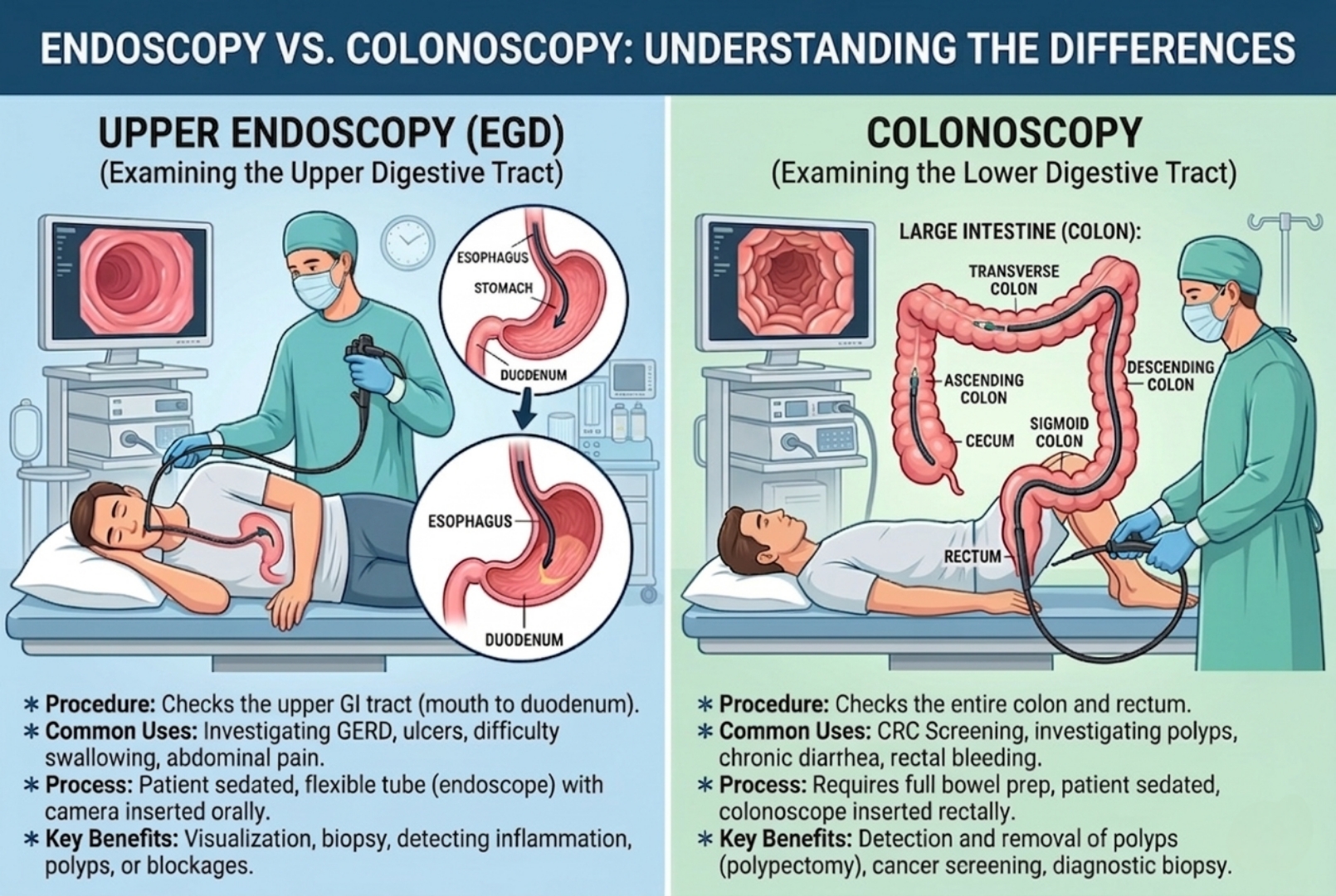
    🔍 What is Endoscopy?

    Endoscopy (Upper GI Endoscopy) is a diagnostic procedure used to examine the upper digestive tract, including:

    • Esophagus
    • Stomach
    • Duodenum
    1775566116313

    At PancreaCare by Advitya Healthcares, we use advanced imaging systems to ensure accurate and safe diagnosis.


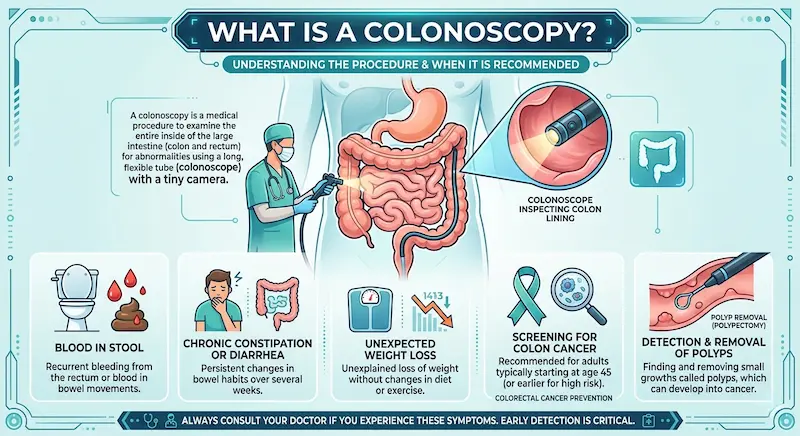
    🔍 What is Colonoscopy?

    Colonoscopy is used to examine the large intestine (colon and rectum) and detect early signs of disease.

    1775566348654

    At PancreaCare by Advitya Healthcares, colonoscopy is performed with modern sedation techniques, ensuring patient comfort.


    ⚖️ Endoscopy vs Colonoscopy – Key Differences

    FeatureEndoscopyColonoscopy
    Area CheckedUpper digestive tractLarge intestine
    EntryMouthRectum
    Common UseAcidity, ulcersBowel issues, cancer screening
    Duration10–15 mins20–30 mins
    ComfortMild discomfortSedation (painless)

    🚨 Which Test Do YOU Need?

    At PancreaCare by Advitya Healthcares, we follow a symptom-based evaluation approach:

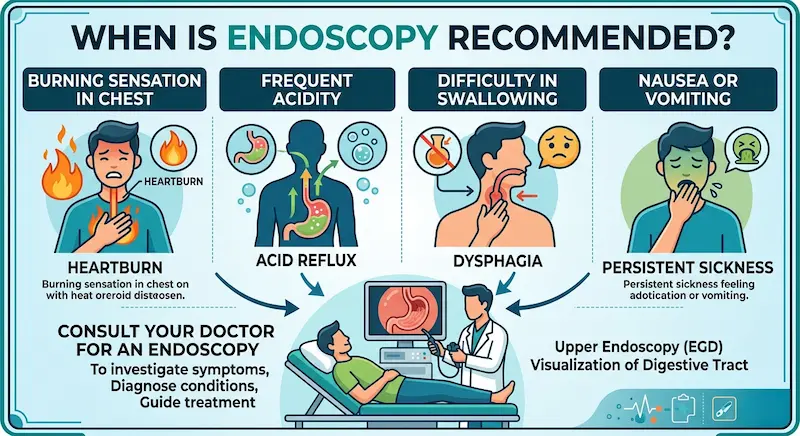
    👉 Endoscopy is recommended if you have:

    • Burning sensation in chest
    • Frequent acidity
    • Difficulty swallowing
    • Nausea or vomiting
    1775566598753

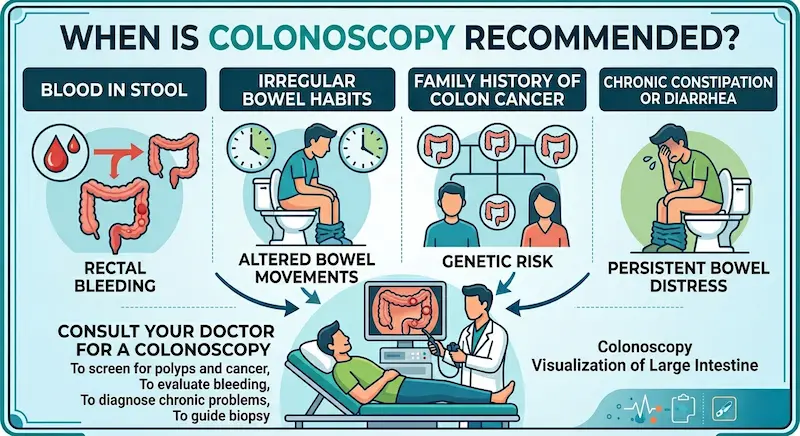
    👉 Colonoscopy is recommended if you have:

    • Blood in stool
    • Irregular bowel habits
    • Chronic constipation or diarrhea
    • Family history of colon cancer
    1775566697584

    ⚠️ Important:
    Self-diagnosis can be risky. A proper consultation ensures the right test at the right time.


    💰 Cost of Endoscopy & Colonoscopy in Kolkata

    At PancreaCare by Advitya Healthcares, we maintain transparent and affordable pricing:

    • Endoscopy
    • Colonoscopy

    👉 Final cost may vary depending on:

    • Sedation
    • Biopsy
    • Clinical condition

    😟 Is the Procedure Painful?

    At PancreaCare, patient comfort is a priority:

    • Endoscopy: Minimal discomfort, quick procedure
    • Colonoscopy: Performed under sedation → almost painless

    Most patients are discharged on the same day.


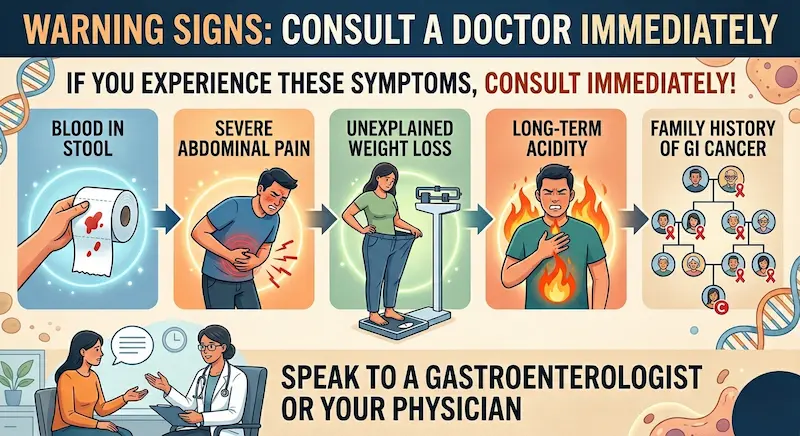
    ⚠️ When Should You NOT Delay Testing?

    Consult immediately if you experience:

    • Blood in stool
    • Severe abdominal pain
    • Unexplained weight loss
    • Long-term acidity
    • Family history of GI cancer
    1775567009063

    👉 At PancreaCare by Advitya Healthcares, early detection helps prevent serious conditions including cancer


    🏥 Why Choose PancreaCare by Advitya Healthcares?

    • Specialized GI & Pancreato-Biliary Care Unit
    • Advanced Endoscopy & Colonoscopy
    • Expert GI Surgeons & Oncologists
    • Modern technology with patient-first approach
    • Located in Baruipur – Accessible from Kolkata

    👉 “Advanced GI care should not depend on distance — we bring it closer to you.”


    📞 Book Your Consultation

    If you are facing digestive issues, don’t ignore early signs.

    👉 Consult GI Experts at PancreaCare today

    📍 Baruipur, Kolkata
    📲 Call / WhatsApp Now
    🌐 https://advityahealthcares.com


    ❓ FAQs

    Q1. Which test is safer?
    Both are safe when performed by trained specialists.

    Q2. Can both tests be done together?
    Yes, if clinically required.

    Q3. Do I need fasting?
    Yes, fasting is usually required.

    Q4. How long does recovery take?
    A few hours in most cases.

  • Your guide to Pancreatic Cancer, Everything You Need to Know

    Your guide to Pancreatic Cancer, Everything You Need to Know

    PancreaCare by
    Advitya Healthcares

    Covering: Oesophageal  |  Stomach  |  Liver  |  Gallbladder  |  Bile Duct
    Pancreatic  |  Small Bowel  |  Colon  |  Rectal  |  Anal  |  GIST  |  NETs

    Warning Signs: When to See a Doctor

    Red Flag Symptoms — Never Ignore These    
    Unexplained weight loss or loss of appetite   Difficulty swallowing or pain when swallowing   Persistent indigestion, heartburn, or abdominal pain   Vomiting blood, or vomit that looks like coffee grounds   Black, tarry, or bloody stools   New jaundice — yellowing of skin or whites of the eyes   Dark urine and pale/clay-coloured stools   A change in bowel habits lasting more than 3 weeks   Unexplained new anaemia (low blood count)   New-onset diabetes after age 50, especially with weight loss   A lump or swelling in the abdomen   If you have any of these — please make an appointment with your GP today. Early detection genuinely saves lives.

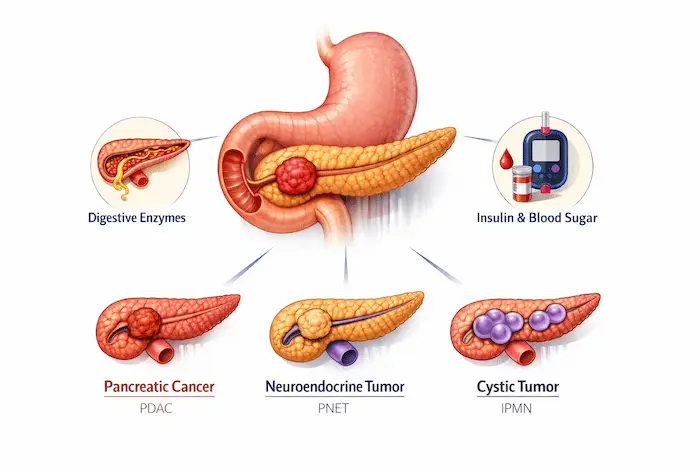
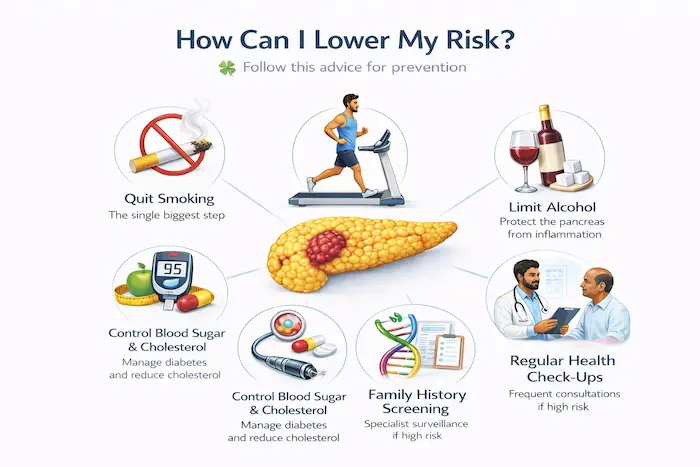
    Pancreatic Cancer

    What Is It?

    advitya healthcares

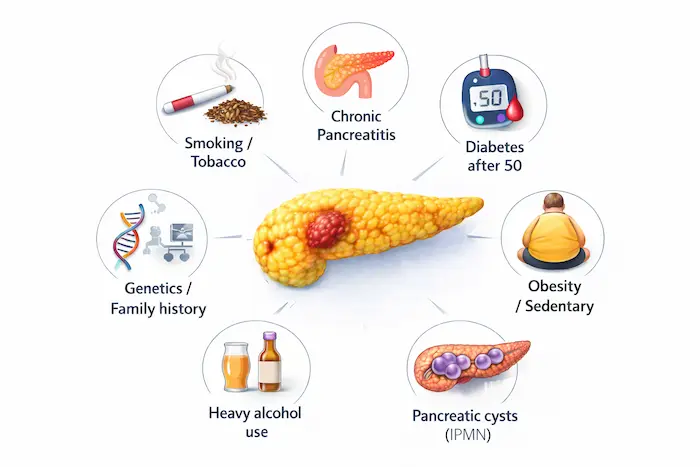
    Why Does It Happen? (Causes & Risk Factors)

    advitya healthcares

    How Can I Lower My Risk?

    advitya healthcares

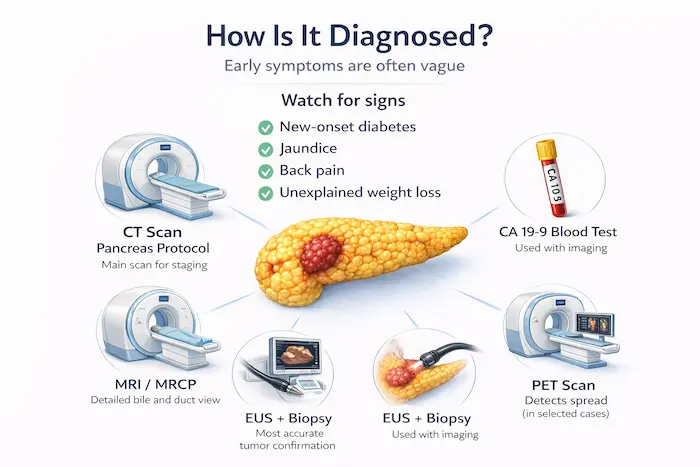
    How Is It Diagnosed?

    advitya healthcares

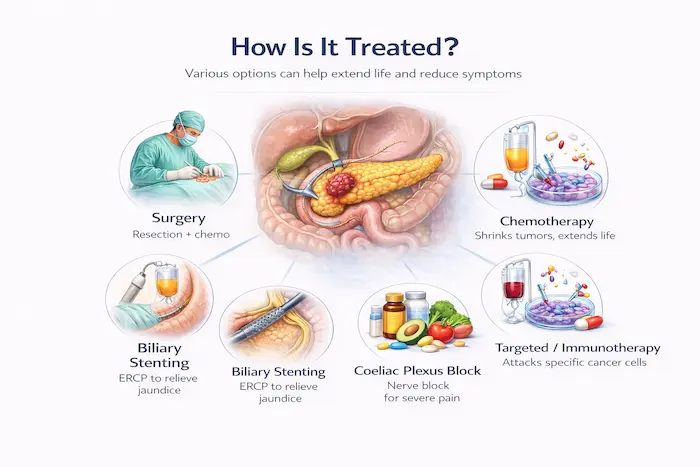
    How Is It Treated?

    advitya healthcares
    The Surgery: Whipple Procedure (Pancreaticoduodenectomy) The Whipple is one of the most complex abdominal operations performed. It is used for cancers in the head of the pancreas. What is removed: the head of the pancreas, the first part of the small bowel (duodenum), the lower bile duct, the gallbladder, and sometimes part of the stomach. Three reconnections are then made: the remaining pancreas to the bowel (pancreaticojejunostomy), the bile duct to the bowel (hepaticojejunostomy), and the stomach to the bowel (gastrojejunostomy). Distal pancreatectomy: for cancers in the body or tail — removes the left side of the pancreas, often with the spleen. Total pancreatectomy: removes the entire pancreas — used in selected cases; results in insulin-dependent diabetes. Hospital stay: 7-14 days. Recovery: 6-8 weeks.

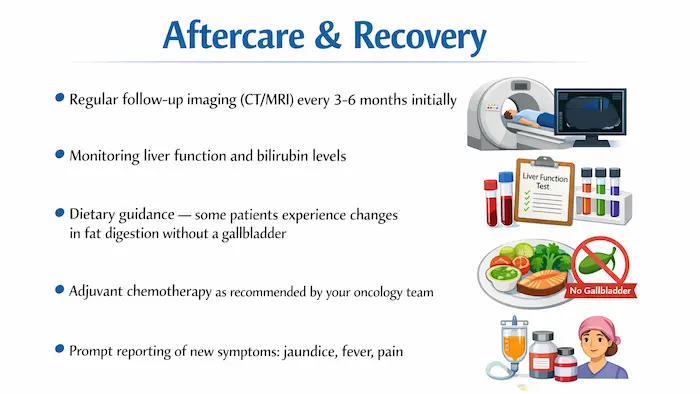
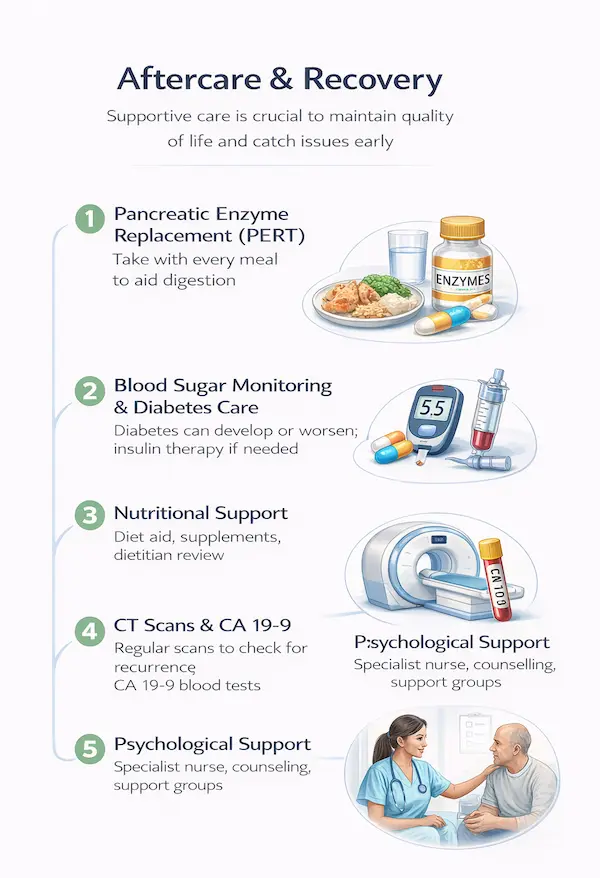
    Aftercare & Recovery

    advitya healthcares
    Enzyme supplements are not optional after pancreatic surgery — without them, food passes through undigested, causing weight loss, fatty stools, and fatigue. Take them with every meal and snack, every time.
  • Your guide to Gallbladder Cancer, Everything You Need to Know

    Your guide to Gallbladder Cancer, Everything You Need to Know

    PancreaCare by
    Advitya Healthcares

    Covering: Oesophageal  |  Stomach  |  Liver  |  Gallbladder  |  Bile Duct
    Pancreatic  |  Small Bowel  |  Colon  |  Rectal  |  Anal  |  GIST  |  NETs

    Warning Signs: When to See a Doctor

    Red Flag Symptoms — Never Ignore These    
    Unexplained weight loss or loss of appetite   Difficulty swallowing or pain when swallowing   Persistent indigestion, heartburn, or abdominal pain   Vomiting blood, or vomit that looks like coffee grounds   Black, tarry, or bloody stools   New jaundice — yellowing of skin or whites of the eyes   Dark urine and pale/clay-coloured stools   A change in bowel habits lasting more than 3 weeks   Unexplained new anaemia (low blood count)   New-onset diabetes after age 50, especially with weight loss   A lump or swelling in the abdomen   If you have any of these — please make an appointment with your GP today. Early detection genuinely saves lives.

    Gallbladder Cancer

    Advitya Healthcares

    What Is It?

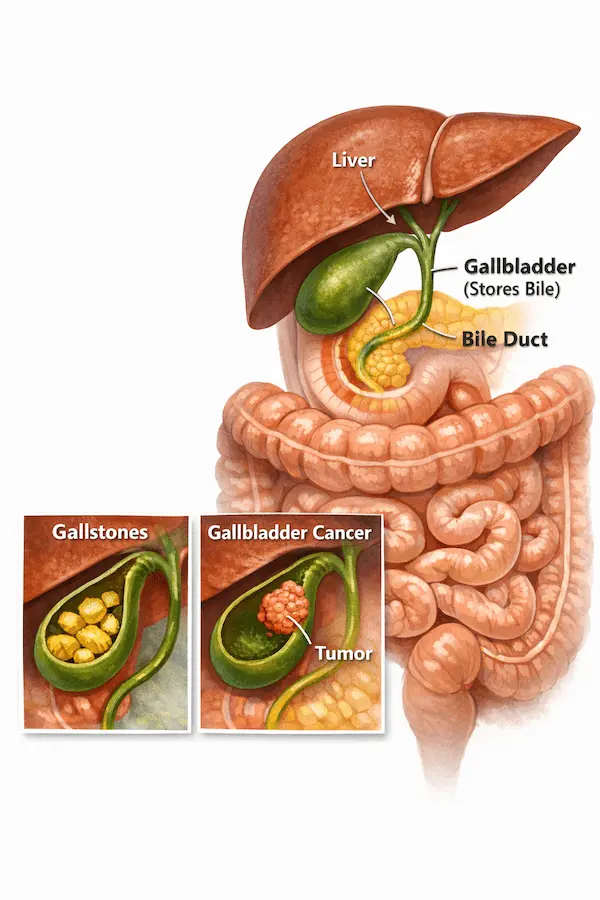
    The gallbladder is a small pear-shaped pouch tucked beneath the liver. Its job is to store bile — a digestive fluid made by the liver — and release it into the small intestine after meals to help digest fats.

    Gallbladder cancer is not common, but it’s important to know about because it’s often linked to gallstones, which are very common. It tends to be found at a later stage because it rarely causes distinct symptoms early on.

    Why Does It Happen? (Causes & Risk Factors)

    Advitya healthcares

    The common thread in gallbladder cancer is chronic inflammation and irritation of the gallbladder wall:

    • Gallstones (cholelithiasis) — especially large stones causing repeated episodes of inflammation
    • Chronic cholecystitis (long-standing gallbladder inflammation)
    • Gallbladder polyps — particularly those larger than 1 cm
    • Porcelain gallbladder (calcification of the gallbladder wall from chronic inflammation)
    • Anomalous pancreaticobiliary junction (a structural abnormality where bile duct joins the pancreatic duct abnormally)
    • Female sex and older age
    • Obesity and certain ethnic backgrounds (higher rates in some South American and South Asian populations)

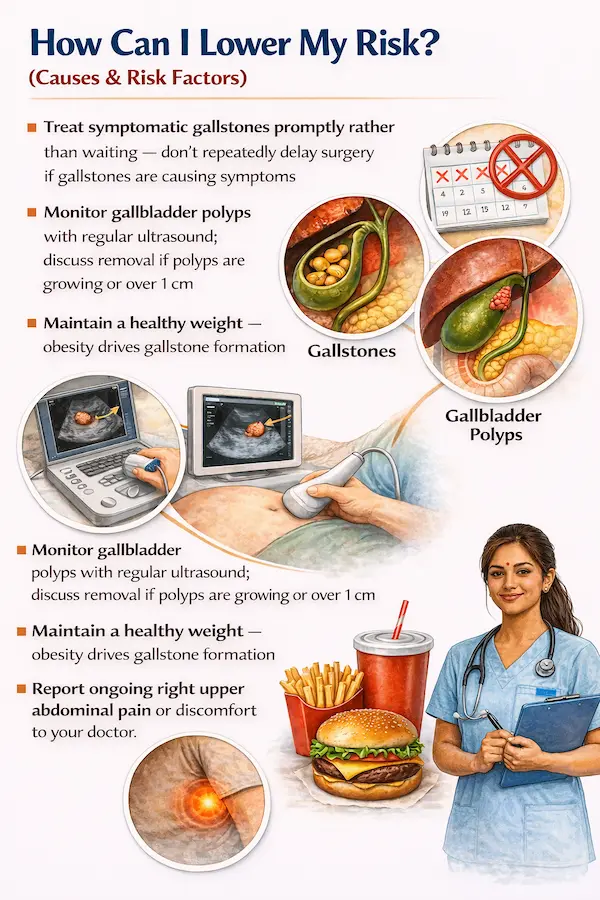
    How Can I Lower My Risk?

    Advitya healthcares

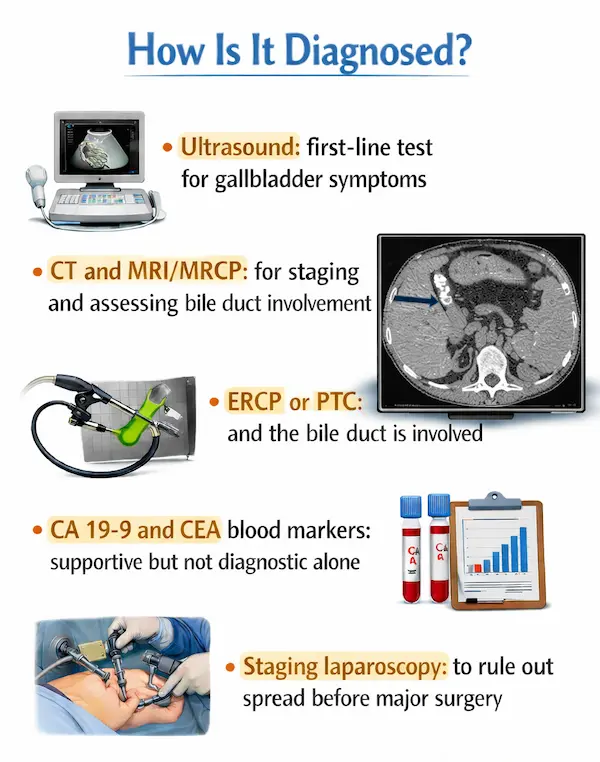
    How Is It Diagnosed?

    Gallbladder cancer is often suspected on imaging done for other reasons, or when gallbladder removal (cholecystectomy) reveals unexpected cancer:

    Advitya healthcares

    How Is It Treated?

    Surgery offers the only chance of cure; the extent depends on how far the cancer has spread:

    • Simple cholecystectomy: removal of the gallbladder alone — sufficient for very early incidental cancers
    • Extended cholecystectomy: removal of the gallbladder plus a margin of liver and nearby lymph nodes — for most operable cancers
    • Bile duct resection: if the bile duct is involved
    • Chemotherapy (gemcitabine + cisplatin or capecitabine) after surgery or for advanced disease
    • Stent placement: to relieve jaundice caused by bile duct blockage in advanced cases
    The Surgery: Extended Cholecystectomy For most operable gallbladder cancers, surgery involves removing the gallbladder, a wedge of liver tissue immediately adjacent to it, and lymph nodes in the nearby region. If the bile duct is involved, that section of bile duct is also removed and the bowel is reconnected (biliary reconstruction). The goal is complete removal of all cancer with clear margins. Hospital stay is typically 5-10 days depending on complexity.

    Aftercare & Recovery

    Advitya Healthcares
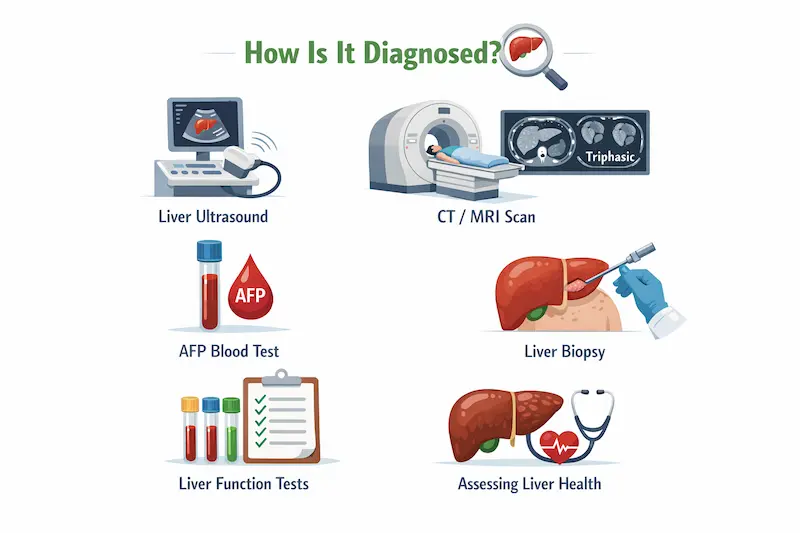
  • Your guide to Liver Cancer, Everything You Need to Know

    Your guide to Liver Cancer, Everything You Need to Know

    PancreaCare by
    Advitya Healthcares

    Covering: Oesophageal  |  Stomach  |  Liver  |  Gallbladder  |  Bile Duct
    Pancreatic  |  Small Bowel  |  Colon  |  Rectal  |  Anal  |  GIST  |  NETs

    Warning Signs: When to See a Doctor

    Red Flag Symptoms — Never Ignore These    
    Unexplained weight loss or loss of appetite   Difficulty swallowing or pain when swallowing   Persistent indigestion, heartburn, or abdominal pain   Vomiting blood, or vomit that looks like coffee grounds   Black, tarry, or bloody stools   New jaundice — yellowing of skin or whites of the eyes   Dark urine and pale/clay-coloured stools   A change in bowel habits lasting more than 3 weeks   Unexplained new anaemia (low blood count)   New-onset diabetes after age 50, especially with weight loss   A lump or swelling in the abdomen   If you have any of these — please make an appointment with your GP today. Early detection genuinely saves lives.

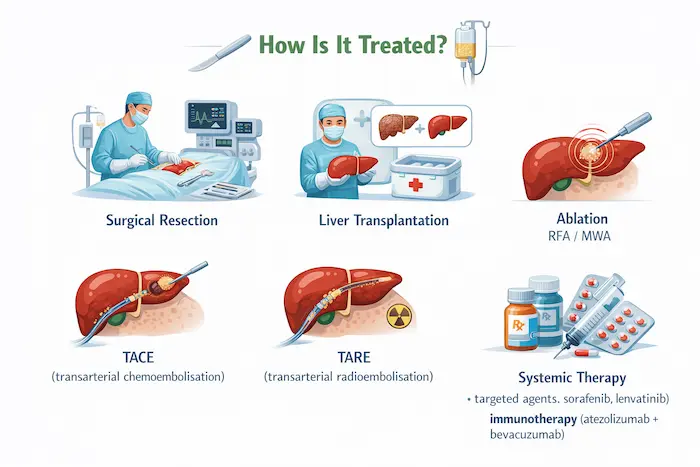
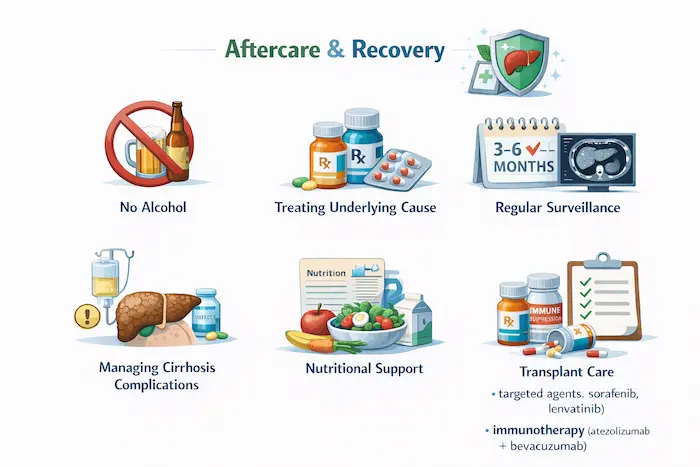
    Liver Cancer (Hepatocellular Carcinoma)

    What Is It?

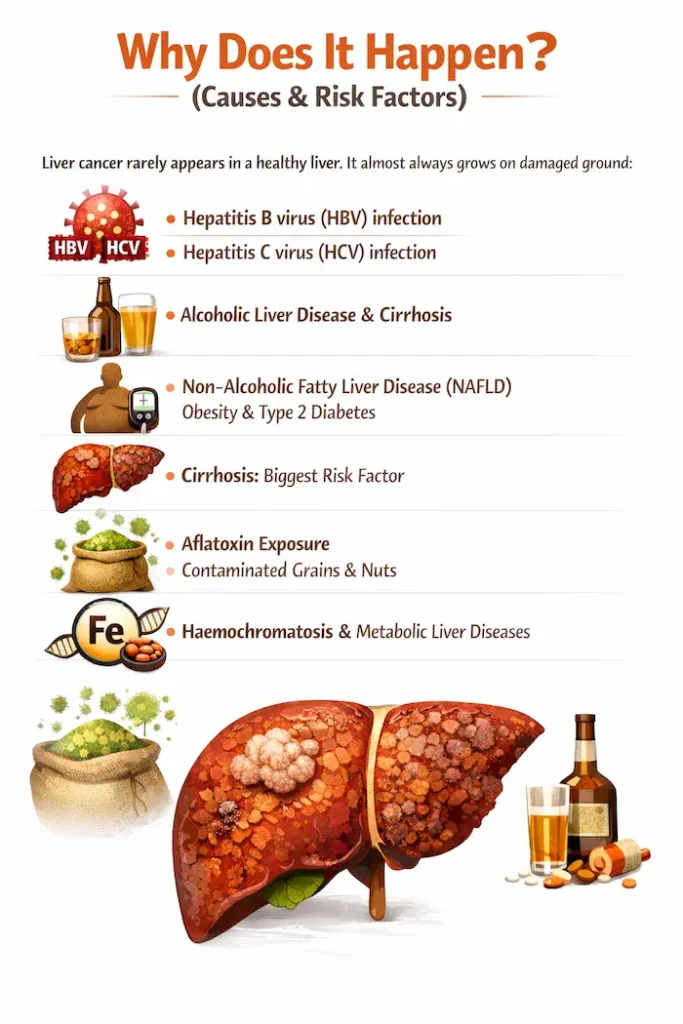
    Why Does It Happen? (Causes & Risk Factors)

    advitya healthcares

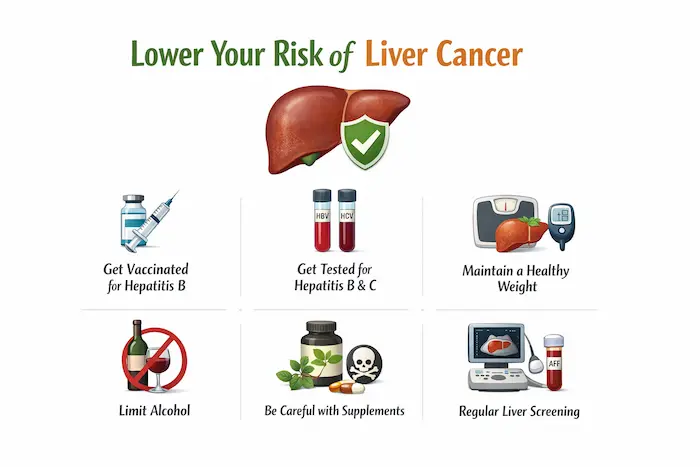
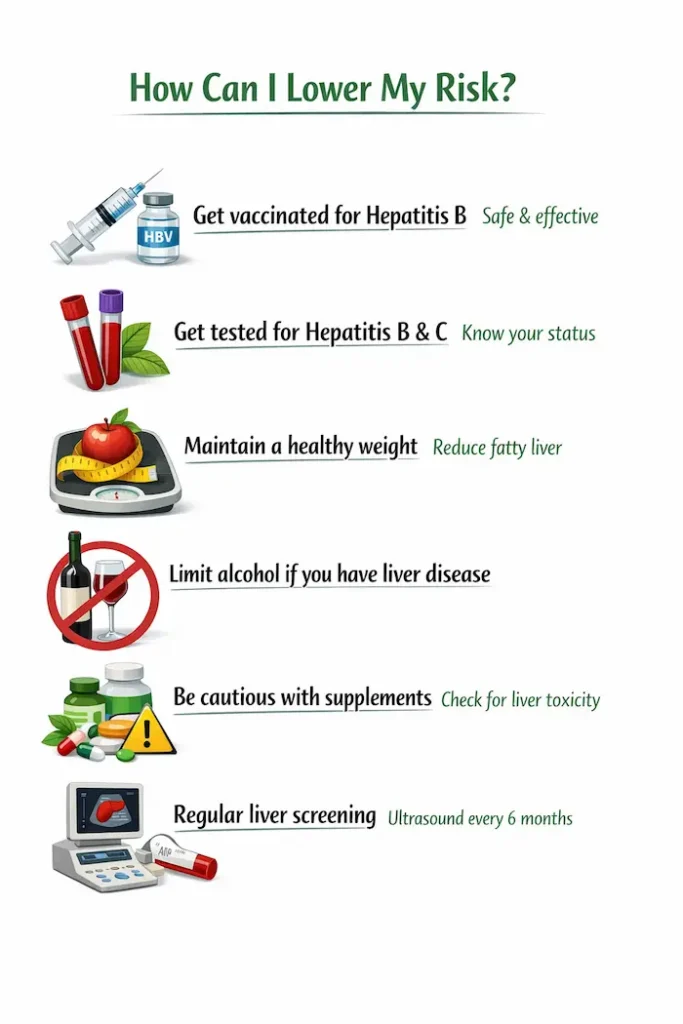
    How Can I Lower My Risk?

    How Is It Diagnosed?

    How Is It Treated?

    The Surgery: Liver Resection (Hepatectomy) A hepatectomy removes the tumour along with a margin of healthy liver tissue. The liver has a unique ability to regenerate — up to 70% can be safely removed in a healthy liver. In cirrhotic livers, the extent of surgery is carefully limited based on liver reserve. The operation can be done open or laparoscopically (keyhole). Hospital stay is typically 4-7 days. Liver Transplantation: Both the cancerous liver and the diseased underlying liver are removed and replaced with a healthy donor liver — offering the best long-term outcomes for eligible patients.

    Aftercare & Recovery

Seraphinite AcceleratorOptimized by Seraphinite Accelerator
Turns on site high speed to be attractive for people and search engines.