
...

Category: Liver

  • Your guide to Liver Cancer, Everything You Need to Know

    Your guide to Liver Cancer, Everything You Need to Know

    PancreaCare by
    Advitya Healthcares

    Covering: Oesophageal  |  Stomach  |  Liver  |  Gallbladder  |  Bile Duct
    Pancreatic  |  Small Bowel  |  Colon  |  Rectal  |  Anal  |  GIST  |  NETs

    Warning Signs: When to See a Doctor

    Red Flag Symptoms — Never Ignore These    
    Unexplained weight loss or loss of appetite   Difficulty swallowing or pain when swallowing   Persistent indigestion, heartburn, or abdominal pain   Vomiting blood, or vomit that looks like coffee grounds   Black, tarry, or bloody stools   New jaundice — yellowing of skin or whites of the eyes   Dark urine and pale/clay-coloured stools   A change in bowel habits lasting more than 3 weeks   Unexplained new anaemia (low blood count)   New-onset diabetes after age 50, especially with weight loss   A lump or swelling in the abdomen   If you have any of these — please make an appointment with your GP today. Early detection genuinely saves lives.

    Liver Cancer (Hepatocellular Carcinoma)

    What Is It?
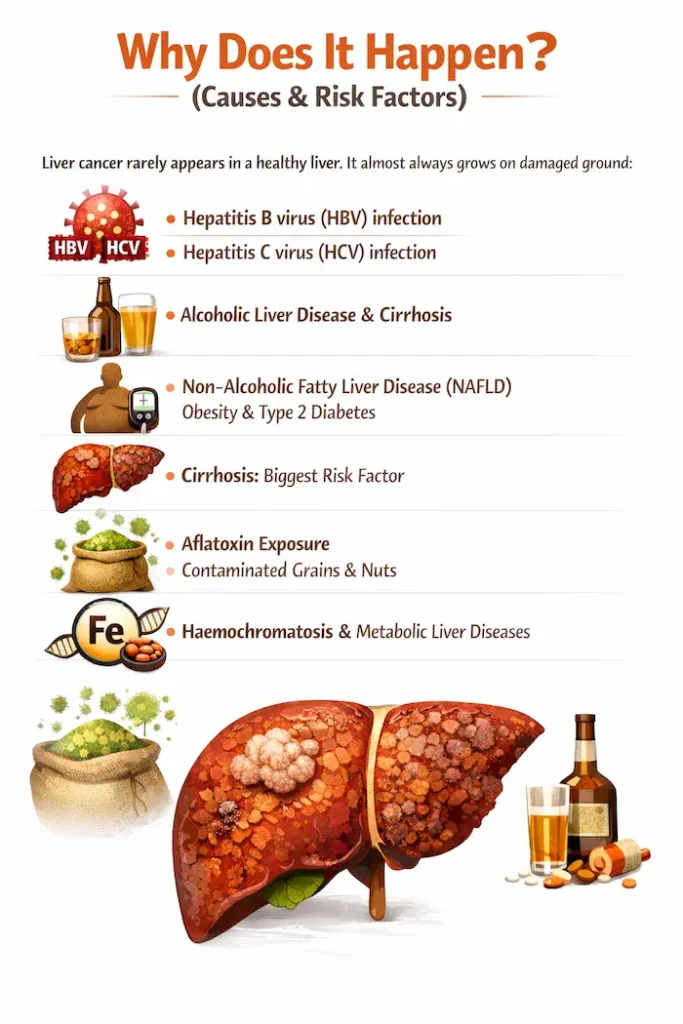
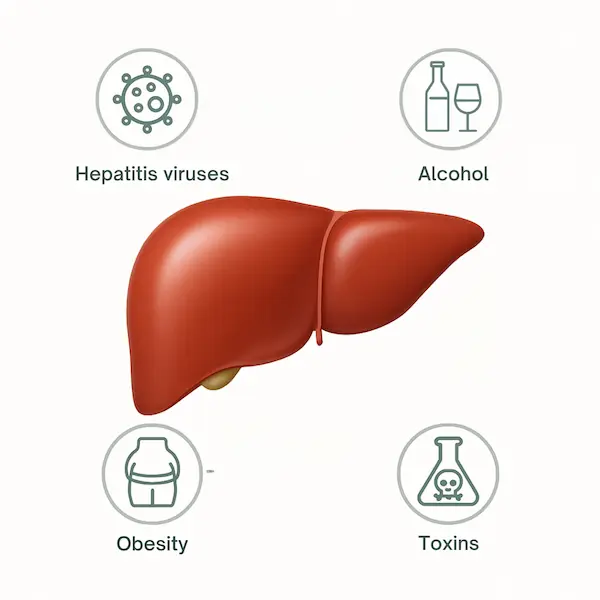
    Why Does It Happen? (Causes & Risk Factors)
    advitya healthcares

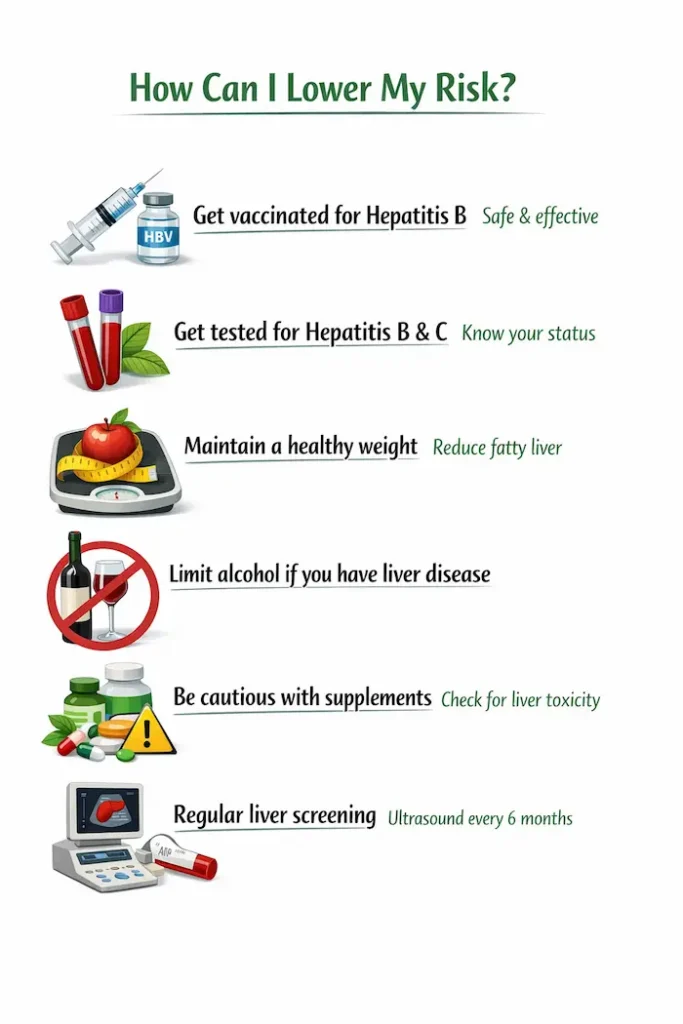
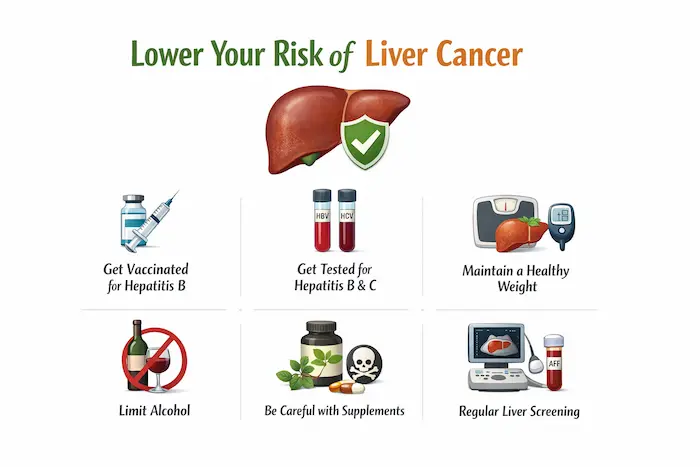
    How Can I Lower My Risk?

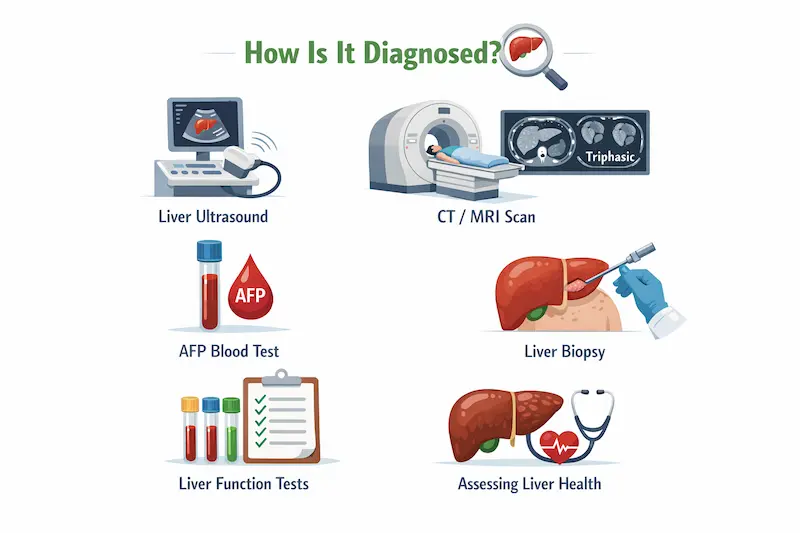
    How Is It Diagnosed?

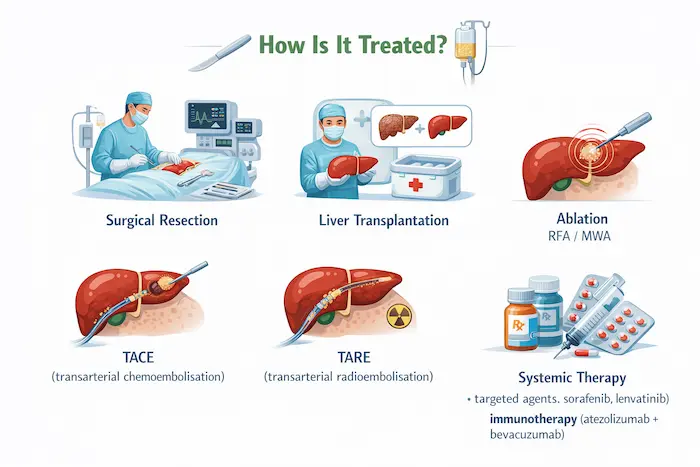
    How Is It Treated?

    The Surgery: Liver Resection (Hepatectomy) A hepatectomy removes the tumour along with a margin of healthy liver tissue. The liver has a unique ability to regenerate — up to 70% can be safely removed in a healthy liver. In cirrhotic livers, the extent of surgery is carefully limited based on liver reserve. The operation can be done open or laparoscopically (keyhole). Hospital stay is typically 4-7 days. Liver Transplantation: Both the cancerous liver and the diseased underlying liver are removed and replaced with a healthy donor liver — offering the best long-term outcomes for eligible patients.

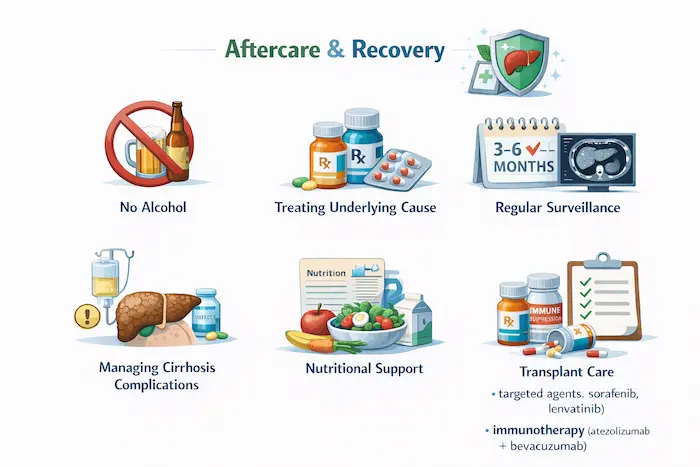
    Aftercare & Recovery

  • Fatty Liver + Belly Fat: The Gut–Liver Connection Behind “Stubborn Weight

    Fatty Liver + Belly Fat: The Gut–Liver Connection Behind “Stubborn Weight

    PancreaCare by Advitya Healthcares

    If you’re in Kolkata and feeling like your belly fat won’t budge—even after cutting calories or walking every day—you’re not alone. Many people do “everything right” on the surface, yet the scale barely moves, the waistline stays the same, and fatigue keeps creeping in.

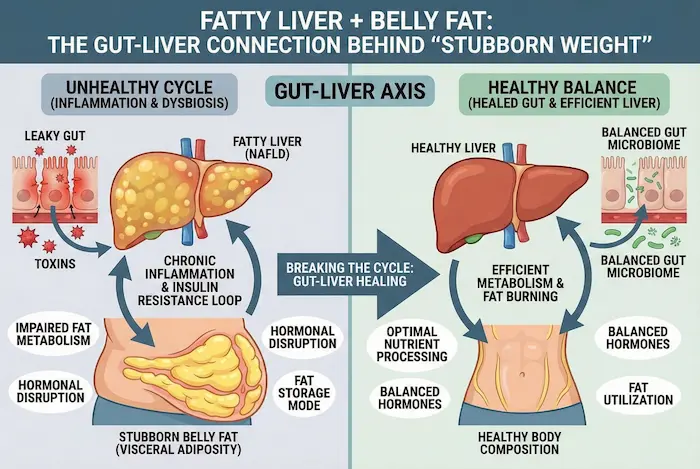
    One common (and often missed) reason: fatty liver + visceral (deep belly) fat, driven by a powerful internal loop called the gut–liver axis. In simple words: your gut, liver, and metabolism talk to each other all day. When that communication turns unhealthy, your body becomes more likely to store fat—especially around the abdomen—and less likely to burn it efficiently.

    This blog explains the gut–liver connection behind stubborn belly fat in a practical, Kolkata-friendly way.


    1) Fatty Liver + Belly Fat: Why They Often Come Together

    What is fatty liver?

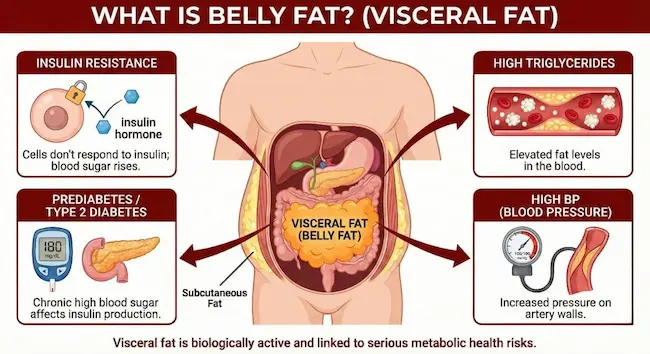
    Fatty liver (commonly NAFLD / MASLD) means excess fat gets stored inside liver cells. It can happen even if you don’t drink alcohol. It’s strongly linked with:

    5171f1a6 521f 42d2 a9ff a799027a7822
    • Belly fat (visceral fat)
    • Insulin resistance
    • High triglycerides
    • Prediabetes / Type 2 diabetes
    • High BP

    Why belly fat is “different fat”

    Belly fat isn’t just “extra weight.” Visceral fat sits deep around internal organs and behaves like an active hormone gland. It releases inflammatory signals that make:

    • insulin resistance worse
    • fatty liver worse
    • cravings and hunger regulation worse

    So fatty liver and belly fat often form a two-way cycle.


    2) The Gut–Liver Axis: The Hidden Metabolic Highway

    Your gut and liver are connected through the portal vein—a direct route that carries nutrients, bacteria by-products, and inflammatory compounds from intestines straight to the liver.

    When the gut environment is balanced, the liver receives mostly “safe” signals.
    When the gut is disturbed, the liver receives more:

    • inflammatory compounds
    • bacterial toxins (endotoxins)
    • excess sugar/fat metabolites

    This can trigger:

    • fat storage in liver
    • inflammation in liver
    • reduced fat-burning
    • more stubborn belly fat

    3) How Gut Problems Can Drive Fatty Liver & Stubborn Weight

    A) Dysbiosis (unhealthy gut microbiome)

    If “good bacteria” reduce and “harmful bacteria” increase, the body may:

    • extract more calories from the same food
    • increase inflammation
    • worsen insulin resistance

    B) Leaky gut (increased intestinal permeability)

    When the gut lining becomes more permeable, inflammatory particles can enter circulation and reach the liver, increasing:

    • liver inflammation
    • fat accumulation
    • metabolic slowdown

    C) Bloating, acidity, irregular bowel movements → not just “gas”

    In many Kolkata lifestyles (late dinners, tea + biscuits, weekend biryani, sweets), the gut can remain irritated—leading to cravings, poor sleep, and hormonal imbalance that indirectly pushes fat storage.


    4) Insulin Resistance: The Core Link Between Fatty Liver and Belly Fat

    Insulin is the hormone that moves glucose into cells.
    When the body becomes resistant to insulin:

    • blood sugar stays higher
    • the pancreas produces more insulin
    • high insulin pushes the body to store fat, especially visceral fat
    • liver converts excess glucose into fat (fatty liver)

    Key point: You can have insulin resistance even with “normal weight,” but it’s very common with belly fat.


    5) Kolkata Lifestyle Triggers That Quietly Worsen the Gut–Liver Loop

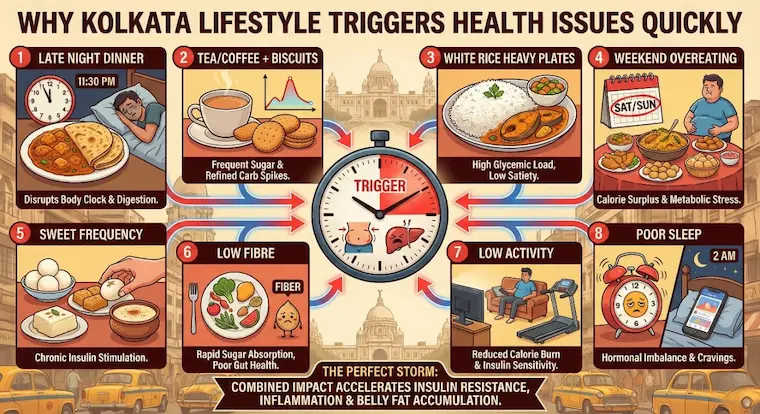
    These are common patterns we see locally (no guilt—just awareness):

    3131e385 c214 4248 acfc 381bf42c5b06 (1)
    • Late-night dinner (after 9 pm) + sleeping soon after
    • Tea/coffee + biscuits multiple times daily (hidden sugar + refined flour)
    • White rice-heavy plates with low protein
    • Weekend overeating (biryani, rolls, fried snacks)
    • Sweet frequency (mishti, packaged sweets, desserts)
    • Low fiber (less vegetables/whole grains)
    • Low activity outside of work + long sitting hours
    • Poor sleep and high stress

    These don’t just add calories—they disrupt gut bacteria, insulin response, and liver fat metabolism.


    6) Signs That “Stubborn Weight” Might Be a Fatty Liver + Gut Issue

    Many people don’t feel anything early. But common clues include:

    • belly fat increasing even without big weight gain
    • constant fatigue / low energy
    • cravings, especially evening sugar cravings
    • bloating, acidity, irregular bowel habits
    • borderline high sugar (prediabetes) or triglycerides
    • mildly elevated liver enzymes (ALT/AST)
    • snoring/sleep issues (often linked with visceral fat)

    Important: Only a clinician can confirm diagnosis. But these signs can be a reason to get checked.


    7) What Tests Usually Help (Doctor-guided)

    Depending on your history, a doctor may advise:

    • LFT (liver function tests)
    • Ultrasound abdomen (fatty liver grading)
    • Fasting glucose, HbA1c
    • Fasting insulin / HOMA-IR (in selected cases)
    • Lipid profile (especially triglycerides)
    • Thyroid profile (if indicated)
    • Fibrosis assessment (FibroScan or non-invasive scoring) if risk is high

    8) The Fix: Heal the Gut–Liver Loop (Not Just “Eat Less”)

    The best strategy is not crash dieting. It’s metabolic correction.

    A) Build a “liver-friendly plate” (simple)

    Aim each meal to have:

    • Protein: fish/egg/chicken/dal/paneer/curd
    • Fiber: vegetables + salads
    • Smart carbs: controlled rice/roti portion
    • Healthy fats: small amounts (mustard oil, nuts)

    Rule that works:
    ½ plate vegetables + ¼ protein + ¼ carbs

    B) Kolkata-friendly food swaps (practical)

    1769081101195 (1)
    If you usually eat…Try this instead…
    2–3 cups white rice1 cup rice + extra dal/veg + protein
    Tea + biscuits dailyTea + roasted chana / nuts / egg / fruit
    Late heavy dinnerEarly lighter dinner + walk 10–15 min
    Fried snacks oftenAir-fried / roasted snacks; keep fried as occasional
    Sweets after dinnerShift sweet to daytime; keep portion small

    C) Improve gut bacteria (simple habits)

    • Add curd (dahi) if tolerated
    • Add fiber slowly (veg, oats, chia, seeds)
    • Include fermented foods in small amounts if suitable
    • Reduce ultra-processed foods (packaged snacks, sugary drinks)

    (If you have IBS, acidity, or food intolerances, don’t self-experiment aggressively—personalized guidance helps.)

    D) Walking is good, but add strength (belly fat responds faster)

    To reduce visceral fat, add strength training 3x/week (even at home):

    • squats, lunges, push-ups (modified), resistance bands
    • 20–30 minutes is enough to start

    Strength training improves:

    • insulin sensitivity
    • muscle mass (metabolic engine)
    • fat burning even at rest

    E) Sleep & stress (underrated but crucial)

    Poor sleep increases:

    • hunger hormones
    • sugar cravings
    • insulin resistance

    Kolkata-friendly tip:
    Try a “closing routine” after dinner:
    10–15 min walk + warm water + screens off 30–45 min before bed.


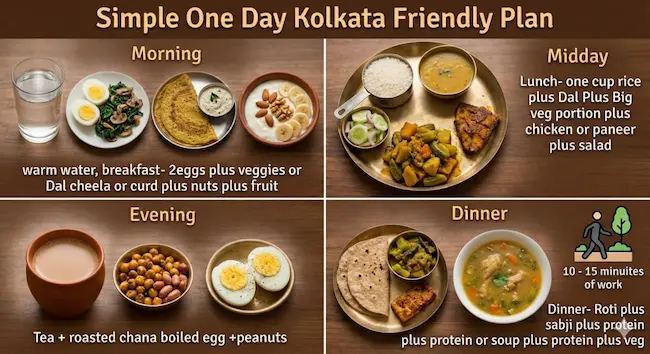
    9) A Sample 1-Day Kolkata-Friendly Plan (Easy to Follow)

    WhatsApp Image 2026 01 22 at 4.20.20 PMd

    Morning

    • Warm water
    • Breakfast: 2 eggs + veggies / or dal cheela / or curd + nuts + fruit (small portion)

    Midday

    • Lunch: 1 cup rice + dal + big veg portion + fish/chicken/paneer
    • Optional: salad

    Evening

    • Tea + roasted chana / boiled egg / peanuts (not biscuits daily)

    Night (early)

    • Dinner: roti + sabzi + protein OR soup + protein + veg
    • 10–15 min walk

    Weekly rule: Keep biryani/roll/mishti—just make it planned, not random and frequent.


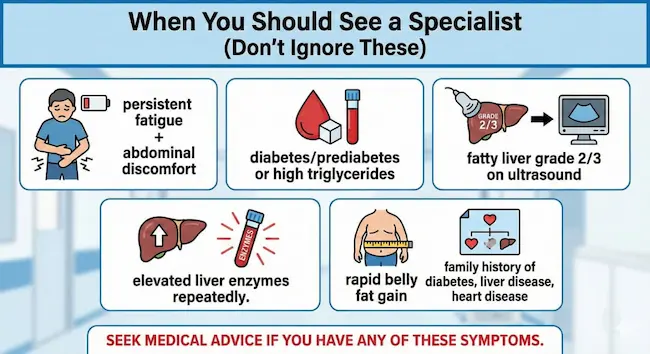
    10) When You Should See a Specialist (Don’t Ignore These)

    Seek medical advice if you have:

    • persistent fatigue + abdominal discomfort
    • diabetes/prediabetes or high triglycerides
    • fatty liver grade 2/3 on ultrasound
    • elevated liver enzymes repeatedly
    • rapid belly fat gain
    • family history of diabetes, liver disease, heart disease
    WhatsApp Image 2026 01 22 at 4.28.34 PM

    PancreaCare by Advitya Healthcares (Kolkata Focus): How We Help

    At PancreaCare by Advitya Healthcares, we focus on gut–liver–metabolic health with a structured approach—so you’re not stuck doing random diets.

    A doctor-guided plan may include:

    • understanding your fatty liver risk and metabolic profile
    • identifying gut triggers (bloating, acidity, bowel irregularity)
    • lifestyle + nutrition guidance that fits Kolkata food habits
    • monitoring liver health and preventing progression

    If your “stubborn weight” is really a gut–liver issue, the solution is not punishment—it’s correction.


    FAQ (Quick Answers)

    1) Can fatty liver happen if I don’t drink alcohol?
    Yes. Non-alcoholic fatty liver is very common and often linked to belly fat and insulin resistance.

    2) Can I reduce fatty liver without losing a lot of weight?
    Often, yes. Even 5–10% weight reduction and better insulin sensitivity can significantly improve liver fat.

    3) Is rice completely banned in fatty liver?
    Not necessarily. Portion control + protein + vegetables matters more than “zero rice.”

    4) Does bloating mean fatty liver?
    Not always. But gut disturbance and fatty liver can coexist and worsen each other.


    Medical Disclaimer

    This blog is for general awareness and does not replace medical consultation, diagnosis, or treatment. If you have persistent symptoms or abnormal test reports, please consult a qualified doctor.

  • Liver Operation Patient Information Booklet | Trusted Liver Care in Ranchi – PancreaCare By Advitya Healthcares

    Liver Operation Patient Information Booklet | Trusted Liver Care in Ranchi – PancreaCare By Advitya Healthcares

    A Message from Your Surgical Team

    Dear Patient,

    We know that planning for liver surgery can feel overwhelming. It’s normal to have questions, fear, or uncertainty. This guide is made to support you and your family at every step — from diagnosis and preparation to recovery and long-term wellness.

    If you are looking for a trusted liver doctor in Ranchi, our PancreaCare’s surgical team is here to guide you with clarity and confidence.

    PancreaCare – Advitya Healthcares introduces PancreaCare, your trusted destination for excellence in surgical, Medical, and cancer care for pancreatic, Liver, Biliary, and Luminal Gastrointestinal Diseases.

    With PancreaCare, patients find not just treatment, but true recovery and renewed life.

    We bring world-class surgical expertise to your community, so you can make informed decisions without travelling far from home.

    With our service PancreaCare by Advitya, we believe in care that is not only surgical but also scientific, compassionate, and continuous. You are not alone in this journey — our team is with you at every stage.

    Understanding the Liver & Why You May Need Surgery | Liver Doctor in Ranchi

    The liver is one of the most important organs in your body. It cleans and filters your blood, stores energy, produces proteins, and helps digestion. It also supports immunity.

    A special fact: the liver can regenerate. This means even if a part is removed, the remaining healthy liver can grow back over time.

    Common Reasons for Liver Surgery

    Liver surgery may be advised for:

    • Liver cancers (Hepatocellular carcinoma, cholangiocarcinoma)

    • Metastatic tumors (cancer spread from other organs like colon or pancreas)

    • Benign liver tumors or cysts

    • Bile duct cancers or biliary obstruction

    • Liver abscess, injury, or trauma

    Image

    The goal of liver surgery is to remove only the diseased portion while keeping enough healthy liver for normal life.

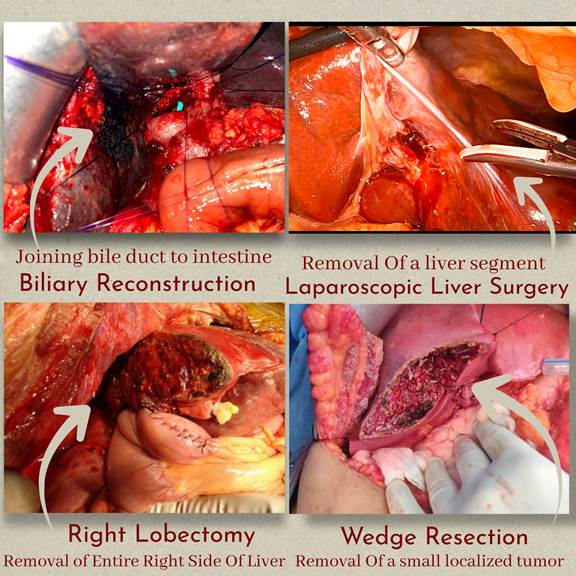
    Types of Liver Surgery

    Depending on your condition, your surgeon may recommend:

    • Liver Resection / Laparoscopic Liver Surgery – removal of a liver segment or lobe

    • Right or Left Lobectomy – removal of one entire side of the liver

    • Wedge / Non‑Anatomical Resection – removal of a small localized tumor

    • Biliary Reconstruction / Excision – repairing or removing bile ducts

    • Cyst or Abscess Surgery – draining/removing infected fluid cavities

    Image

    Surgery is done under general anesthesia and usually takes 4–8 hours. It may be done using open surgery or laparoscopic (keyhole) techniques, based on safety and tumor location.

    Before Surgery: How to Prepare

    1. Medical Optimization: We check your heart, lungs, kidney function, liver function, and blood clotting ability. If bilirubin is high, biliary stenting may be required before surgery.

    2. Nutrition: Eat a high‑protein diet (dal, eggs, fish/chicken, paneer, soy), take prescribed vitamins/supplements, stay hydrated, and avoid fatty foods and alcohol.

    3. Lifestyle: Stop smoking and alcohol at least 2 weeks before surgery. Walk daily to build stamina.

    4. Pre‑Operative Instructions: Fast 6 hours before surgery, bring all past reports, remove jewelry/dentures, and tell your doctor about allergies or long‑term medicines (BP, sugar, blood thinners).

    On the Day of Surgery

    You will meet your anesthetist and surgical team. An IV line will be inserted. A urinary catheter and monitoring lines may be placed. After surgery, you will wake up in the ICU for close monitoring.

    Image

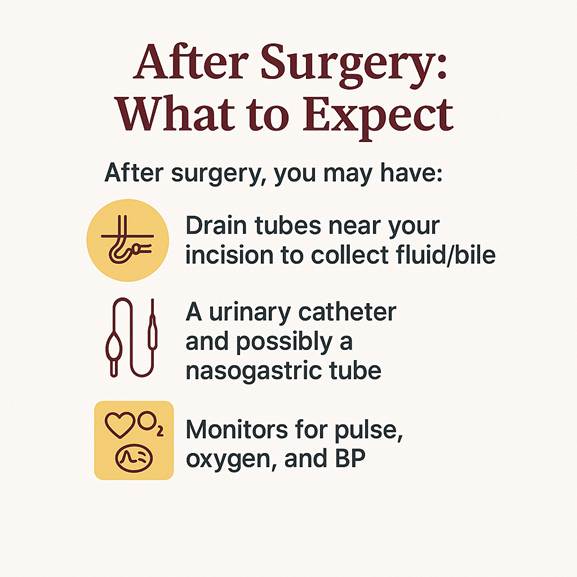
    After Surgery: What to Expect in Hospital

    After surgery, you may have:

    • Drain tubes near your incision to collect bile/fluid

    • A urinary catheter

    • Sometimes a nasogastric tube

    • Continuous monitoring of oxygen, pulse, and BP

    You will be encouraged to sit up early, do breathing exercises, and start walking soon. This improves healing and prevents complications. Pain will be controlled carefully using IV or epidural medicines.

    Image

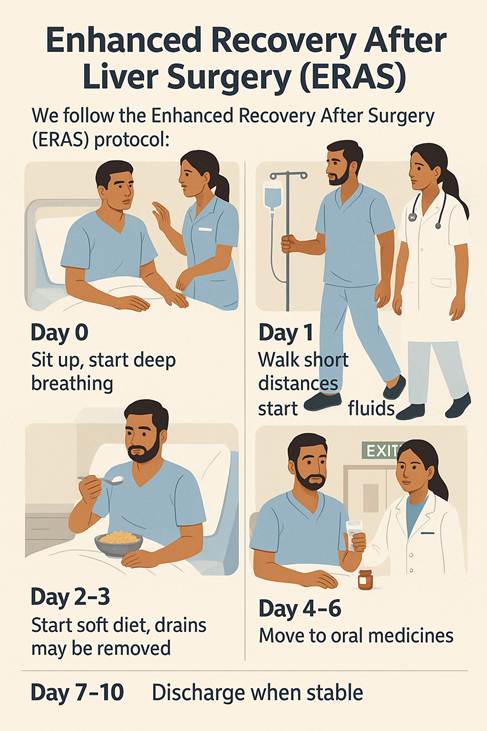
    Enhanced Recovery After Liver Surgery (ERAS)

    We follow the Enhanced Recovery After Surgery (ERAS) protocol to help you recover faster and safer:

    • Day 0: Sit up, deep breathing exercises

    • Day 1: Walk short distances, begin clear fluids

    • Day 2–3: Soft diet, drains may start coming out

    • Day 4–6: Shift to oral medicines

    • Day 7–10: Discharge once stable

    Image

    Recovery differs for every patient. Your plan will be personalized.

    Care at Home After Discharge

    1. Wound & Drain Care: Keep incision clean and dry. Watch for redness, swelling, pus, or foul smell. Measure drain output if present.

    2. Diet: Eat small, frequent meals. Focus on high‑protein foods, avoid fried/oily food and alcohol, and drink plenty of water.

    3. Activity: Gentle walking daily. Avoid heavy lifting for 6–8 weeks.

    4. Medicines: Take medicines exactly as advised (antibiotics, pain relief, liver support, bile medicines).

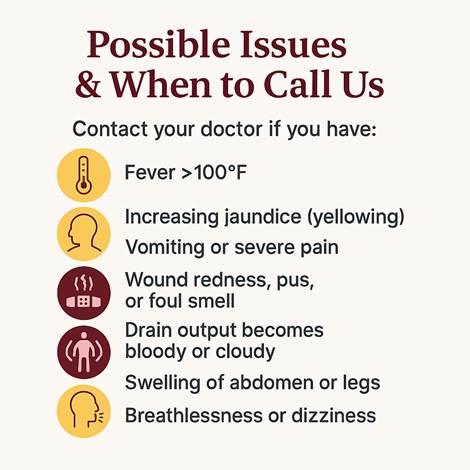
    Warning Signs: When to Call Us Immediately

    Contact your doctor if you develop:

    • Fever above 100°F

    • Increasing jaundice (yellow eyes/skin)

    • Vomiting or severe abdominal pain

    • Wound redness, pus, or foul smell

    • Drain output turning bloody or cloudy

    • Swelling of abdomen or legs

    • Breathlessness, dizziness, or weakness

    Image

    Long‑Term Follow‑Up

    First 3 months: Weekly checkups, liver function tests, and ultrasound/CT to monitor healing and regeneration.

    After 3 months: Resume normal work and diet gradually, avoid alcohol, and continue walking/exercise.

    If surgery was for cancer: Scans every 3–6 months, tumor marker tests, and coordination with the oncology team.

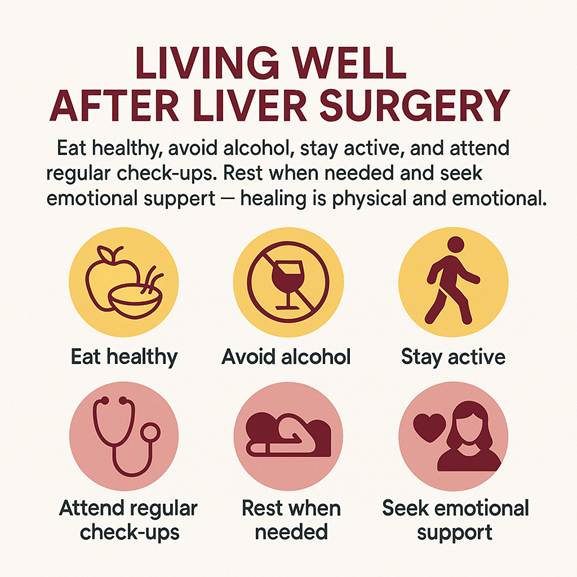
    Living Well After Liver Surgery

    Healing continues even after discharge. Eat healthy, stay active, avoid alcohol, sleep well, and take emotional support from family or friends. Recovery is not only physical — it is emotional too.

    Image

    Our Commitment to You

    At PancreaCare By Advitya healthcares, we are dedicated to healing that is human and scientific. We believe in empowering you with knowledge and walking beside you through every stage of recovery.

    Image

    As a leading liver doctor in Ranchi team, we focus on safe surgery, fast recovery, and lifelong follow‑up support.

    You are not just our patient — you are part of our family.

    Info Box

    Advitya Healthcares Pvt. Ltd.
    HepatoCare Unit – Gastrointestinal & Hepatopancreatobiliary Services
    📍 Ranchi, Jharkhand, Bokaro
    📞 +91 9211221551
    📞 +91 9211221552
    📞 +91 9211221553
    📞 +91 9211221554
    🌐 www.advityahealthcares.com | info@advityahealthcares.com

  • Liver Cancer Awareness Month: Understanding Risk, Detection, and Care

    Liver Cancer Awareness Month: Understanding Risk, Detection, and Care

    October highlights Liver Cancer Awareness Month, an important opportunity to raise awareness of one of the fastest-growing cancer diagnoses worldwide. As liver cancer cases increase in many areas, early detection, prevention, and informed treatment decisions are crucial for improving patient outcomes.

    This article provides a comprehensive overview of risk factors, causes, staging, clinical symptoms, diagnostic tools, treatment options, and links to aftercare resources for individuals and families navigating liver cancer.

    Etiology and Risk Factors

    A green awareness ribbon Pancreas & Advitya Healthcares Ranchi and kolkata

    Liver cancer primarily develops in individuals with underlying liver disease. The most common type, hepatocellular carcinoma (HCC), arises from hepatocytes (the primary liver cells). Intrahepatic cholangiocarcinoma, a cancer of the bile ducts within the liver, is less common but clinically significant.

    Key risk factors include:

    • Chronic viral hepatitis (HBV, HCV)
    • Cirrhosis (from alcohol, viral hepatitis, or non-alcoholic steatohepatitis)
    • Heavy alcohol consumption
    • Non-alcoholic fatty liver disease (NAFLD)
    • Obesity and Type 2 diabetes
    • Tobacco use
    • Exposure to aflatoxins (naturally occurring toxins in certain foods)
    • Family history of liver cancer
    • Hemochromatosis and other inherited liver disorders

    Preventive strategies such as hepatitis B vaccination, harm reduction for hepatitis C transmission, and lifestyle modification play a critical role in reducing liver cancer risk.

    Pathogenesis and Causes

    Liver cancer typically develops in the setting of chronic inflammation and hepatocellular injury, which promotes DNA damage, fibrosis, and eventual malignant transformation of liver cells.

    Key pathological processes include:

    • Chronic hepatitis (viral or autoimmune)
    • Fibrosis and cirrhosis progression
    • Cellular dysplasia within regenerative nodules
    • Genetic mutations or epigenetic alterations

    Understanding these mechanisms helps develop targeted therapies and surveillance protocols for high-risk populations.

    Cancer Staging

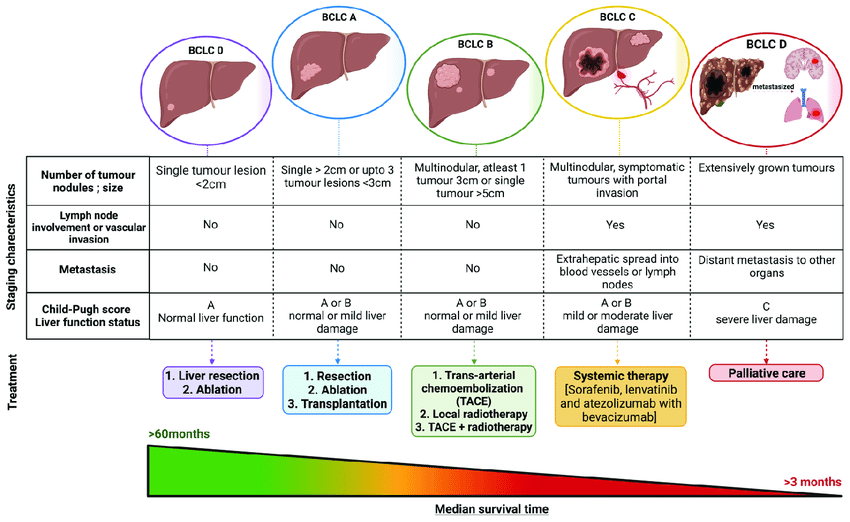
    Classification of hcc and its characteristics based on the bclc staging system hcc can Pancreacare logo with white background

    Accurate staging guides treatment and prognostication. Most institutions use the Barcelona Clinic Liver Cancer (BCLC) staging system, which considers tumour burden, liver function, performance status, and cancer-related symptoms.

    General Stages:

    • Stage 0 (Very Early): Single small tumour (<2 cm), preserved liver function
    • Stage A (Early): Single or up to three nodules <3 cm, no vascular invasion
    • Stage B (Intermediate): Multiple tumours without vascular invasion
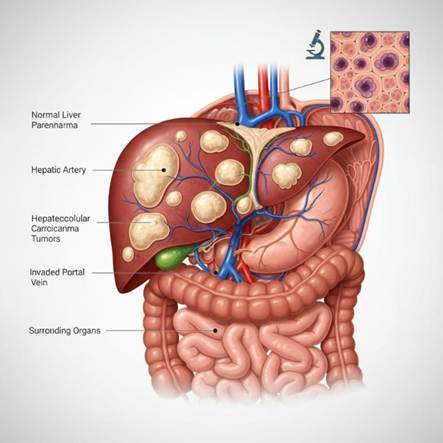
    • Stage C (Advanced): Portal vein invasion or extrahepatic spread
    • Stage D (End-Stage): Severely impaired liver function, poor performance status

    Staging also considers the Child-Pugh score and the Model for End-Stage Liver Disease (MELD) in therapeutic decision-making.

    Signs and Clinical Presentation

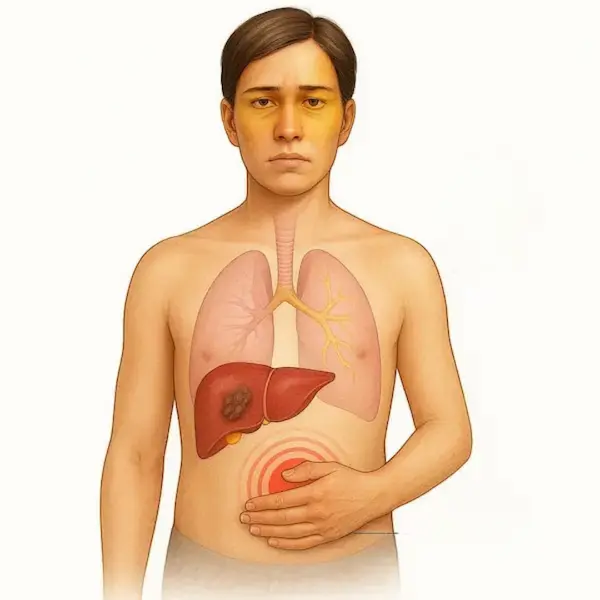
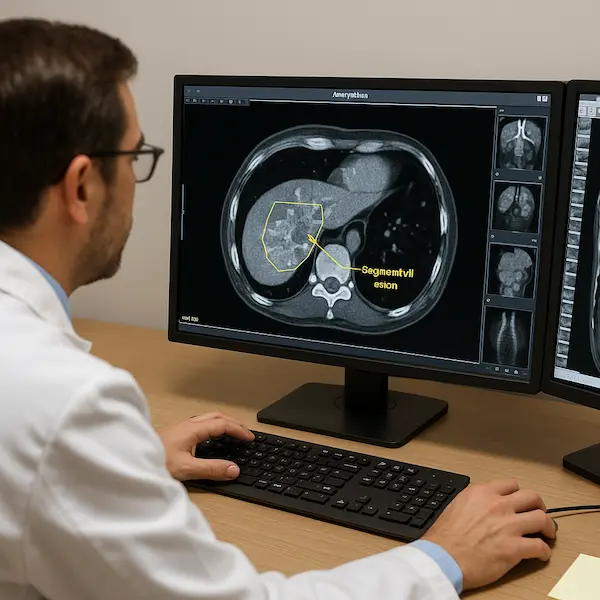
    Clinical representation of a patient experiencing liver cancer symptoms, including abdominal pain and jaundice, with anatomical highlights Advitya healthcares

    Early-stage liver cancer may be asymptomatic. When symptoms do emerge, they often indicate disease progression:

    • Right upper quadrant abdominal pain or fullness
    • Unexplained weight loss
    • Anorexia and early satiety
    • Fatigue and weakness
    • Ascites
    • Jaundice (yellowing of skin and sclera)
    • Pruritus
    • Pale stools and dark urine
    • Hepatomegaly or palpable mass

    Due to nonspecific symptoms, high-risk individuals should undergo routine surveillance imaging and blood work

    Diagnostic Approaches

    Clinical representation of a patient experiencing liver cancer symptoms, including abdominal pain and jaundice, with anatomical highlights Advitya healthcares 2

    Diagnosis of liver cancer involves a combination of imaging, laboratory testing, and in some cases, histologic confirmation:

    • Imaging: Multiphasic contrast-enhanced MRI or CT scan to assess arterial enhancement and washout pattern
    • Serum biomarkers: Elevated alpha-fetoprotein (AFP) levels, though not definitive alone
    • Liver biopsy: Generally reserved for indeterminate imaging findings or clinical trials
    • Liver function tests: AST, ALT, ALP, bilirubin, INR to evaluate hepatic reserve

    High-risk patients (e.g., those with cirrhosis or HBV/HCV) should undergo ultrasound screening every 6 months.

    Treatment Modalities

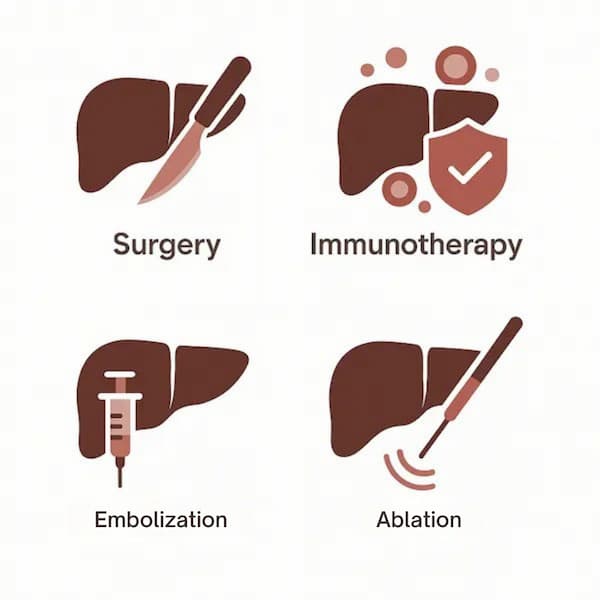
    Icons or infographic showing various treatment options for liver cancer, including surgery, immunotherapy, embolisation, and ablation

    Treatment is individualised based on cancer stage, liver function, patient health, and institutional resources. Options include:

    1. Curative Therapies – add images – add images for right hepatectomy, left hepatectomy, trisegmentectomy

    • Surgical resection: Preferred for localised tumours and adequate liver reserve
    • Liver transplantation: Ideal for patients within the Milan criteria
    • Local ablation: Radiofrequency or microwave ablation for small lesions

    2. Locoregional Therapies

    • Transarterial chemoembolization (TACE)
    • Transarterial radioembolization (TARE)

    3. Systemic Therapies

    • Targeted therapies: Sorafenib, Lenvatinib, Regorafenib, Cabozantinib
    • Immunotherapy: Atezolizumab plus Bevacizumab is a first-line standard
    • Chemotherapy: Limited role; used in select cases

    4. Palliative and Supportive Care

    • Symptom management, nutrition, psychological support

    Multidisciplinary care is essential—often involving hepatologists, oncologists, interventional radiologists, and surgeons

    Survivorship & Aftercare

    Icons or infographic showing various treatment options for liver cancer, including surgery, immunotherapy, embolisation, and ablation

    Long-term follow-up is essential for:

    • Detecting recurrence (imaging, AFP monitoring)
    • Managing comorbid liver disease
    • Supporting physical and emotional recovery
    • Providing nutritional guidance
    • Monitoring for treatment-related complications

    👉 For comprehensive information, visit our previous post:
    Aftercare for Liver Cancer Survivors: A Guide to Ongoing Health and Support

    Conclusion: Awareness Leads to Action

    Icons or infographic showing various treatment options for liver cancer, including surgery, immunotherapy, embolisation, and ablation

    Liver Cancer Awareness Month reminds us of the urgent need for education, screening, and access to care. Increased awareness leads to earlier diagnosis, improved survival, and better quality of life for those affected.

    If you or someone you know is at risk, speak with a healthcare provider about screening options.


    📚 Additional Resources


    Disclaimer: The information provided in this article is for educational purposes only and should not be interpreted as medical advice. Always consult with a qualified healthcare provider for any health concerns or decisions regarding diagnosis and treatment

Seraphinite AcceleratorOptimized by Seraphinite Accelerator
Turns on site high speed to be attractive for people and search engines.