...

Category: Sarcoma

  • GI Diseases & Heart Risk: Why GI Health Protects Your Heart

    GI Diseases & Heart Risk: Why GI Health Protects Your Heart

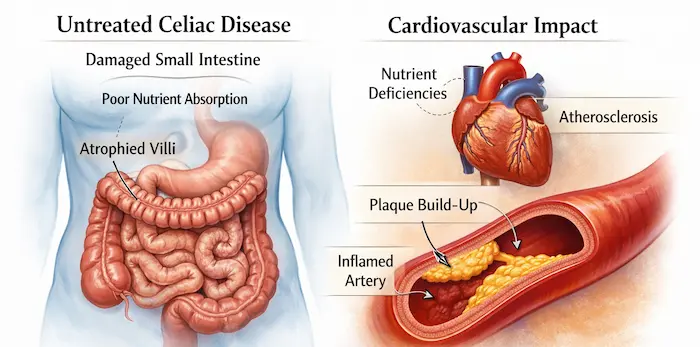
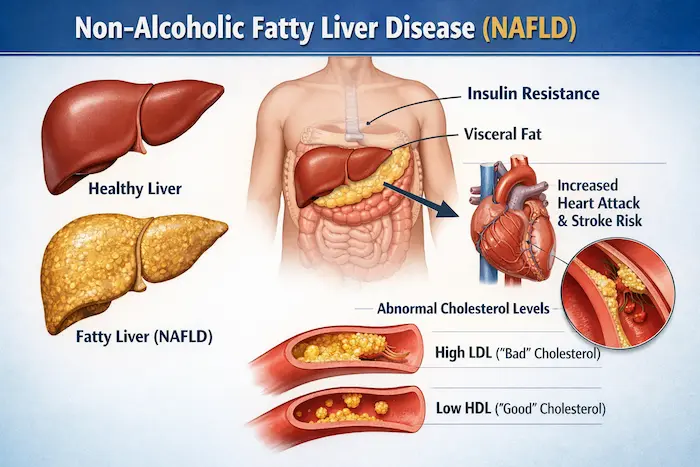
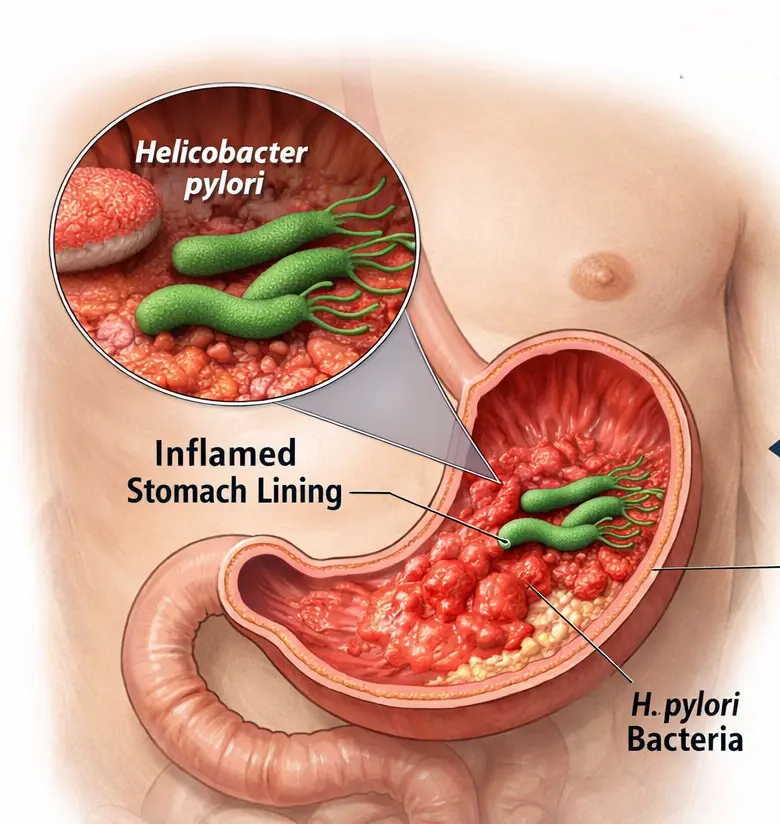
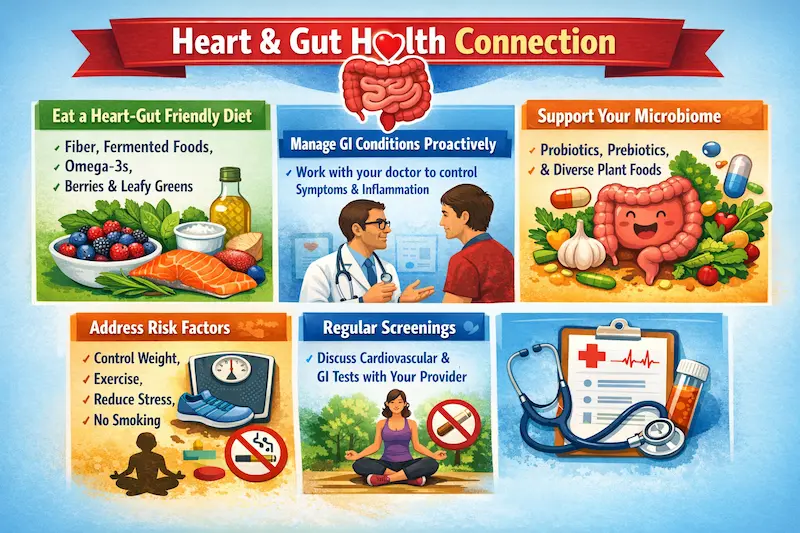
    The Gut-Heart Connection

    6baf0e37 fc57 4969 ba5e fa2c837e85c6
    ChatGPT Image Feb 3, 2026, 06 54 47 PM (1)
    ChatGPT Image Feb 3, 2026, 03 10 49 PM
    ChatGPT Image Feb 3, 2026, 03 22 38 PM
    ChatGPT Image Feb 3, 2026, 03 30 09 PM
    ChatGPT Image Feb 3, 2026, 03 32 05 PM

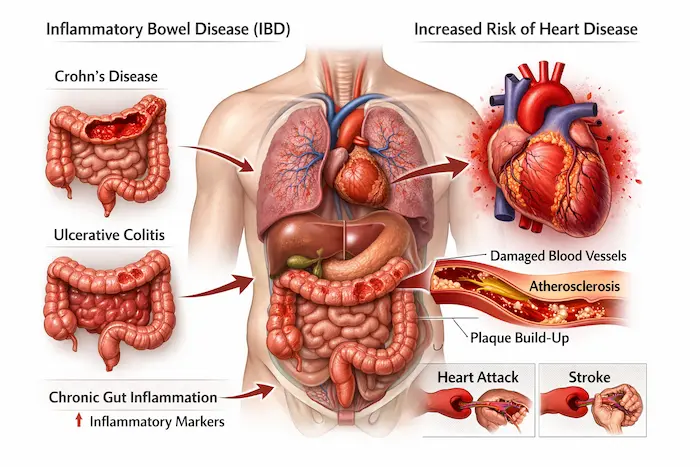
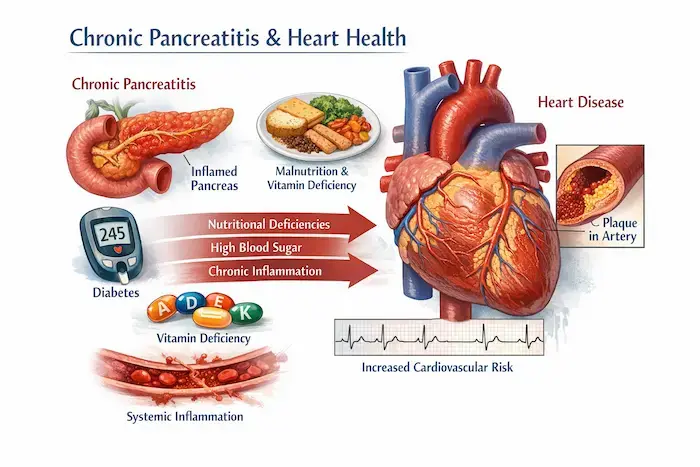
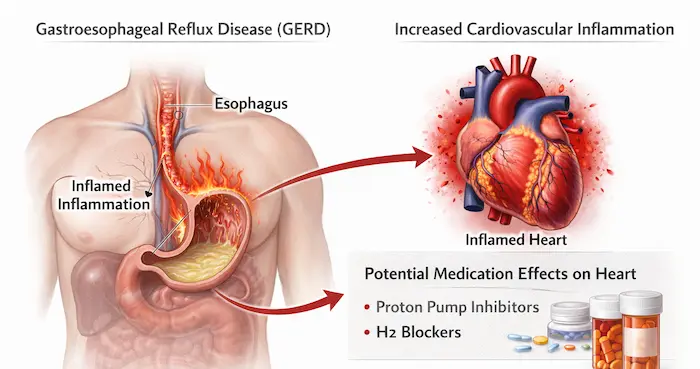
    How GI Problems Affect Heart Health

    Protecting Your Heart Through GI Health

    ChatGPT Image Feb 3, 2026, 03 11 34 PM

    The Bottom Line

  • Food Pipe (Esophageal) Cancer

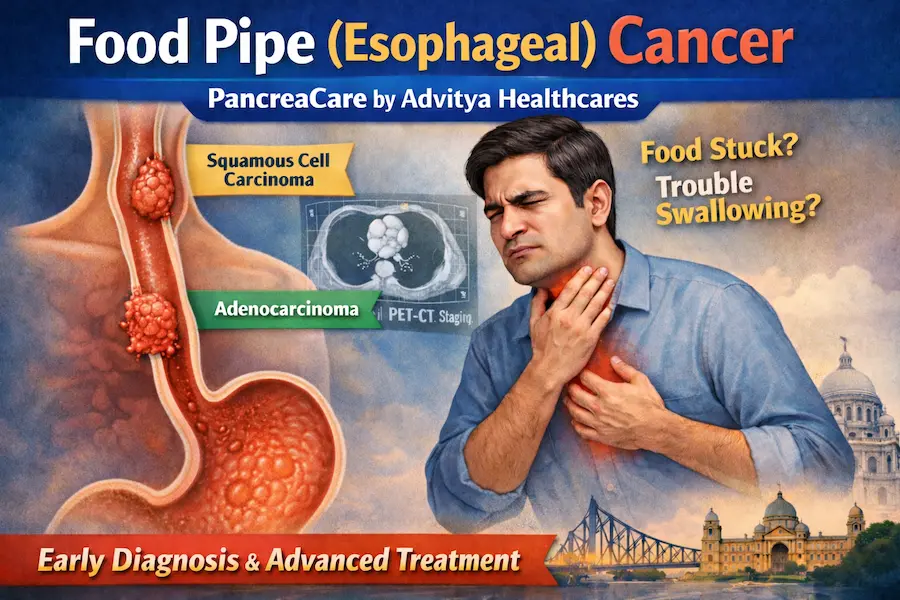
    Food Pipe (Esophageal) Cancer


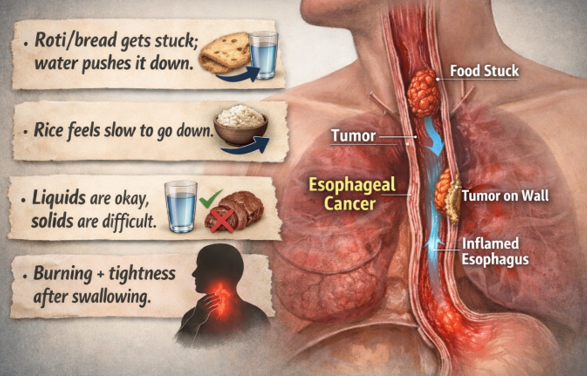
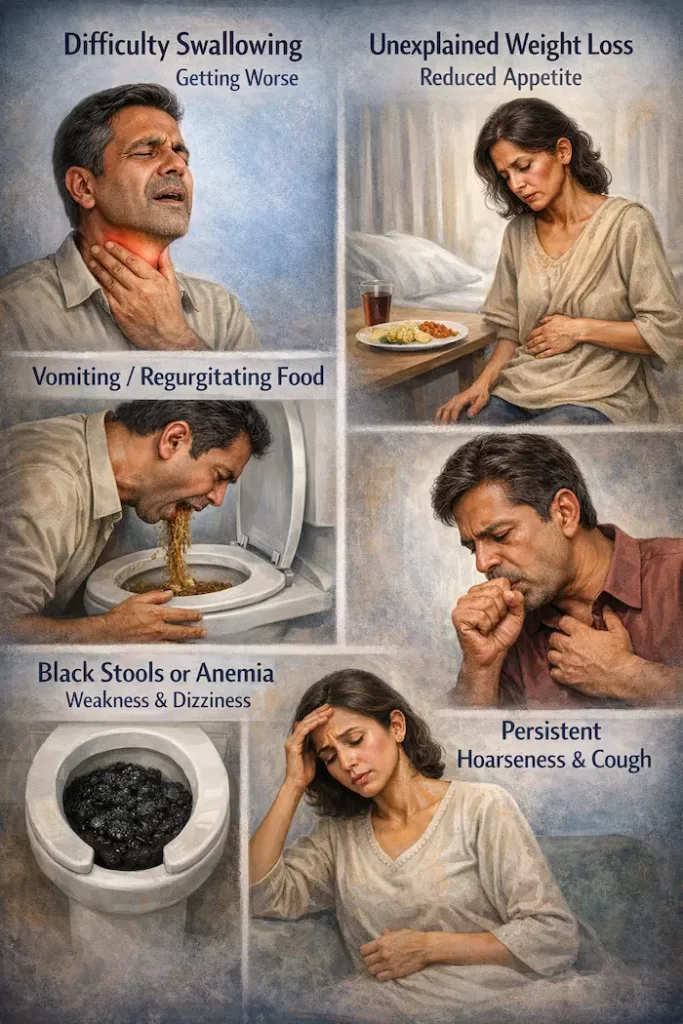
    The symptom that deserves respect: “food is sticking”

    Capture
    ChatGPT Image Jan 30, 2026, 03 42 33 PM

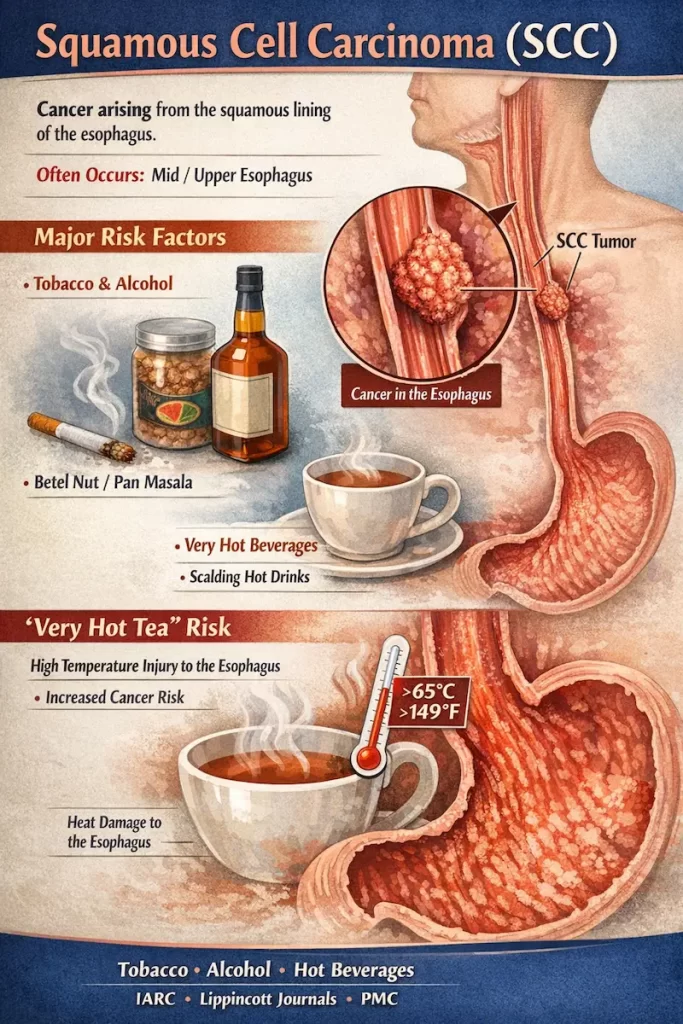
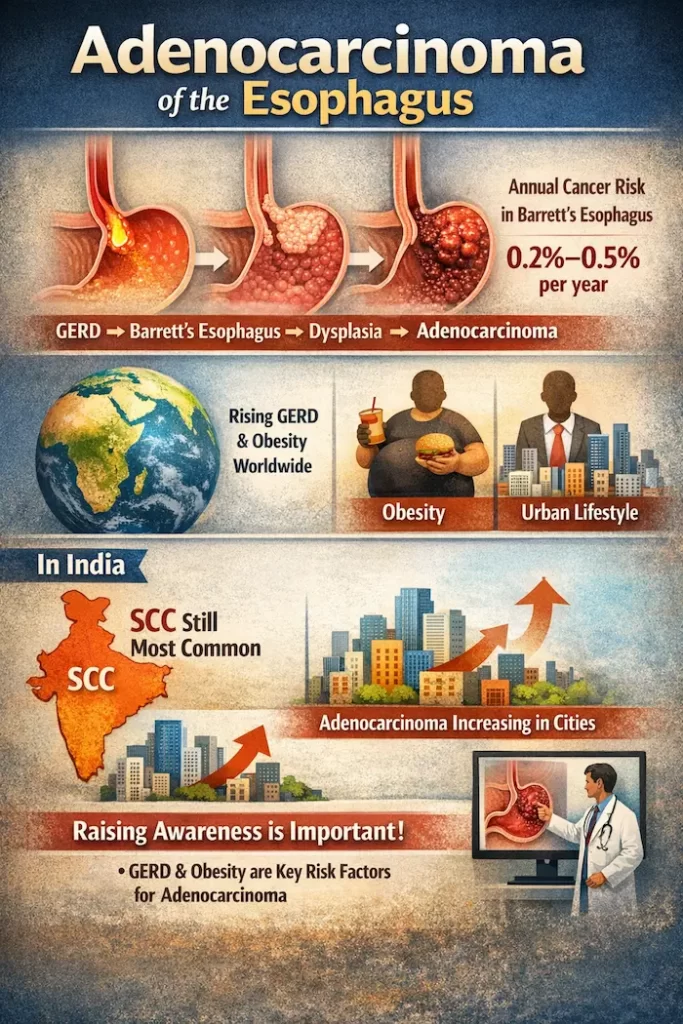
    Two main cancers of the food pipe: SCC vs Adenocarcinoma

    ChatGPT Image Jan 30, 2026, 04 02 20 PM

    ChatGPT Image Jan 30, 2026, 04 05 05 PM

    The “right” diagnosis roadmap
    (not guesswork)


    Treatment (what patients should understand before fear takes over)


    Kolkata risk checklist


  • Fatty Liver + Belly Fat: The Gut–Liver Connection Behind “Stubborn Weight

    Fatty Liver + Belly Fat: The Gut–Liver Connection Behind “Stubborn Weight

    PancreaCare by Advitya Healthcares

    If you’re in Kolkata and feeling like your belly fat won’t budge—even after cutting calories or walking every day—you’re not alone. Many people do “everything right” on the surface, yet the scale barely moves, the waistline stays the same, and fatigue keeps creeping in.

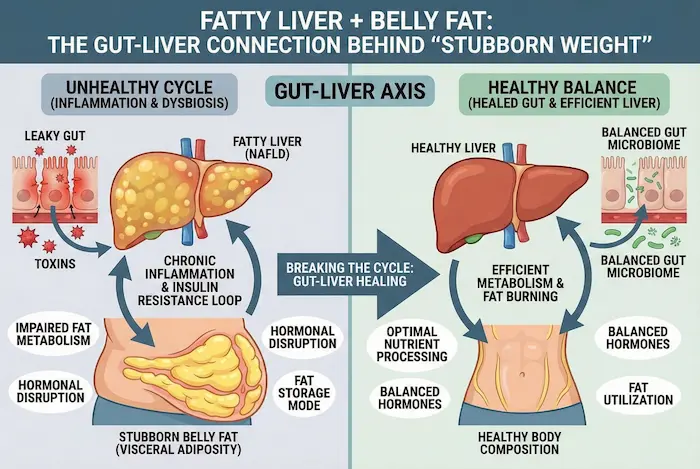
    One common (and often missed) reason: fatty liver + visceral (deep belly) fat, driven by a powerful internal loop called the gut–liver axis. In simple words: your gut, liver, and metabolism talk to each other all day. When that communication turns unhealthy, your body becomes more likely to store fat—especially around the abdomen—and less likely to burn it efficiently.

    This blog explains the gut–liver connection behind stubborn belly fat in a practical, Kolkata-friendly way.


    1) Fatty Liver + Belly Fat: Why They Often Come Together

    What is fatty liver?

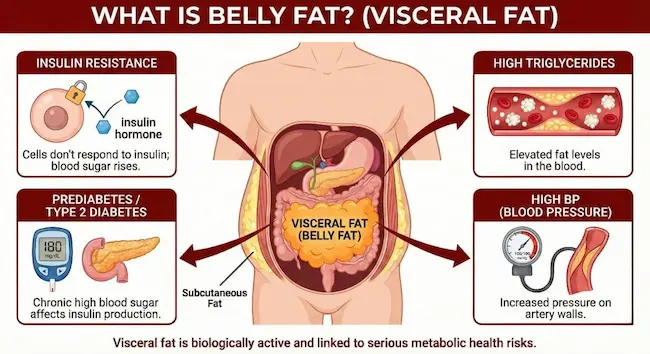
    Fatty liver (commonly NAFLD / MASLD) means excess fat gets stored inside liver cells. It can happen even if you don’t drink alcohol. It’s strongly linked with:

    5171f1a6 521f 42d2 a9ff a799027a7822
    • Belly fat (visceral fat)
    • Insulin resistance
    • High triglycerides
    • Prediabetes / Type 2 diabetes
    • High BP

    Why belly fat is “different fat”

    Belly fat isn’t just “extra weight.” Visceral fat sits deep around internal organs and behaves like an active hormone gland. It releases inflammatory signals that make:

    • insulin resistance worse
    • fatty liver worse
    • cravings and hunger regulation worse

    So fatty liver and belly fat often form a two-way cycle.


    2) The Gut–Liver Axis: The Hidden Metabolic Highway

    Your gut and liver are connected through the portal vein—a direct route that carries nutrients, bacteria by-products, and inflammatory compounds from intestines straight to the liver.

    When the gut environment is balanced, the liver receives mostly “safe” signals.
    When the gut is disturbed, the liver receives more:

    • inflammatory compounds
    • bacterial toxins (endotoxins)
    • excess sugar/fat metabolites

    This can trigger:

    • fat storage in liver
    • inflammation in liver
    • reduced fat-burning
    • more stubborn belly fat

    3) How Gut Problems Can Drive Fatty Liver & Stubborn Weight

    A) Dysbiosis (unhealthy gut microbiome)

    If “good bacteria” reduce and “harmful bacteria” increase, the body may:

    • extract more calories from the same food
    • increase inflammation
    • worsen insulin resistance

    B) Leaky gut (increased intestinal permeability)

    When the gut lining becomes more permeable, inflammatory particles can enter circulation and reach the liver, increasing:

    • liver inflammation
    • fat accumulation
    • metabolic slowdown

    C) Bloating, acidity, irregular bowel movements → not just “gas”

    In many Kolkata lifestyles (late dinners, tea + biscuits, weekend biryani, sweets), the gut can remain irritated—leading to cravings, poor sleep, and hormonal imbalance that indirectly pushes fat storage.


    4) Insulin Resistance: The Core Link Between Fatty Liver and Belly Fat

    Insulin is the hormone that moves glucose into cells.
    When the body becomes resistant to insulin:

    • blood sugar stays higher
    • the pancreas produces more insulin
    • high insulin pushes the body to store fat, especially visceral fat
    • liver converts excess glucose into fat (fatty liver)

    Key point: You can have insulin resistance even with “normal weight,” but it’s very common with belly fat.


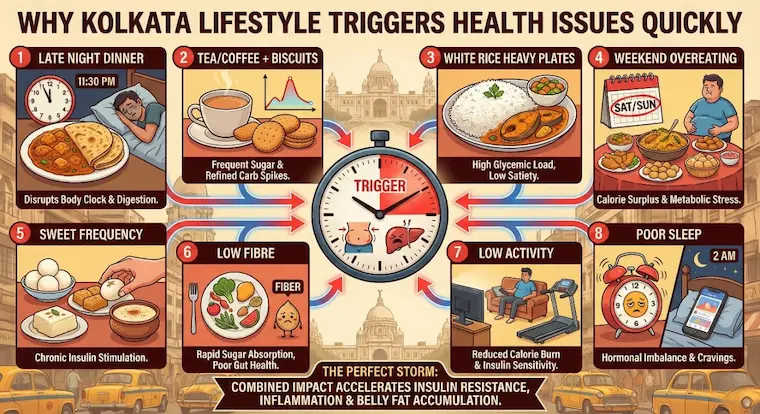
    5) Kolkata Lifestyle Triggers That Quietly Worsen the Gut–Liver Loop

    These are common patterns we see locally (no guilt—just awareness):

    3131e385 c214 4248 acfc 381bf42c5b06 (1)
    • Late-night dinner (after 9 pm) + sleeping soon after
    • Tea/coffee + biscuits multiple times daily (hidden sugar + refined flour)
    • White rice-heavy plates with low protein
    • Weekend overeating (biryani, rolls, fried snacks)
    • Sweet frequency (mishti, packaged sweets, desserts)
    • Low fiber (less vegetables/whole grains)
    • Low activity outside of work + long sitting hours
    • Poor sleep and high stress

    These don’t just add calories—they disrupt gut bacteria, insulin response, and liver fat metabolism.


    6) Signs That “Stubborn Weight” Might Be a Fatty Liver + Gut Issue

    Many people don’t feel anything early. But common clues include:

    • belly fat increasing even without big weight gain
    • constant fatigue / low energy
    • cravings, especially evening sugar cravings
    • bloating, acidity, irregular bowel habits
    • borderline high sugar (prediabetes) or triglycerides
    • mildly elevated liver enzymes (ALT/AST)
    • snoring/sleep issues (often linked with visceral fat)

    Important: Only a clinician can confirm diagnosis. But these signs can be a reason to get checked.


    7) What Tests Usually Help (Doctor-guided)

    Depending on your history, a doctor may advise:

    • LFT (liver function tests)
    • Ultrasound abdomen (fatty liver grading)
    • Fasting glucose, HbA1c
    • Fasting insulin / HOMA-IR (in selected cases)
    • Lipid profile (especially triglycerides)
    • Thyroid profile (if indicated)
    • Fibrosis assessment (FibroScan or non-invasive scoring) if risk is high

    8) The Fix: Heal the Gut–Liver Loop (Not Just “Eat Less”)

    The best strategy is not crash dieting. It’s metabolic correction.

    A) Build a “liver-friendly plate” (simple)

    Aim each meal to have:

    • Protein: fish/egg/chicken/dal/paneer/curd
    • Fiber: vegetables + salads
    • Smart carbs: controlled rice/roti portion
    • Healthy fats: small amounts (mustard oil, nuts)

    Rule that works:
    ½ plate vegetables + ¼ protein + ¼ carbs

    B) Kolkata-friendly food swaps (practical)

    1769081101195 (1)
    If you usually eat…Try this instead…
    2–3 cups white rice1 cup rice + extra dal/veg + protein
    Tea + biscuits dailyTea + roasted chana / nuts / egg / fruit
    Late heavy dinnerEarly lighter dinner + walk 10–15 min
    Fried snacks oftenAir-fried / roasted snacks; keep fried as occasional
    Sweets after dinnerShift sweet to daytime; keep portion small

    C) Improve gut bacteria (simple habits)

    • Add curd (dahi) if tolerated
    • Add fiber slowly (veg, oats, chia, seeds)
    • Include fermented foods in small amounts if suitable
    • Reduce ultra-processed foods (packaged snacks, sugary drinks)

    (If you have IBS, acidity, or food intolerances, don’t self-experiment aggressively—personalized guidance helps.)

    D) Walking is good, but add strength (belly fat responds faster)

    To reduce visceral fat, add strength training 3x/week (even at home):

    • squats, lunges, push-ups (modified), resistance bands
    • 20–30 minutes is enough to start

    Strength training improves:

    • insulin sensitivity
    • muscle mass (metabolic engine)
    • fat burning even at rest

    E) Sleep & stress (underrated but crucial)

    Poor sleep increases:

    • hunger hormones
    • sugar cravings
    • insulin resistance

    Kolkata-friendly tip:
    Try a “closing routine” after dinner:
    10–15 min walk + warm water + screens off 30–45 min before bed.


    9) A Sample 1-Day Kolkata-Friendly Plan (Easy to Follow)

    WhatsApp Image 2026 01 22 at 4.20.20 PMd

    Morning

    • Warm water
    • Breakfast: 2 eggs + veggies / or dal cheela / or curd + nuts + fruit (small portion)

    Midday

    • Lunch: 1 cup rice + dal + big veg portion + fish/chicken/paneer
    • Optional: salad

    Evening

    • Tea + roasted chana / boiled egg / peanuts (not biscuits daily)

    Night (early)

    • Dinner: roti + sabzi + protein OR soup + protein + veg
    • 10–15 min walk

    Weekly rule: Keep biryani/roll/mishti—just make it planned, not random and frequent.


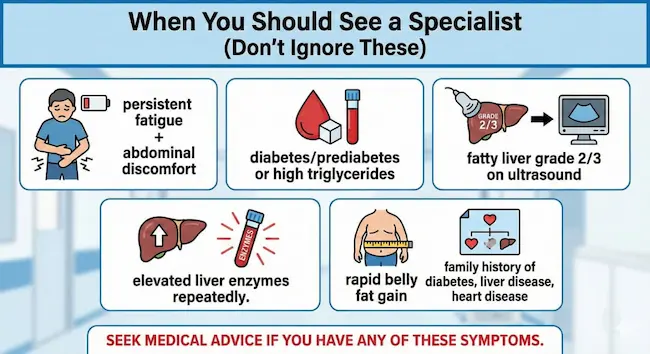
    10) When You Should See a Specialist (Don’t Ignore These)

    Seek medical advice if you have:

    • persistent fatigue + abdominal discomfort
    • diabetes/prediabetes or high triglycerides
    • fatty liver grade 2/3 on ultrasound
    • elevated liver enzymes repeatedly
    • rapid belly fat gain
    • family history of diabetes, liver disease, heart disease
    WhatsApp Image 2026 01 22 at 4.28.34 PM

    PancreaCare by Advitya Healthcares (Kolkata Focus): How We Help

    At PancreaCare by Advitya Healthcares, we focus on gut–liver–metabolic health with a structured approach—so you’re not stuck doing random diets.

    A doctor-guided plan may include:

    • understanding your fatty liver risk and metabolic profile
    • identifying gut triggers (bloating, acidity, bowel irregularity)
    • lifestyle + nutrition guidance that fits Kolkata food habits
    • monitoring liver health and preventing progression

    If your “stubborn weight” is really a gut–liver issue, the solution is not punishment—it’s correction.


    FAQ (Quick Answers)

    1) Can fatty liver happen if I don’t drink alcohol?
    Yes. Non-alcoholic fatty liver is very common and often linked to belly fat and insulin resistance.

    2) Can I reduce fatty liver without losing a lot of weight?
    Often, yes. Even 5–10% weight reduction and better insulin sensitivity can significantly improve liver fat.

    3) Is rice completely banned in fatty liver?
    Not necessarily. Portion control + protein + vegetables matters more than “zero rice.”

    4) Does bloating mean fatty liver?
    Not always. But gut disturbance and fatty liver can coexist and worsen each other.


    Medical Disclaimer

    This blog is for general awareness and does not replace medical consultation, diagnosis, or treatment. If you have persistent symptoms or abnormal test reports, please consult a qualified doctor.

  • Good vs Bad Winter Vegetables for Gut Health. What Helps Gas/Acidity & What Triggers It

    Good vs Bad Winter Vegetables for Gut Health. What Helps Gas/Acidity & What Triggers It


    Why some vegetables cause gas or acidity

    ChatGPT Image Jan 10, 2026, 05 38 50 PM

    What does “cruciferous” mean?


    The Kolkata winter rule for gut-friendly vegetables


    Quick Guide: Good vs Trigger Veggies (and how to eat them)


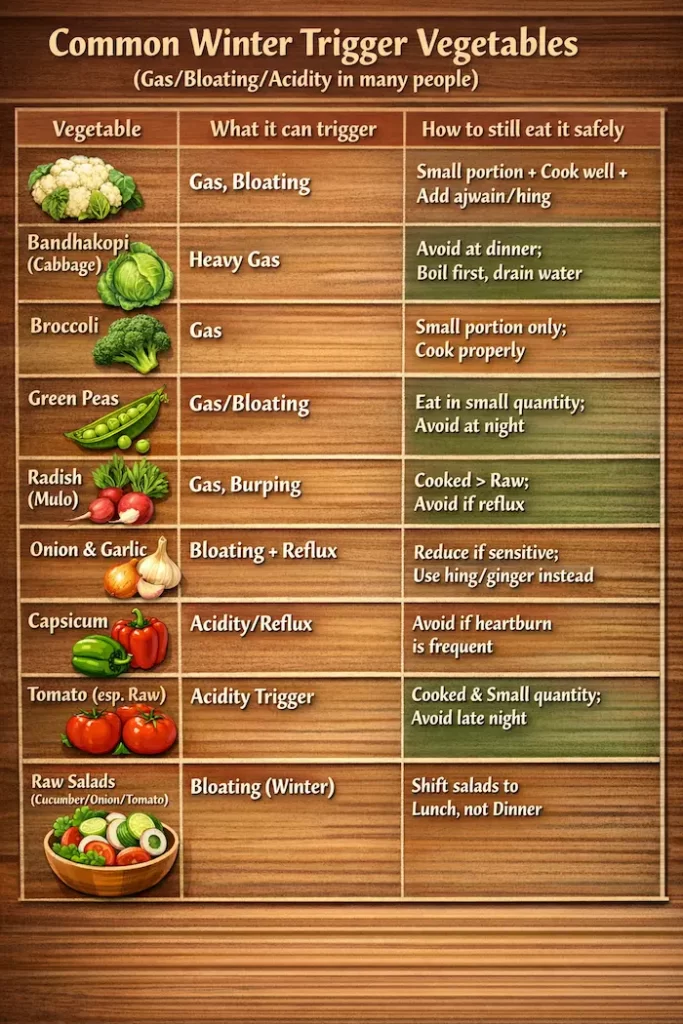
    Common winter trigger vegetables (gas/bloating/acidity in many people)

    ChatGPT Image Jan 10, 2026, 05 44 31 PM

    Best winter vegetables for GAS (bloating/flatulence)

    ChatGPT Image Jan 10, 2026, 06 01 04 PM

    Best winter vegetables for ACIDITY (heartburn/reflux)

    ChatGPT Image Jan 10, 2026, 06 03 43 PM

    “But Kolkata food needs flavor” — yes, you can still eat tasty and gut-safe


    Portion guide (simple and practical)


    1-day sample winter plate (Indian Bengali-style Thali – Kolkata-friendly)


    Mini “Kolkata winter gut” upgrades
    • Hing + cumin in most sabzi
    • Ajwain when eating cauliflower/cabbage
    • Ginger in light gravies/sabzi
    • Mustard oil is fine—just use less (too much oil = acidity trigger)


    When gas/acidity is NOT normal (see a doctor)


    FAQs


    Quick takeaway
    • For gas: choose bottle gourd/pumpkin/gourds + cook cruciferous veggies well + use hing/ajwain
    • For acidity: keep dinner light, avoid tomato-heavy spicy food, reduce tea/fried combos
    • Cooked vegetables + small portions + warm meals = winter gut win

  • Expert Advice for Complete Recovery After Pancreatic Cancer – From PancreaCare By Advitya Healthcares

    Expert Advice for Complete Recovery After Pancreatic Cancer – From PancreaCare By Advitya Healthcares

    By PancreaCare By Advitya Healthcares — complete solutions for all pancreas problems in Ranchi, Jharkhand, Bokaro

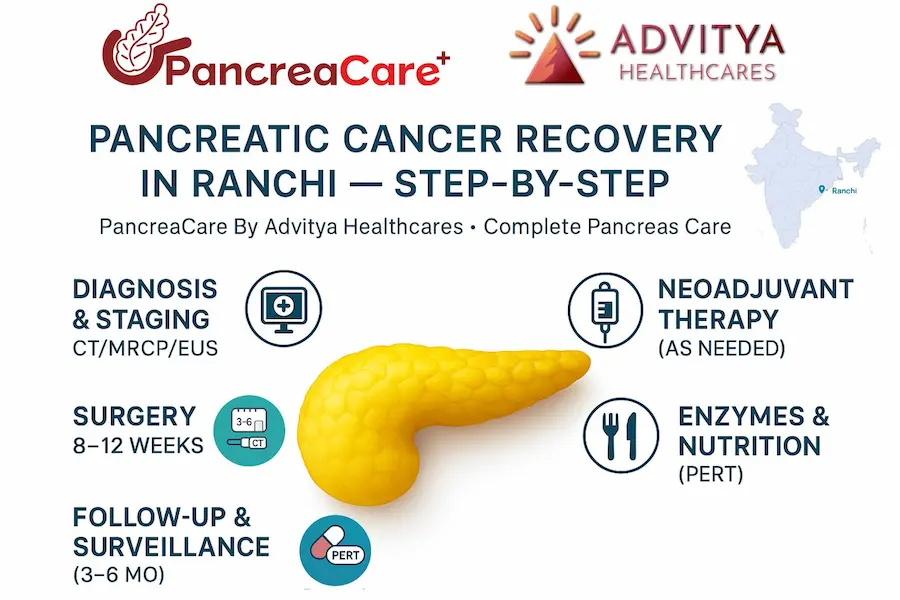
    If you or a loved one in Ranchi, Jharkhand, Bokaro is aiming for a full recovery after pancreatic cancer, a clear roadmap makes every decision easier. This guide explains the typical sequence—from diagnosis and surgery to nutrition, adjuvant therapy, rehab, and follow-up—so you know what to expect and how PancreaCare By Advitya Healthcares supports you locally in Ranchi, Jharkhand, Bokaro and nearby areas (Harmu, Doranda, Bariatu, Morabadi, Kanke, Namkum, Ratu Road, Hinoo).

    1) Staging and first visit in Ranchi, Jharkhand, Bokaro

    Recovery starts with accurate staging. At your first visit in Ranchi, Jharkhand, Bokaro, we review prior reports and arrange protocol-driven imaging: contrast CT, MRI/MRCP, and EUS when needed. Blood tests (including CA 19-9) help classify disease as resectable, borderline resectable, locally advanced, or metastatic. A multidisciplinary tumor board (surgery, medical oncology, radiation oncology, radiology, gastroenterology, pathology, dietetics) then decides the safest, most effective plan—surgery first, neoadjuvant therapy, or a clinical trial. Getting this step right avoids delays and unnecessary travel outside Ranchi, Jharkhand, Bokaro.

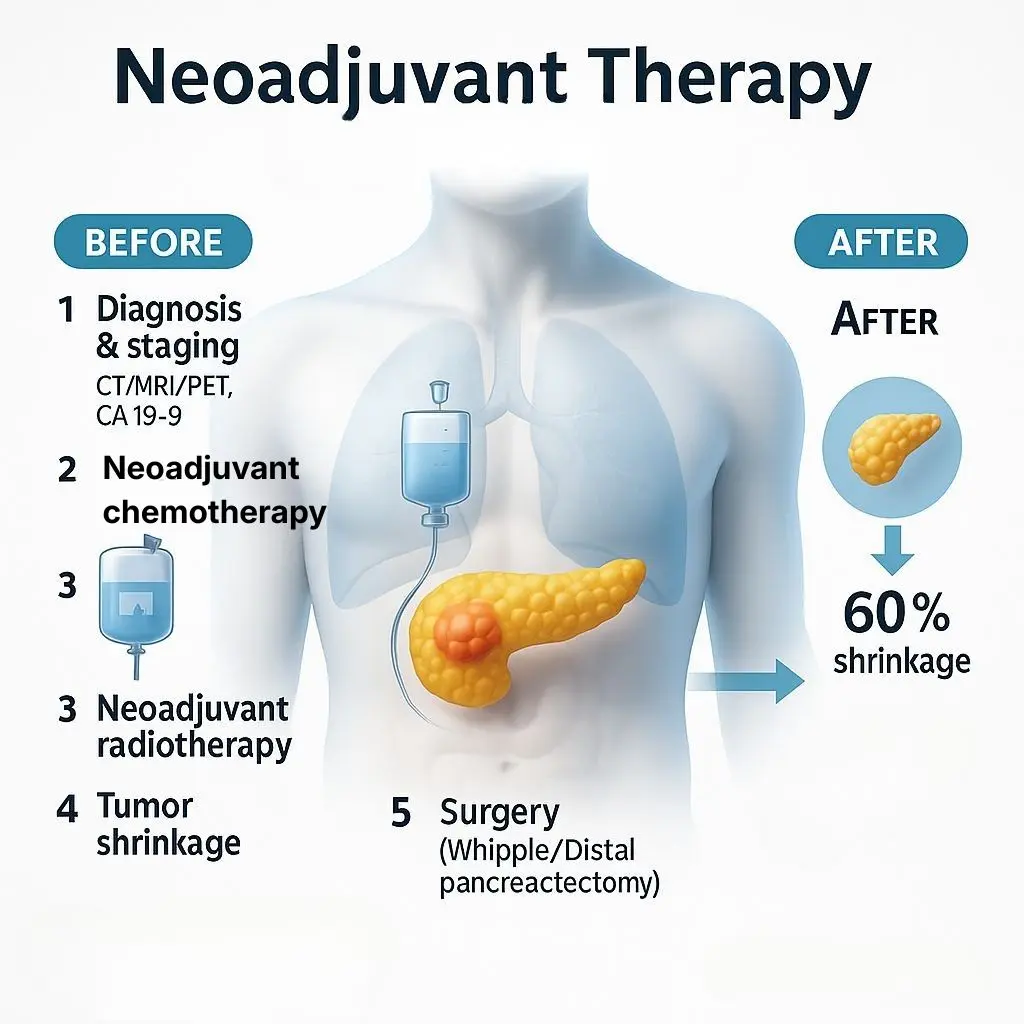
    2) Neoadjuvant therapy—when treatment comes before surgery

    Neoadjuvant Theraphy Image by PancreaCare By Advitya Healthcares
    Neoadjuvant Theraphy Image by PancreaCare

    If the tumor touches key blood vessels or the biology looks aggressive, chemotherapy (sometimes chemoradiation) before surgery can shrink disease, treat micrometastases early, and test responsiveness. We track progress with scans every 8–12 weeks and trend CA 19-9. Many Ranchi, Jharkhand, Bokaro patients appreciate that this phase can be coordinated close to home, with our team guiding side-effect control, enzyme timing, and nutrition.

    3) Curative surgery—your best chance at long-term control

    For operable cases, surgery offers the strongest chance of durable remission. The operation depends on location:

    • Whipple (pancreaticoduodenectomy) for head/uncinate tumors
    • Distal pancreatectomy (often with splenectomy) for body/tail tumors
    • Total pancreatectomy in selected situations

    What recovery looks like: monitored post-op care, early walking, breathing exercises, and a stepwise return to oral diet. Enhanced-Recovery-After-Surgery (ERAS) pathways—pain control, anti-clot measures, early feeding when safe—help reduce complications and speed discharge. If you live outside central Ranchi, Jharkhand, Bokaro, we coordinate logistics so follow-ups remain smooth.

    Nutrition, enzymes, and glucose after surgery

    Because surgery changes how bile and enzymes mix with food, some people develop pancreatic exocrine insufficiency (PEI)—oily stools, gas, bloating, and weight loss despite good intake. Pancreatic enzyme replacement therapy (PERT), taken with meals/snacks, restores digestion, improves energy, and supports weight gain. If a large portion of the pancreas is removed, blood sugar can fluctuate; an individualized diabetes plan (monitoring, diet, tablets/insulin) keeps it steady. Our Ranchi, Jharkhand, Bokaro dietitians design small, frequent, protein-rich meals, hydration goals, and vitamin support tailored to your tolerance.

    4) Adjuvant therapy—lowering the risk of recurrence

    After sufficient healing (commonly 6–8 weeks post-op), most patients are considered for adjuvant chemotherapy to reduce relapse risk. Regimens, duration, and start dates depend on stage, margins, nodes, and overall fitness. If you already received neoadjuvant therapy, your post-op plan is adjusted to complete the optimal total course. Our Ranchi, Jharkhand, Bokaro team focuses on timely starts, proactive side-effect management, and maintaining strength so you can finish treatment as planned.

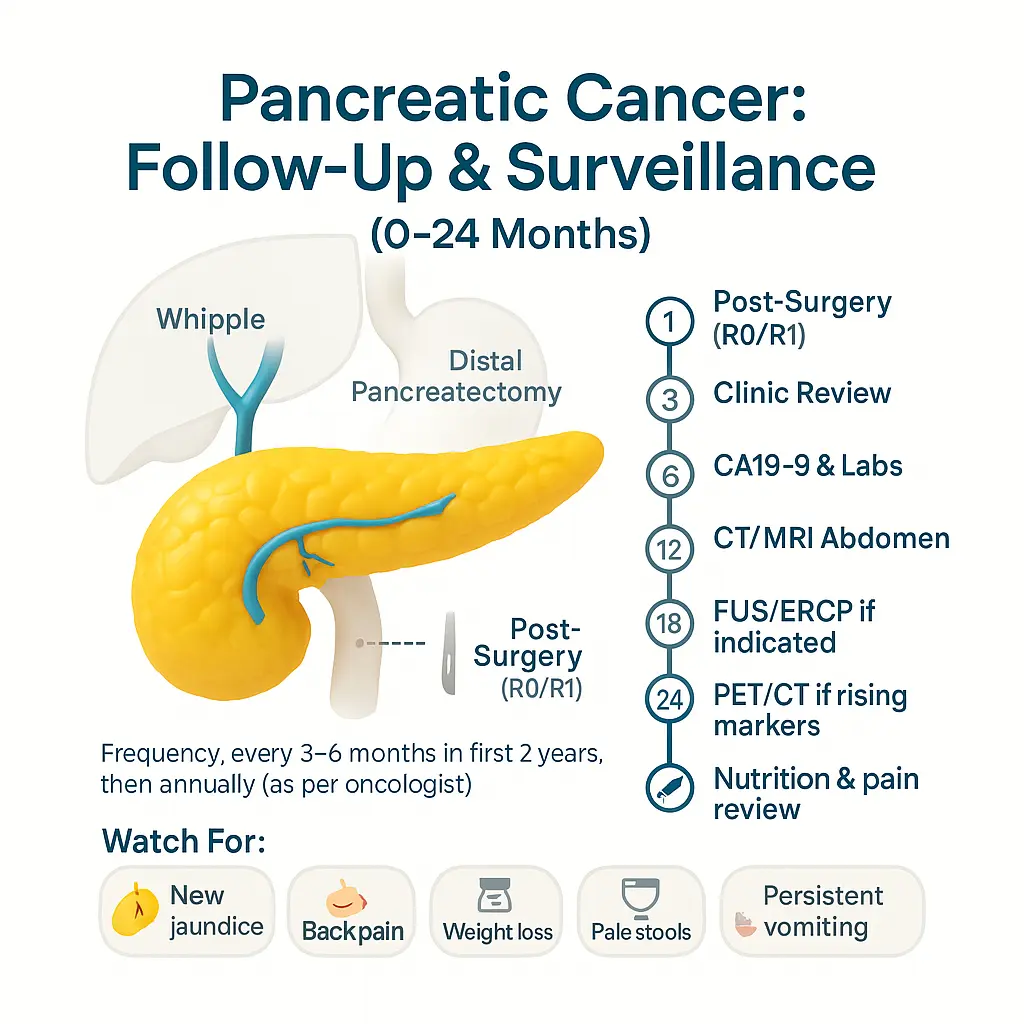
    5) Follow-up & surveillance

    A structured follow-up plan is your safety net:

    Pancreatic Cancer Follow-up and Surveiliance
    Pancreatic Cancer Follow-up and Surveiliance
    • Every 3–6 months for years 0–2: clinic review, labs, CA 19-9, and CT/MRI as indicated
    • Every 6–12 months for years 3–5 (or as advised)
      Between visits, call if you notice new jaundice, persistent back/abdominal pain, unexplained weight loss, greasy stools, or new-onset diabetes. We also provide survivorship guidance—vaccines if your spleen was removed, bone/muscle health, return-to-work planning, and mental-health support right here in Ranchi, Jharkhand, Bokaro.

    6) Day-to-day recovery: rehab, lifestyle, and support

    • Activity: Begin with short walks and breathing exercises; build to light resistance and aerobic sessions as cleared. Movement improves gut motility, sleep, and mood.
    • Diet: Protein-forward meals; trial fats carefully; time expandwith food. Consider lactose-free or low-fat options if symptomatic.
    • Tracking: Keep a simple diary (stools, weight, appetite, glucose). It helps your clinicians fine-tune enzymes, nutrition, and medicines.
    • Emotional health: Fatigue and “scanxiety” are common. Counseling, caregiver involvement, and peer groups in Ranchi, Jharkhand, Bokaro can make a real difference.


    Why choose PancreaCare By Advitya Healthcares in Ranchi, Jharkhand, Bokaro

    • End-to-end pancreas care in Ranchi, Jharkhand, Bokaro: from first consult to survivorship
    • Evidence-based diagnostics: CT/MRI/MRCP/EUS with standardized protocols
    • Advanced endoscopy & stenting for jaundice/obstruction
    • High-volume pancreatic surgery with ERAS pathways
    • Medical & radiation oncology tailored to your case
    • Nutrition, pain & diabetes care, and structured follow-up
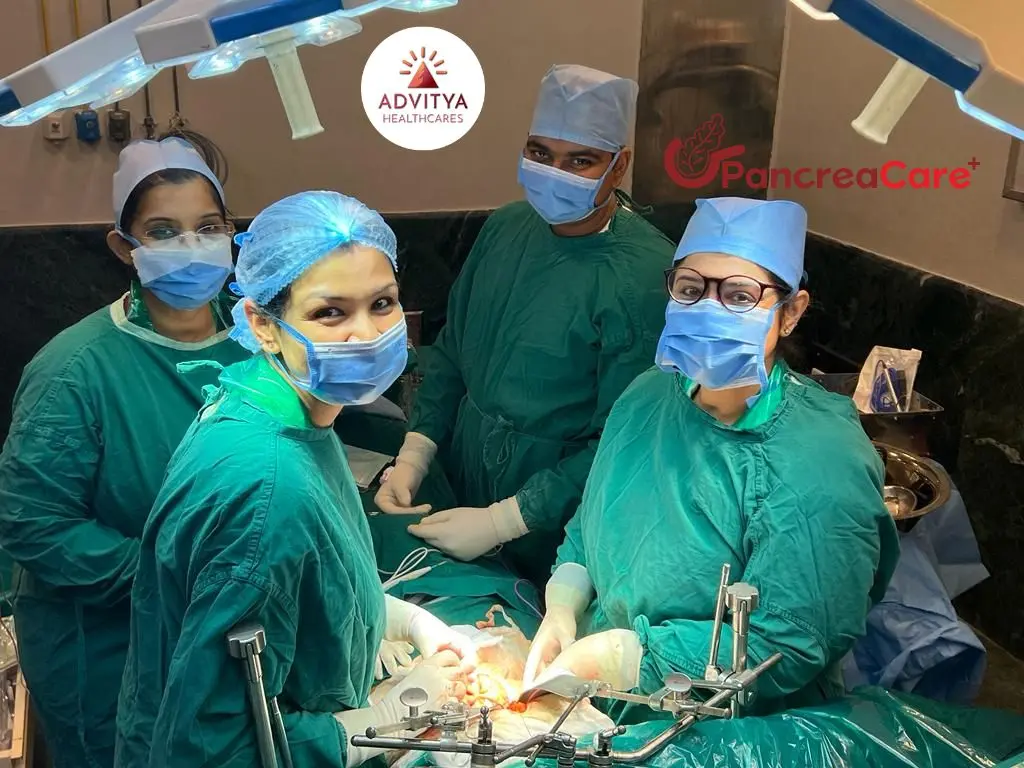
    Doctors Of PancreaCare By Healthcares
    Doctors at PancreaCare By Healthcares

    If you’re in Ranchi, Jharkhand, Bokaro and experiencing persistent upper abdominal/back pain, jaundice, greasy stools, weight loss, or new-onset diabetes, don’t delay—early evaluation changes outcomes.


    Call to action (Ranchi, Jharkhand, Bokaro)

    Book an in-person or video consult with PancreaCare By Advitya Healthcares in Ranchi, Jharkhand, Bokaro. We’ll map your sequence—diagnostics → treatment → rehab → surveillance—and walk with you through every milestone.


  • Chronic Pancreatitis: When Inflammation Becomes Permanent

    Chronic Pancreatitis: When Inflammation Becomes Permanent

    What is Chronic Pancreatitis?

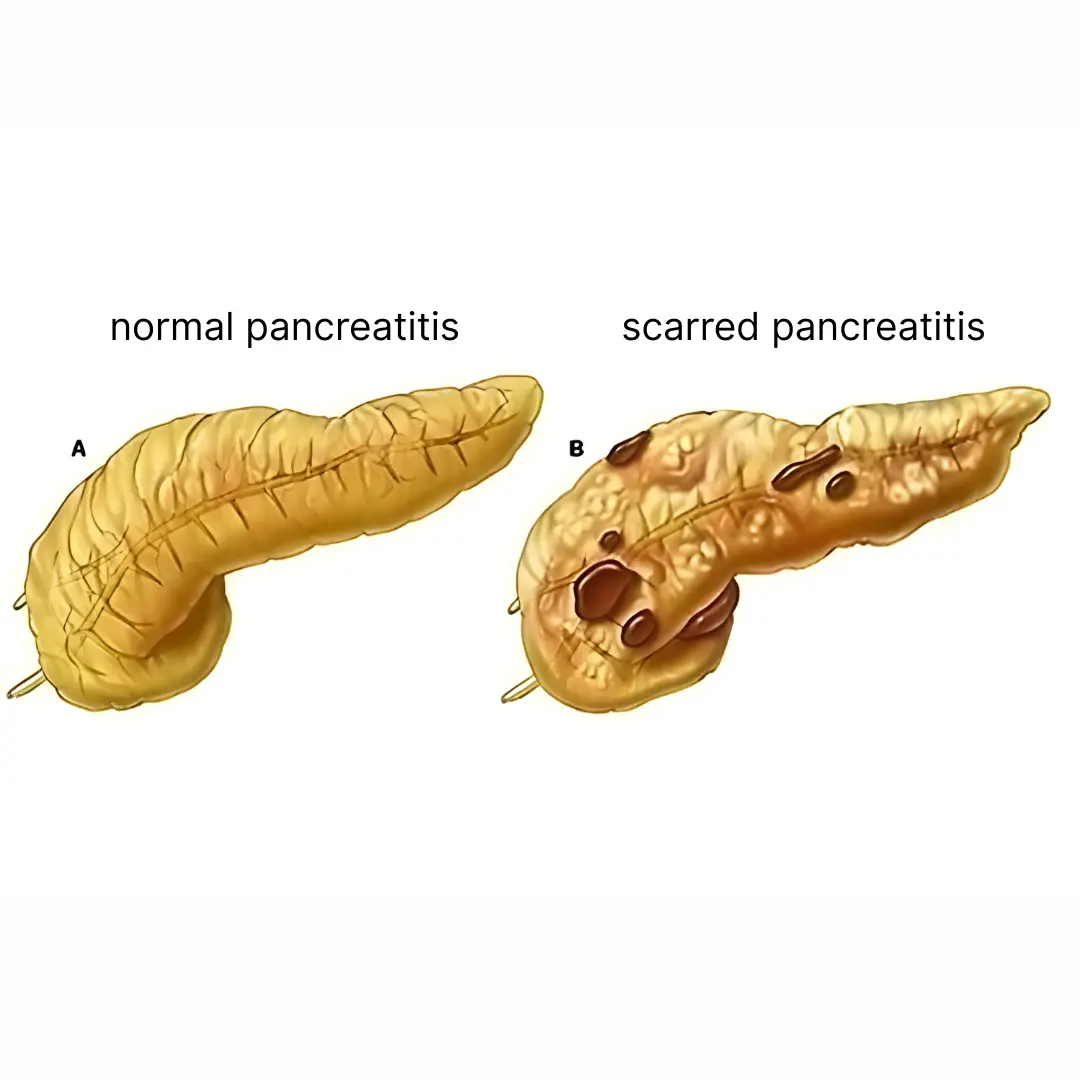
    Chronic pancreatitis is a long-term, progressive inflammation of the pancreas. Unlike acute attacks, the damage is irreversible.

    Over time, the pancreas becomes scarred and loses its ability to make enzymes and insulin — leading to digestive problems and diabetes.

    Causes

    • Alcohol abuse (most common in adults)

    • Genetic mutations (PRSS1, SPINK1, CFTR)

    • Smoking

    • Autoimmune pancreatitis

    • Obstructive causes (strictures, tumors)

    • Idiopathic (unknown)

    Symptoms

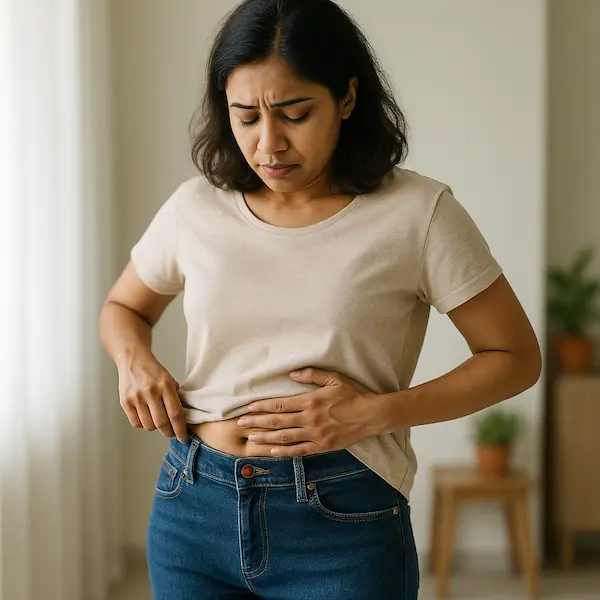
    • Persistent/recurrent upper abdominal pain (radiates to back)

    • Indigestion, bloating, diarrhea

    • Steatorrhea (oily, foul-smelling stools)

    • Unexplained weight loss

    • Diabetes in later stages

    Patient showing weight loss and digestive issues Adviya healthcare

    Diagnosis

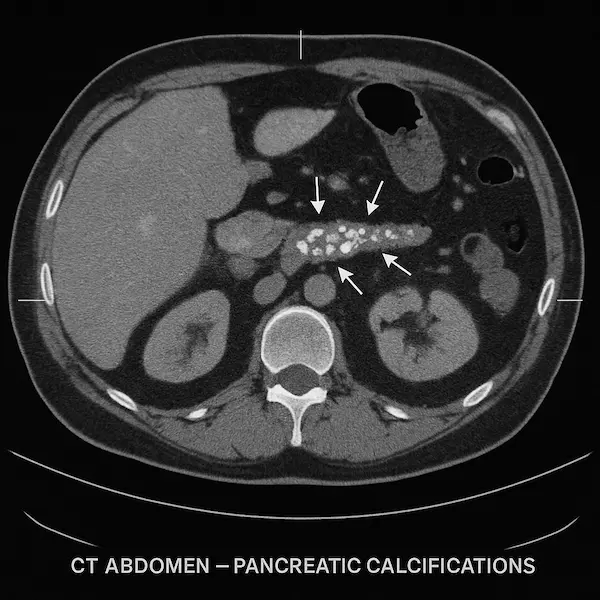
    • CT, MRI, MRCP: Show scarring, duct dilation, calcifications

    • Endoscopic ultrasound (EUS): Detects early fibrosis

    • Stool elastase test: Measures enzyme deficiency

    • Blood sugar tests: Screen for diabetes

    CT scan showing calcified pancreas , advitya healthcare

    Treatment

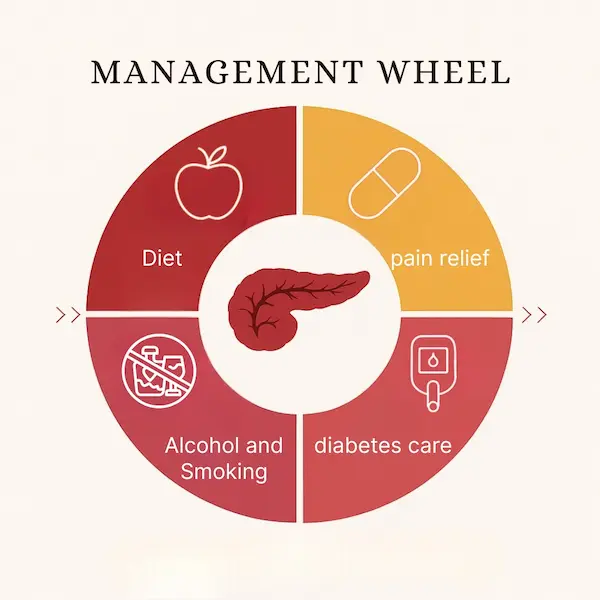
    There is no cure, but management includes:

    • No alcohol, no smoking

    • Pancreatic enzyme supplements (PERT)

    • Pain management (medications, nerve blocks, surgery)

    • Nutritional support (high-protein, low-fat diet, vitamins)

    • Diabetes management (insulin or oral agents)

    Management wheel — enzymes, diet, pain relief, diabetes care Advitya healthcare

    Complications

    • Severe malnutrition

    • Osteoporosis

    • Chronic pain and opioid dependence

    • Pancreatic cancer risk

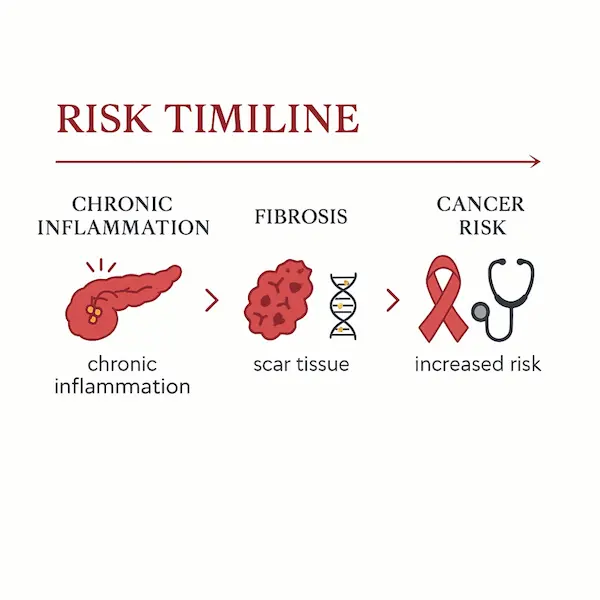
    Risk timeline — chronic inflammation → cancer risk Advitya Healthcare

    Takeaway

    Chronic pancreatitis is lifelong, but with the right care, many patients live well. Absolute alcohol and smoking cessation, enzyme supplements, and follow-up care are essential.

    Patient eating healthy with enzymes beside plate, caption 'Living Well with Chronic Pancreatitis' Advitya healthcare
  • Understanding Multidisciplinary Teams (MDT) in Abdominal Sarcoma Care

    Understanding Multidisciplinary Teams (MDT) in Abdominal Sarcoma Care

    What isa Multidisciplinary Team (MDT) mean?

    Multidisciplinary Team (MDT) is a group of healthcare professionals from different specialties who work together to plan and deliver the best possible care for a patient.

    When treating complex conditions like abdominal sarcomas, no single doctor can handle every aspect of care. That’s where the MDT comes in.

    Who is in the MDT?

    Depending on the case, the team may include:

    • Surgeons – to plan and perform any necessary operations
    • Medical Oncologists – to advise on chemotherapy or targeted treatments
    • Radiation Oncologists – if radiation therapy is needed
    • Radiologists – to interpret imaging studies like CT or MRI scans
    • Pathologists – to study biopsy results and confirm the diagnosis
    • Nurses and Care Coordinators – to support and guide you through treatment
    • Physiotherapists, Dietitians, and Psychologists – as needed, to help with recovery and well-being

    Why It Matters:

    An MDT ensures that all aspects of your care are considered from different medical viewpoints. It leads to better decisions, more personalised treatment, and a higher chance of success.

    How do patients fare in the long run?

    Prognosis refers to the likely outcome of the disease—how it may progress and how well a person is expected to fare after treatment.

    The prognosis for abdominal sarcoma can vary widely depending on several factors:

    Factors That Affect Prognosis:

    • Type of Sarcoma: Some types, like GIST with specific mutations, respond well to targeted treatment, while others may be more aggressive.
    • Tumour Size and Location: Smaller tumours that can be removed entirely tend to have a better outcome.
    • Surgical Margins: If the tumour is removed with clear margins (no cancer cells left at the edges), the chance of cure or long-term control is higher.
    • Spread of Disease: If the sarcoma has spread (metastasised), treatment becomes more complex, and long-term control is more challenging.
    • Patient’s Age and General Health: Younger and healthier patients usually tolerate treatment better and may have better outcomes.

    The Good News:

    • Many abdominal sarcomas, if detected early and appropriately treated by a specialised team, can be effectively managed or cured.

    • Even in advanced cases, treatment can help control the disease, relieve symptoms, and improve quality of life.

    Follow-Up Is Key

    Regular follow-up scans and check-ups are essential, as some sarcomas can come back (recur) after treatment. Early detection of recurrence offers better chances of successful treatment again.

    FAQs

    Are abdominal sarcomas cancerous?

    Yes. Abdominal sarcomas are a type of cancer that originates in the soft tissues of the abdomen, including fat, muscle, and connective tissue. They are rare but can be serious, especially if not treated early. Some related tumours, like desmoid tumours, are not considered cancer, but they can behave aggressively and may still require treatment.

    Can abdominal sarcoma be cured?

    Yes, in many cases. If detected early and obliterated with surgery, some abdominal sarcomas can be cured. Even if a cure is not possible, treatments like chemotherapy, radiation, or targeted therapy can help control the disease and improve quality of life. Long-term follow-up is crucial for monitoring recurrence.
    What symptoms should I watch for?

    Abdominal sarcomas may not cause symptoms in the early stages. As they grow, you may notice:

    • A lump or swelling in the abdomen
    • Abdominal discomfort or pain
    • Feeling full quickly
    • Unexplained weight loss

    If you have any of these symptoms for more than a few weeks, it’s important to see a doctor for evaluation.

    Can abdominal sarcomas come back after treatment?

    Yes, abdominal sarcomas can sometimes come back (recur) even after successful treatment. The risk of recurrence depends on factors like the type of sarcoma, size, how completely it was removed, and whether it had spread.

    This is why regular follow-up with scans and check-ups is very important. Early detection of recurrence gives doctors a better chance to treat it effectively again.

  • Abdominal Sarcomas: What You Need to Know About Diagnosis and Treatment?

    Abdominal Sarcomas: What You Need to Know About Diagnosis and Treatment?

    How Are Sarcomas Diagnosed?

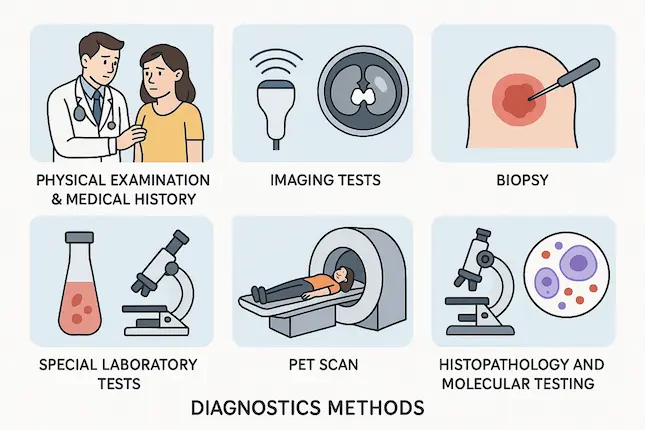
    Advitya healthcares abdominal sarcomas: what you need to know about diagnosis and treatment?

    Diagnosing an abdominal sarcoma involves several steps, as these tumours are rare and often located deep inside the body. Here’s how doctors typically find out what’s going on:

    1. Physical Examination & Medical History
      Your doctor may start by asking about symptoms such as pain, swelling, or a lump in the abdomen and then perform a physical examination.
    2. Imaging Tests
      • Ultrasound: Often the first test used if a lump or swelling is suspected.
      • CT Scan or MRI: These provide detailed images of the inside of the abdomen, helping doctors understand the size, location, and extent of the tumour.
    1. Biopsy
      A biopsy may help to confirm the diagnosis. A small sample of the tumour is taken, usually with a needle under imaging guidance, and examined under a microscope to determine the type of sarcoma.
    2. Special Laboratory Tests
      The biopsy sample may also undergo additional tests, such as immunohistochemistry or genetic analysis, to help pinpoint the exact type of sarcoma or soft tissue tumour.
    3. PET Scan (in selected cases)
       This test may be done to check if the tumour has spread to other parts of the body.
    4. Histopathology and Molecular Testing
      Histopathology involves examining the tumor tissue under a microscope to identify the specific type of sarcoma and its characteristics, while molecular testing analyzes the genetic makeup and protein markers of the tumor cells. These detailed analyses are crucial for determining the most effective treatment approach, as different sarcoma subtypes respond differently to various therapies like targeted drugs or chemotherapy.

    What will be included in the treatment of an abdominal sarcoma?

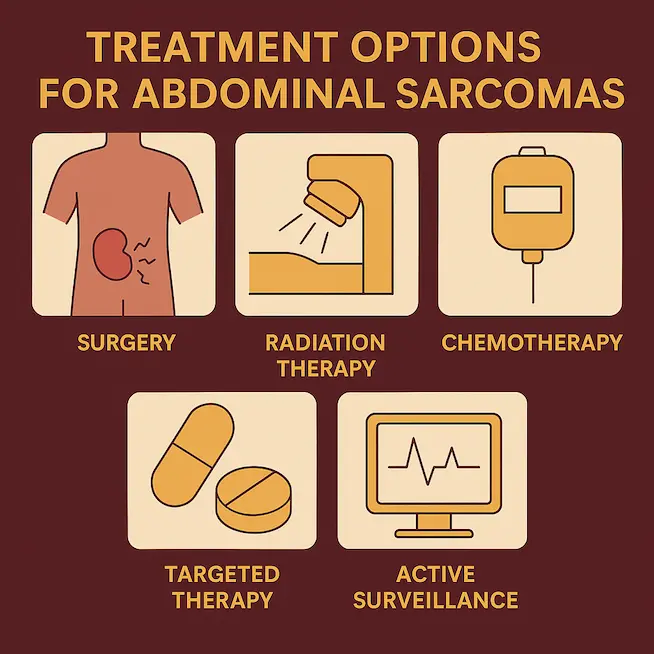
    What will be included in the treatment of an abdominal sarcoma

    Management of abdominal sarcomas is multimodal and individualised. The primary goal is to achieve complete tumour control while preserving organ function.

    Treatment for abdominal sarcomas depends on the type, size, location, and stage of the tumor, as well as the patient’s overall health. A team of specialists usually works together to plan the best approach. Here are the main treatment options:

    1. Surgery
       Surgery is often the first and most important treatment. The goal is to remove the tumor completely, along with a margin of healthy tissue around it to reduce the risk of recurrence. Sometimes nearby organs may need to be partially removed if they are involved.
    2. Radiation Therapy
       Radiation may be used before surgery to shrink the tumor, or after surgery to kill any remaining cancer cells. In some cases where surgery is not possible, radiation may be the main treatment.
    3. Chemotherapy
       Chemotherapy is not always effective for all sarcomas, but it may be used in certain types or advanced cases, especially when the cancer has spread. It may also be used before surgery in select patients.
    4. Targeted Therapy
       Some sarcomas like GIST respond well to targeted drugs (such as imatinib) that block specific cancer-driving proteins. This is often used when surgery alone isn’t enough.
    5. Active Surveillance
       In low-risk cases like small desmoid tumors or in situations where surgery may cause more harm than benefit, doctors may recommend close observation with regular scans.

    A Personalized Approach

    Every sarcoma is different. Your treatment plan will be personalized based on the exact diagnosis. A multidisciplinary team—including surgeons, oncologists, and radiologists—will work together to give you the best outcome.

  • Understanding Abdominal Sarcomas: What a patient should know?

    Understanding Abdominal Sarcomas: What a patient should know?

    What Are Abdominal Sarcomas?

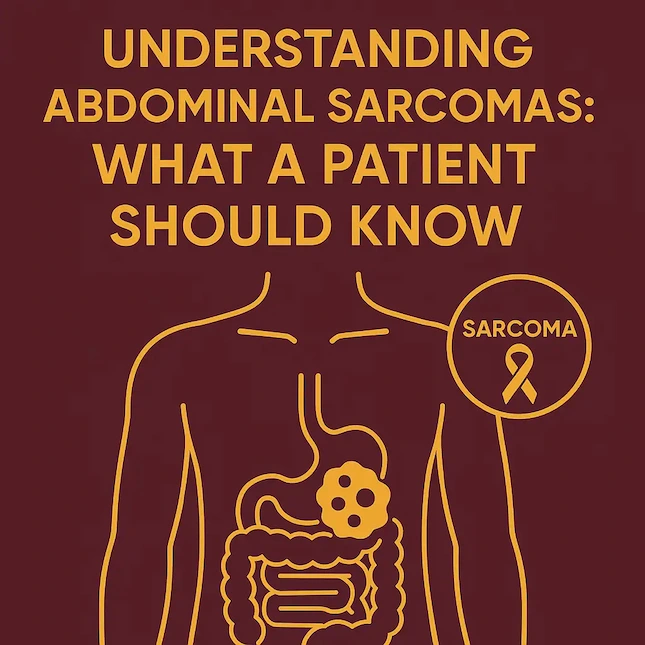
    Advitya healthcares understanding abdominal sarcomas

    Abdominal sarcomas are rare cancers that originate from the connective tissues within the abdomen, such as fat, muscle, nerves, fibrous tissue, or blood vessels. Unlike the more common cancers that start in organs like the colon or pancreas, sarcomas develop in the soft tissues or mesenchymal tissue, which forms structural and supportive parts of the body.

    These tumours are classified into two major groups:

    • Retroperitoneal Sarcomas: These develop in the space behind the abdominal organs, known as the retroperitoneum.
    • Intra-abdominal Sarcomas: Arise within abdominal organs or the abdominal wall.

    Though sarcomas are rare (making up <1% of all adult cancers), they can behave aggressively and require specialised care.

    What are the causes of Abdominal Sarcomas?

    • Genetic Conditions
      Some people inherit conditions that make them more likely to develop sarcomas. These include genetic syndromes like Li-Fraumeni syndrome and Neurofibromatosis type 1.
    • Radiation Exposure
      People who have received radiation therapy in the past, especially to the abdominal area, may have a higher risk of developing soft tissue sarcomas years later.
    • Chemical Exposure
      Long-term exposure to certain chemicals such as vinyl chloride, dioxins, or herbicides may increase the risk in some individuals.
    • Chronic Swelling or Injury
      Although rare, long-standing swelling or injury in a certain part of the body may, over time, contribute to the development of sarcomas.
    • Unknown Causes
      In many cases, there is no clear cause. Sarcomas can occur without any family history, exposure, or warning signs.

      Abdominal sarcomas are not caused by lifestyle factors like diet or stress. They are uncommon and can affect anyone. 

    What are the common types of soft tissue sarcomas?

    • Liposarcoma
       This type originates in fat cells and is one of the most common types of abdominal sarcomas. It usually grows slowly but can become large before causing symptoms.
    • Leiomyosarcoma
       This type of cancer begins in smooth muscle tissue, often originating from the walls of the intestines or blood vessels in the abdomen. It may grow more aggressively than some other types.
    • Gastrointestinal Stromal Tumour (GIST)
       GISTs arise from special cells in the wall of the digestive tract. They are a unique type of sarcoma and are often treated differently, sometimes with targeted medicines.
    • Undifferentiated Pleomorphic Sarcoma (UPS)
       Previously called malignant fibrous histiocytoma, this is a high-grade tumour that doesn’t resemble any specific tissue type. It can occur in the retroperitoneum (deep part of the abdomen).
    • Desmoid Tumours (Aggressive Fibromatosis)
       Although not considered a true sarcoma or cancer, desmoid tumours arise from connective tissue and can grow aggressively. They do not spread to other organs, but they can invade nearby tissues and sometimes recur after treatment. Management often includes surgery, medications, or close monitoring depending on the case.
    • Other Rare Types
       These include synovial sarcoma, angiosarcoma, and fibrosarcoma, each with its own behaviour and treatment approach.

    What are the common symptoms?

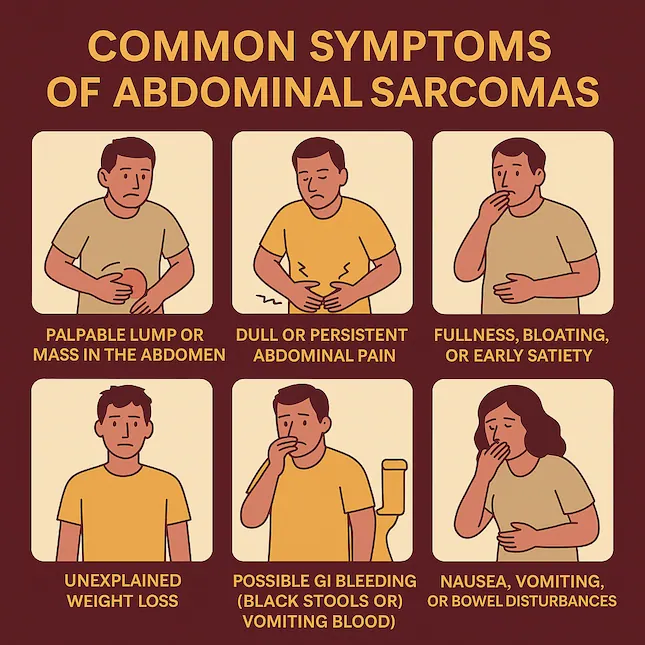
    Chatgpt image jul 4, 2025, 01 11 24 pm

    Early abdominal sarcomas are often asymptomatic due to their deep location and slow growth. However, symptoms may appear as the tumor enlarges:

    • Palpable lump or mass in the abdomen
    • Dull or persistent abdominal pain
    • Fullness, bloating, or early satiety
    • Unexplained weight loss
    • Nausea, vomiting, or bowel disturbances
    • In GISTs: possible GI bleeding (black stools or vomiting blood)

    Any persistent, unexplained abdominal symptoms should prompt medical evaluation.

    In the event of these symptoms, the patient should consult a GI expert promptly.

    Continue Your Journey to Understanding Abdominal Sarcomas

    This comprehensive guide is part of our 3-part series on abdominal sarcomas. I, Advitya, believe that knowledge empowers patients and families to make informed decisions about their healthcare journey. So, stay tuned for part 2 – Abdominal Sarcomas: What You Need to Know About Diagnosis and Treatment?

Seraphinite AcceleratorOptimized by Seraphinite Accelerator
Turns on site high speed to be attractive for people and search engines.