Author: Team Advitya

  • Not Just Lungs: How Tobacco Damages Your Gut and Causes GI Cancers in Jharkhand

    Not Just Lungs: How Tobacco Damages Your Gut and Causes GI Cancers in Jharkhand

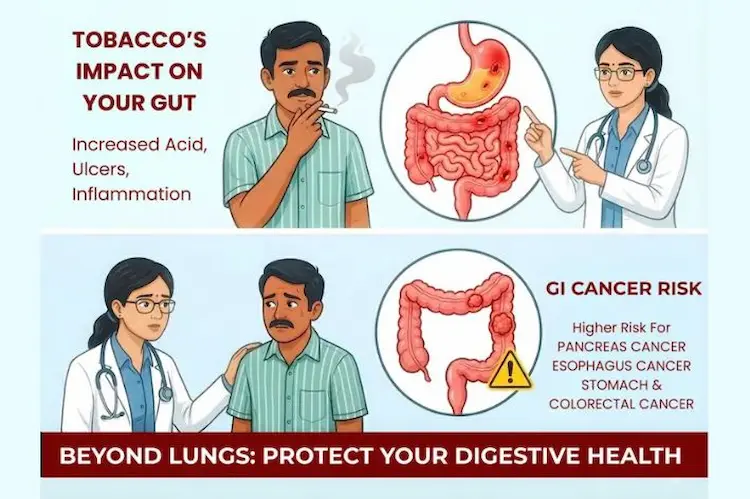
    Most people in Ranchi, Bokaro and other parts of Jharkhand think of smoking as a “lung problem.”
    But in reality, tobacco is a full-length GI toxin.

    Every cigarette, bidi, hookah session, or pinch of khaini/gutkha mixes cancer-causing chemicals with your saliva. This toxic mix travels down your food pipe, reaches the stomach, liver, pancreas and intestines through blood and bile, and injures the lining of your digestive organs day after day.

    Over the years, this has become a spectrum of disease, starting from “simple gas and acidity” and ending in serious GI cancers.

    At PancreaCare By Advitya Healthcares, Ranchi, we regularly see this pattern among patients from Ranchi, Bokaro, Dhanbad, and nearby districts.


    Dose, Mode and Frequency – Why Your Pattern of Use Matters

    1. Dose – How much over how many years?

    Doctors use the term “pack-years” to estimate your lifetime exposure:

    Pack-years = (packs smoked per day) × (years smoked)
    (1 pack = 20 cigarettes; for bidis, you can think in terms of “bidi-years”.)

    The higher the dose, the higher your risk of serious GI disease:

    • Pancreatic cancer: long-term heavy smokers (e.g. 20 cigarettes or many bidis a day for 20+ years) have about double the risk compared with people who never smoked.
    • Colorectal cancer: decades of smoking increase the risk of polyps and cancers in the colon and rectum.
    • Stomach cancer: risk increases with cumulative dose, especially in the lower part of the stomach.

    For patients, we often explain it like this:

    “Your stomach, liver and pancreas remember every cigarette or pinch of tobacco.
    The more you use and the longer you use, the higher your cancer risk climbs.”

    Mode – Smoked vs smokelessvs Combined(very relevant in Jharkhand)

    In Jharkhand, the type of tobacco matters a lot because many people chew tobacco in addition to smoking.

    Smoked forms : (Cigarettes, bidis, hookah)

    • It directly irritates the mouth, throat and food pipe (oesophagus).
    • Carry carcinogens through the blood to the stomach, liver, pancreas and colon.

    Associated with:

    • Oesophageal cancer
    • Stomach, pancreatic, liver and colorectal cancers
    • Peptic ulcers, reflux, Crohn’s disease and worsening of existing bowel problems

    Smokeless forms : Khaini, gutkha, zarda, betel quid with tobacco (prevalent in Ranchi & Bokaro)

    • Keep high levels of chemicals in prolonged contact with the mouth and upper GI lining.
    • Strongly linked to:
      • Oral and throat cancers
      • Oesophageal cancer

    They also likely increase the risk of stomach and pancreatic cancer over time.

    Dual use – smoking + chewing

    Many patients in our region both smoke and chew. This combines:

    • Systemic exposure from smoke
    • Local chemical burns from chewed tobacco

    This “double hit” raises the risk of cancers in the mouth, food pipe and upper GI tract even more than one form alone.

    Frequency and duration – “Only 2–3 a day” is not safe

    Common lines we hear in OPD at PancreaCare:

    • “Doctor, I smoke only 2–3 cigarettes a day.”
    • “Sir, I only take khaini after meals.”
    • “I smoke only on weekends.”

    Reality:

    • Daily use over many years is what builds chronic damage.
    • Even “light smokers/chewers” have a clearly higher risk than non-users.
    • Starting young (late teens / early twenties) means that by the time serious symptoms appear, you may already have 15–20 years of exposure.

    There is no truly safe level of tobacco for your gut.

    The Jharkhand GI Story: from “simple gas” to cancer – A Ladder of Harm

    Think of tobacco-related damage as a ladder. Patients in Ranchi and Bokaro often present at different rungs of this ladder.

    Step 1 – Common digestive complaints

    These are the problems we see every day in the clinic:

    • Reflux and heartburn (GERD):
      Smoking weakens the valve between the food pipe and the stomach and increases acid reflux.
      → Burning in the chest, sour taste, nighttime reflux, “gas” complaints.
    • Dyspepsia and bloating:
      Stomach lining irritation and slowed movement lead to upper abdominal discomfort, heaviness after meals and early fullness.
    • Peptic ulcers:
      Tobacco reduces blood flow and the healing capacity of the stomach and duodenal lining.
      Smokers and chewers have more ulcers, and these ulcers are slower to heal and more prone to bleed or perforate.
    • IBD and IBS:
      Smoking is an independent risk factor for Crohn’s disease and often makes it worse.

    Step 2 – Chronic organ damage

    With continued use, injury becomes more permanent.

    • Chronic pancreatitis:
      Now recognised as a major independent risk factor, not just an add-on to alcohol.
      Smokers are more likely to develop chronic pancreatitis and progress faster to diabetes and pancreatic insufficiency.
    • Fatty liver and fibrosis:

    Smoking increases inflammation and oxidative stress in the liver, worsening fatty liver (NAFLD/NASH), especially in people who are overweight, diabetic or already have liver disease.

    • Cirrhosis and complications:

    In patients with hepatitis B/C, alcohol-related liver disease or NASH, tobacco accelerates scarring and increases the risk of liver cancer (HCC).

    Step 3 – GI cancers (the tip of the iceberg)

    The most serious consequence is cancer of the digestive organs.

    Oesophageal cancer

    • Smoking is a major risk factor for oesophageal squamous cell carcinoma; risk rises with number of cigarettes and years smoked.
    • Combined tobacco + alcohol multiplies risk.
    • Smokeless tobacco and betel quid (esp. in South Asia) further increase risk of upper aerodigestive tract cancers, including oesophagus.

     Stomach (gastric) cancer

    • Meta-analyses show smokers have ~1.5–2× higher risk of gastric cancer compared to never-smokers, with a clear dose–response.
    • Non-cardia gastric cancers are particularly associated with smoking, especially on a background of H. pylori and chronic gastritis.

    Pancreatic cancer

    • Smoking is one of the strongest modifiable risk factors for pancreatic cancer.
      • Smokers have approximately 2× risk, heavy and long-term users have even higher.
    • Mechanisms:
      • Carcinogens reach the pancreas via the bloodstream and the bile.
      • Promote KRAS mutations, chronic inflammation, and pancreatitis, creating a “fertile soil” for cancer.

    Important positive point:
    Risk gradually declines after cessation and may approach baseline levels ~10–20 years after quitting.

    Liver cancer (Hepatocellular carcinoma – HCC)

    • Smoking is associated with increased risk of HCC, especially in patients with chronic hepatitis B/C, alcohol-related liver disease or NASH.
    • It likely worsens fibrosis, oxidative stress and immune surveillance.

    In many cohorts, smokers with viral hepatitis have significantly higher HCC risk than non-smokers with the same viral load.

    Colorectal cancer

    • Long-term smokers have a higher risk of:
      • colorectal adenomas (pre-cancerous polyps)
      • invasive colorectal cancer, especially rectal and proximal colon cancers.
    • Smoking seems to promote more advanced adenomas and microsatellite instability-high CRC in some studies.

    Screening implication:
    In some guidelines, heavy smokers are considered at moderately increased CRC risk → support for earlier or more vigilant colonoscopy.

    Dose & intensity visuals –Figures/diagrams

    Figure 1 – “Ladder of harm” diagram

    Concept: from “mild” to “severe” impact.

    • X-axis: stages (Reflux → Ulcer → Chronic pancreatitis/fatty liver → Cirrhosis → Cancers).
    • Y-axis: cumulative exposure (light → moderate → heavy smoker; years).
    1764681282780

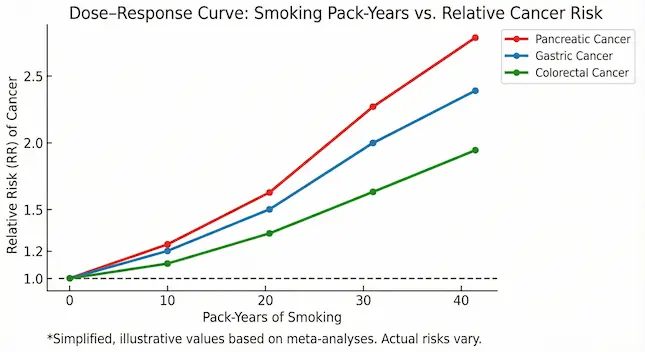
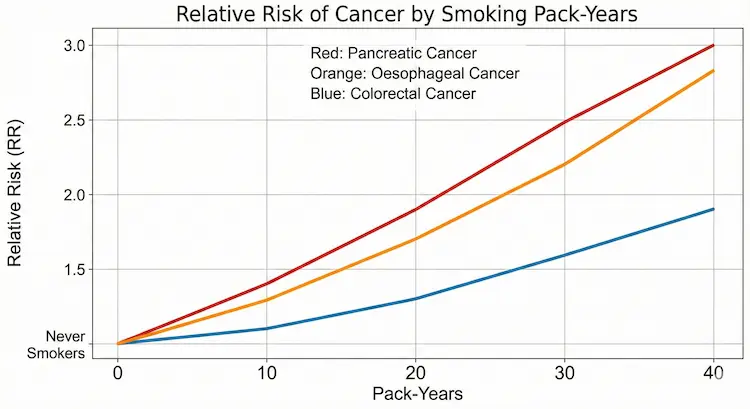
    Figure 2 – Dose–response curve (risk vs pack-years)

    A simple line graph:

    • X-axis: pack-years (0, 10, 20, 30, 40).
    • Y-axis: relative risk of pancreatic / gastric / colorectal cancer.

    For example (simplified, illustrative values):

    • RR 1.0 (never)
    • 1.2 at 10 pack-years
    • 1.5 at 20
    • 2.0 at 30+
    1764914066653

    Figure 3 – “Heat map” of organs affected

    A stylised human torso / digestive system diagram:
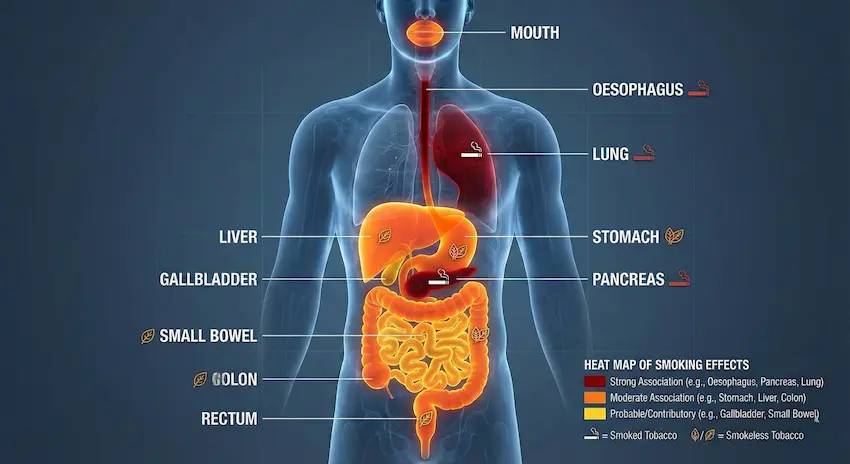
    Untitled design
    • Highlight the mouth, oesophagus, stomach, liver, pancreas, colon, and rectum.
    • Use colour coding:
      • Dark red: strong association with smoking (oesophagus, pancreas, lung).
      • Orange: moderate association (stomach, liver, colon).
      • Yellow: probable or contributory effects (gallbladder, small bowel).
    • small icons:
    • 🚬 = smoked tobacco,
    • 🪔 / leaf = smokeless.

    After You Quit – Can the Gut Heal?

    The hopeful part of this story is thatstopping tobacco helps, even after years of use.

    • Reflux, heartburn and dyspepsia can improve within weeks to months.
    • Ulcer risk reduces sharply when you quit and treat H. pylori if present.
    • The risk of pancreatic, gastric and colorectal cancers gradually falls after quitting; over 10–20 years, it can come closer to that of a non-smoker, depending on earlier dose and duration.
    • In liver disease, quitting tobacco (along with alcohol control, weight management and proper medical treatment) slows down fibrosis and reduces the chance of liver cancer.

    The message we give our patients from Ranchi, Bokaro and across Jharkhand is simple:

    “The best day to quit was yesterday.
    The second-best day is today – before the damage becomes permanent.”

    When Should You See a GI Specialist in Ranchi?

    If you use tobacco (smoked or chewed) and have any of these warning signs, you should not ignore them:

    • Persistent upper abdominal pain, burning or discomfort
    • Difficulty swallowing, or food getting stuck
    • Unintentional weight loss and poor appetite
    • Black stool, blood in stool, or repeated vomiting
    • New-onset jaundice or long-standing fatty liver with a history of tobacco use
    • Change in bowel habits (new constipation or loose stools) for more than 4–6 weeks

    At PancreaCare By Advitya Healthcares, Ranchi, we evaluate such patients with appropriate tests – endoscopy, colonoscopy, ultrasound, CT/MRI and blood tests – and create a clear, personalised plan for diagnosis, treatment and follow-up.


  • Stop Googling “Gas & Acidity”: 7 Signs You Actually Need a GI Specialist in Ranchi

    Stop Googling “Gas & Acidity”: 7 Signs You Actually Need a GI Specialist in Ranchi

    If you live in Ranchi or anywhere in Jharkhand, this is a familiar story: late-night burning in the chest, uneasy stomach, a quick Google search for “gas acidity home remedy”, one antacid – and the same cycle repeats every week.

    Most of the time, symptoms settle. But calling everything “just gas” and depending only on search results can quietly delay serious problems like ulcers, gallbladder stones, liver disease or even digestive cancers.

    This blog is not against Google. It is a reminder that your body is not a search keyword – and there are clear moments when you need a real GI specialist, not another home remedy.

    The good news: if you are in or around Ranchi, you do not have to travel to a metro city. Through PancreaCare By Advitya Healthcares in Ranchi, you can reach an experienced GI / HPB team focused on pancreatic, liver, gallbladder and digestive diseases – right where you are.

    Here are 7 warning signs when you should stop googling and see a specialist in person.


    1. “Gas” Pain That Keeps Coming Back

    Occasional gas after heavy food is normal. The worry starts when:

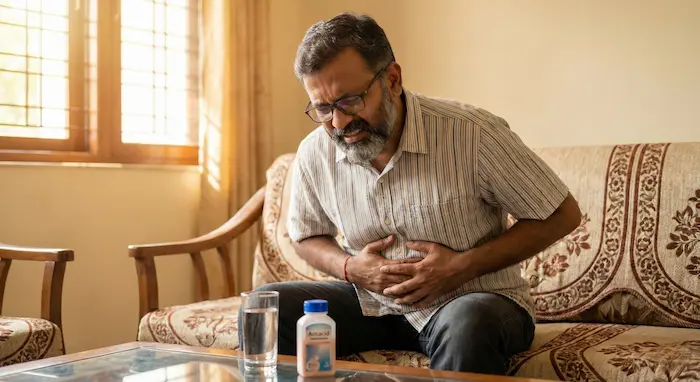
    • Burning, heaviness or pain in the upper abdomen keeps coming back
    • You are living on antacids for weeks or months
    • Pain is disturbing your sleep or work
    1764242119371

    What you call “gas” may actually be chronic gastritis, ulcer, gallbladder stones or an early signal of something more serious.

    Instead of jumping from one online tip to another, let a GI specialist at PancreaCare By Advitya Healthcares, Ranchi listen properly, examine you and decide if tests are needed. That careful assessment is something Google cannot do.


    2. Severe, Sudden Pain – The “I Can’t Sit Still” Kind

    If you or someone at home suddenly develops:

    • Very severe pain in the upper or middle abdomen
    • Restlessness, sweating, needing to bend forward
    • Pain going to the back, chest or shoulder
    1764242923957

    …do not treat it as simple gas.

    Emergencies like acute pancreatitis, burst ulcers or blocked gallbladder ducts can begin exactly like this. Searching “how to relieve gas instantly” at that moment is dangerous.

    Go to the nearest emergency or call your doctor immediately. In Ranchi and nearby Jharkhand, the PancreaCare By Advitya Healthcares team can guide you to the right level of care. In these situations, every hour matters.


    3. Acidity With Difficulty Swallowing or Food Getting “Stuck”

    Simple acidity is common; acidity plus swallowing trouble is different.

    Be alert if:

    • Food feels stuck while going down
    • Swallowing is painful
    • You often cough or choke when eating

    These can indicate narrowing of the food pipe, long-standing reflux damage or even a growth.

    Home remedies will not correct this. A GI specialist must decide if you need an endoscopy and what the next steps are. At PancreaCare By Advitya Healthcares in Ranchi, this evaluation is done in a structured and safe way, with risks and options explained clearly.


    4. Yellow Eyes, Dark Urine or Very Pale Stools

    Many people start with “jaundice home treatment” on Google. But jaundice means the liver or bile ducts need proper attention.

    Warning signs include:

    • Yellow eyes or skin
    • Dark cola-coloured urine
    • Very pale, clay-like stools
    • Itching, tiredness or poor appetite
    1764243238494

    These may be due to hepatitis, stones blocking the bile duct, narrowing or tumours.

    A GI / liver specialist will decide which blood tests and scans are needed and how urgent they are. At PancreaCare By Advitya Healthcares, Ranchi, testing and treatment planning are coordinated so you are not running from one lab to another without answers.


    5. Vomiting Blood or Black, Tarry Stools

    This is one of the clearest “no Google, only emergency” situations.

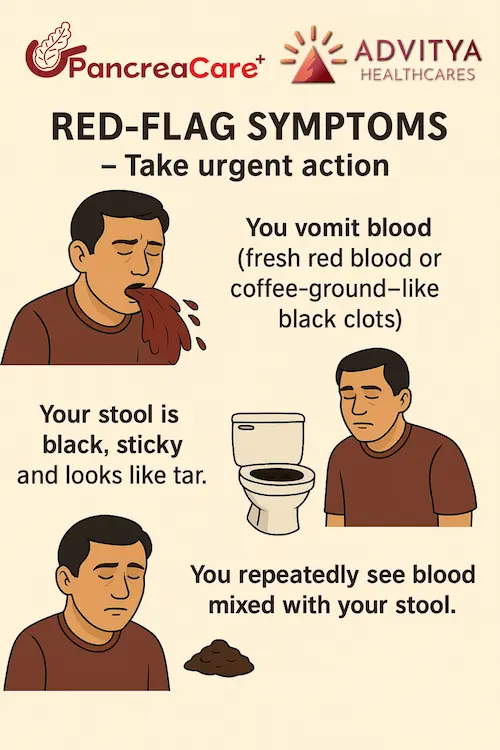
    Seek urgent medical help if:

    • You vomit blood (red or coffee-ground-like)
    • Your stool is black, sticky and tar-like
    • You repeatedly see blood mixed with stool
    Egwrg

    These signs suggest bleeding inside the digestive tract – from ulcers, varices in the food pipe or stomach (often due to liver disease) or tumours.

    Delaying with home remedies or over-the-counter medicines can be life-threatening. Go to a hospital immediately. In Ranchi, the PancreaCare By Advitya Healthcares team can help locate the source of bleeding and coordinate the right treatment.


    6. Unintentional Weight Loss and Constant Tiredness

    Planned weight loss with diet and exercise is healthy; unplanned weight loss is a warning.

    You should see a doctor instead of Google if:

    • You are losing weight without trying
    • Your clothes are getting loose month after month
    • You feel weak or tired most days
    • You eat less because of poor appetite or early fullness
    ChatGPT Image Nov 27, 2025, 05 21 06 PM

    Possible causes include long-standing digestive problems, malabsorption, liver or pancreatic disease and sometimes cancers of the digestive system.

    Reading everything online usually increases fear, not clarity. Sitting with a GI specialist at PancreaCare By Advitya Healthcares, Ranchi helps you move from panic to a step-by-step plan with focused tests and honest discussion.


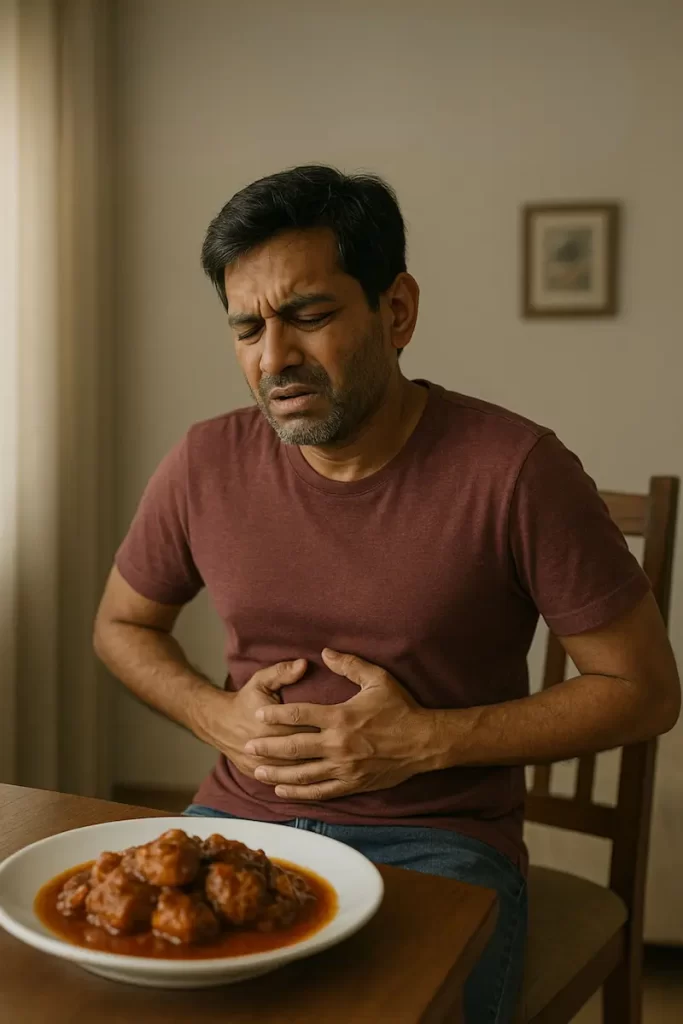
    7. Pain After Oily / Heavy Meals, Again and Again

    A very typical pattern:

    Heavy or oily meal → pain or heaviness on the right side or upper abdomen → sometimes pain to the back or right shoulder → nausea or bloating.

    If this happens again and again, especially after rich food, it may indicate:

    Awewre
    • Gallbladder stones
    • Inflammation of the gallbladder
    • Problems with the bile ducts or pancreas

    Endless “oily food digestion tips” from Google cannot remove stones or open a blocked duct. A GI / HPB surgeon at PancreaCare By Advitya Healthcares, Ranchi can advise whether surgery is needed, what type, and when is the safest time to do it.


    So, When Is Google Okay – and When Is It Not?

    You do not have to stop using Google completely.

    It is helpful to:

    • Read more about a diagnosis after your doctor has named it
    • Learn lifestyle and diet tips from reliable medical sources
    • Prepare questions for your next visit

    It is not okay to:

    • Keep changing medicines on your own
    • Ignore repeated or severe symptoms
    • Treat emergencies with home remedies and WhatsApp forwards

    Think of it this way: Google is good for information. A specialist is essential for decisions.


    Final Message: Your Health Deserves a Real Conversation in Ranchi

    “Gas” and “acidity” have become such common words that we forget they may be the first whisper of something serious.

    Untitled design

    If any of the seven situations above sound like you, this is your sign to pause the search bar and talk to a GI expert.

    WhatsApp Image 2025 10 04 at 4.39.00 PM (1)

    If you are in Ranchi or nearby Jharkhand, PancreaCare By Advitya Healthcares is designed exactly for you – a dedicated centre where pancreas, liver, gallbladder and digestive health are taken seriously, with world-class expertise and human-level care.

    Your body is not a search bar. It needs a trained team, clear explanation and a proper plan – not guesswork.

    Advitya Healthcares

    Advitya Healthcares Pvt. Ltd.
    📍 Ranchi, Jharkhand, Bokaro
    📞 +91 9211221551
    📞 +91 9211221552
    📞 +91 9211221553
    📞 +91 9211221554
    🌐 www.advityahealthcares.com | info@advityahealthcares.com

  • Liver Operation Patient Information Booklet | Trusted Liver Care in Ranchi – PancreaCare By Advitya Healthcares

    Liver Operation Patient Information Booklet | Trusted Liver Care in Ranchi – PancreaCare By Advitya Healthcares

    A Message from Your Surgical Team

    Dear Patient,

    We know that planning for liver surgery can feel overwhelming. It’s normal to have questions, fear, or uncertainty. This guide is made to support you and your family at every step — from diagnosis and preparation to recovery and long-term wellness.

    If you are looking for a trusted liver doctor in Ranchi, our PancreaCare’s surgical team is here to guide you with clarity and confidence.

    PancreaCare – Advitya Healthcares introduces PancreaCare, your trusted destination for excellence in surgical, Medical, and cancer care for pancreatic, Liver, Biliary, and Luminal Gastrointestinal Diseases.

    With PancreaCare, patients find not just treatment, but true recovery and renewed life.

    We bring world-class surgical expertise to your community, so you can make informed decisions without travelling far from home.

    With our service PancreaCare by Advitya, we believe in care that is not only surgical but also scientific, compassionate, and continuous. You are not alone in this journey — our team is with you at every stage.

    Understanding the Liver & Why You May Need Surgery | Liver Doctor in Ranchi

    The liver is one of the most important organs in your body. It cleans and filters your blood, stores energy, produces proteins, and helps digestion. It also supports immunity.

    A special fact: the liver can regenerate. This means even if a part is removed, the remaining healthy liver can grow back over time.

    Common Reasons for Liver Surgery

    Liver surgery may be advised for:

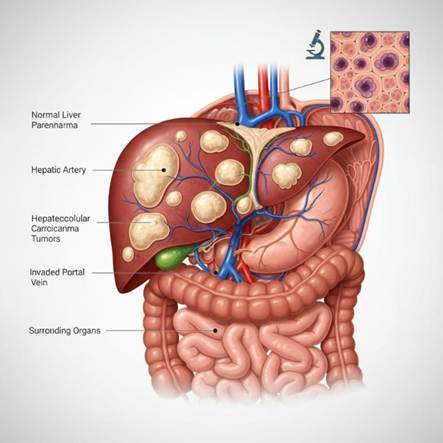
    • Liver cancers (Hepatocellular carcinoma, cholangiocarcinoma)

    • Metastatic tumors (cancer spread from other organs like colon or pancreas)

    • Benign liver tumors or cysts

    • Bile duct cancers or biliary obstruction

    • Liver abscess, injury, or trauma

    Image

    The goal of liver surgery is to remove only the diseased portion while keeping enough healthy liver for normal life.

    Types of Liver Surgery

    Depending on your condition, your surgeon may recommend:

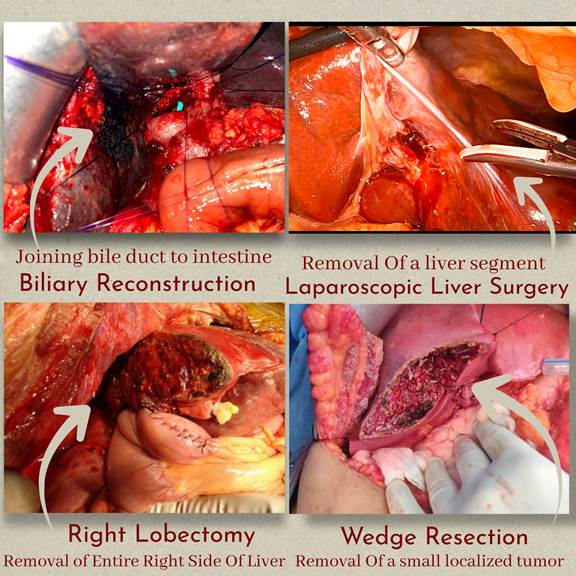
    • Liver Resection / Laparoscopic Liver Surgery – removal of a liver segment or lobe

    • Right or Left Lobectomy – removal of one entire side of the liver

    • Wedge / Non‑Anatomical Resection – removal of a small localized tumor

    • Biliary Reconstruction / Excision – repairing or removing bile ducts

    • Cyst or Abscess Surgery – draining/removing infected fluid cavities

    Image

    Surgery is done under general anesthesia and usually takes 4–8 hours. It may be done using open surgery or laparoscopic (keyhole) techniques, based on safety and tumor location.

    Before Surgery: How to Prepare

    1. Medical Optimization: We check your heart, lungs, kidney function, liver function, and blood clotting ability. If bilirubin is high, biliary stenting may be required before surgery.

    2. Nutrition: Eat a high‑protein diet (dal, eggs, fish/chicken, paneer, soy), take prescribed vitamins/supplements, stay hydrated, and avoid fatty foods and alcohol.

    3. Lifestyle: Stop smoking and alcohol at least 2 weeks before surgery. Walk daily to build stamina.

    4. Pre‑Operative Instructions: Fast 6 hours before surgery, bring all past reports, remove jewelry/dentures, and tell your doctor about allergies or long‑term medicines (BP, sugar, blood thinners).

    On the Day of Surgery

    You will meet your anesthetist and surgical team. An IV line will be inserted. A urinary catheter and monitoring lines may be placed. After surgery, you will wake up in the ICU for close monitoring.

    Image

    After Surgery: What to Expect in Hospital

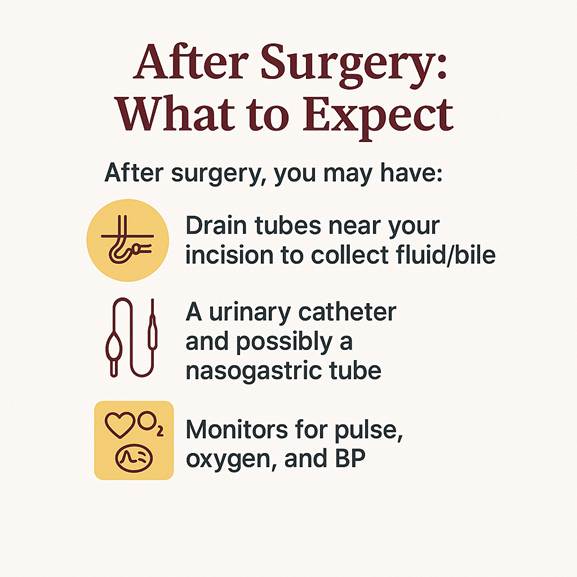
    After surgery, you may have:

    • Drain tubes near your incision to collect bile/fluid

    • A urinary catheter

    • Sometimes a nasogastric tube

    • Continuous monitoring of oxygen, pulse, and BP

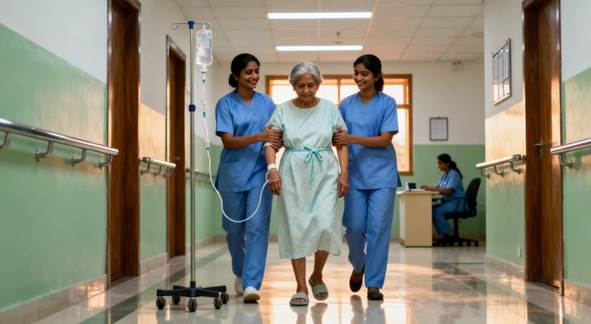
    You will be encouraged to sit up early, do breathing exercises, and start walking soon. This improves healing and prevents complications. Pain will be controlled carefully using IV or epidural medicines.

    Image

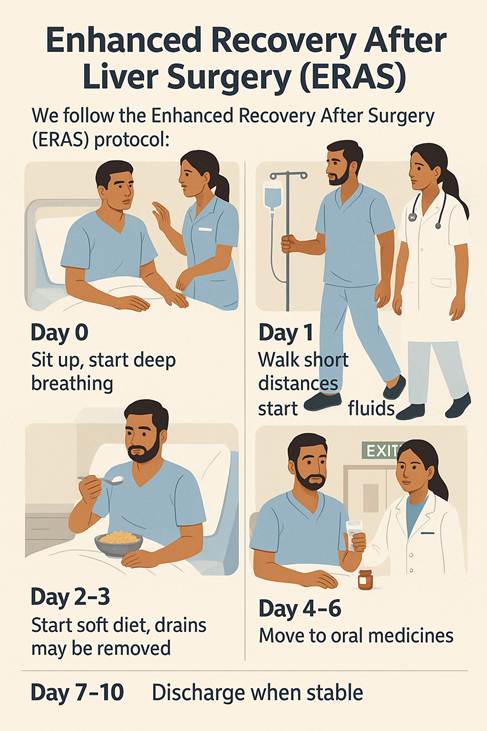
    Enhanced Recovery After Liver Surgery (ERAS)

    We follow the Enhanced Recovery After Surgery (ERAS) protocol to help you recover faster and safer:

    • Day 0: Sit up, deep breathing exercises

    • Day 1: Walk short distances, begin clear fluids

    • Day 2–3: Soft diet, drains may start coming out

    • Day 4–6: Shift to oral medicines

    • Day 7–10: Discharge once stable

    Image

    Recovery differs for every patient. Your plan will be personalized.

    Care at Home After Discharge

    1. Wound & Drain Care: Keep incision clean and dry. Watch for redness, swelling, pus, or foul smell. Measure drain output if present.

    2. Diet: Eat small, frequent meals. Focus on high‑protein foods, avoid fried/oily food and alcohol, and drink plenty of water.

    3. Activity: Gentle walking daily. Avoid heavy lifting for 6–8 weeks.

    4. Medicines: Take medicines exactly as advised (antibiotics, pain relief, liver support, bile medicines).

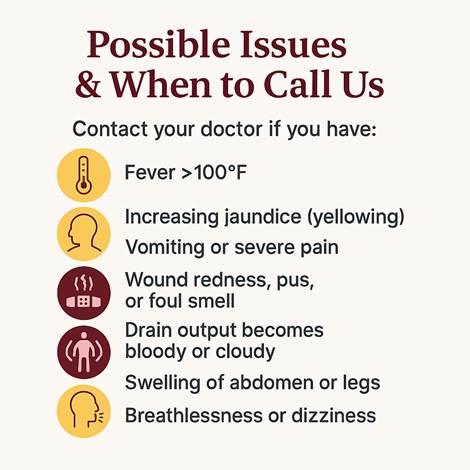
    Warning Signs: When to Call Us Immediately

    Contact your doctor if you develop:

    • Fever above 100°F

    • Increasing jaundice (yellow eyes/skin)

    • Vomiting or severe abdominal pain

    • Wound redness, pus, or foul smell

    • Drain output turning bloody or cloudy

    • Swelling of abdomen or legs

    • Breathlessness, dizziness, or weakness

    Image

    Long‑Term Follow‑Up

    First 3 months: Weekly checkups, liver function tests, and ultrasound/CT to monitor healing and regeneration.

    After 3 months: Resume normal work and diet gradually, avoid alcohol, and continue walking/exercise.

    If surgery was for cancer: Scans every 3–6 months, tumor marker tests, and coordination with the oncology team.

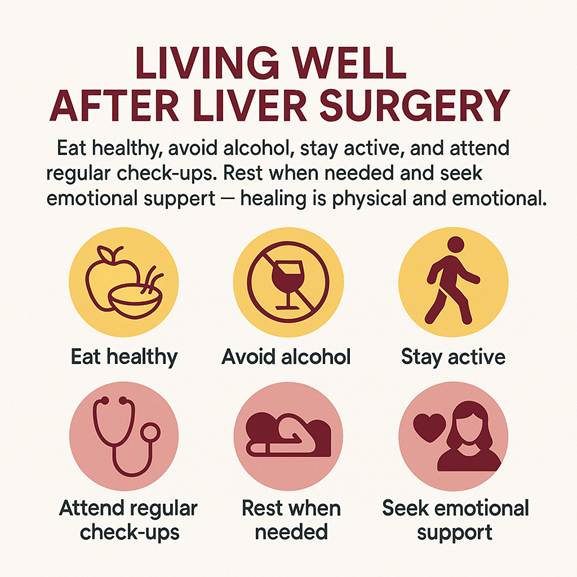
    Living Well After Liver Surgery

    Healing continues even after discharge. Eat healthy, stay active, avoid alcohol, sleep well, and take emotional support from family or friends. Recovery is not only physical — it is emotional too.

    Image

    Our Commitment to You

    At PancreaCare By Advitya healthcares, we are dedicated to healing that is human and scientific. We believe in empowering you with knowledge and walking beside you through every stage of recovery.

    Image

    As a leading liver doctor in Ranchi team, we focus on safe surgery, fast recovery, and lifelong follow‑up support.

    You are not just our patient — you are part of our family.

    Info Box

    Advitya Healthcares Pvt. Ltd.
    HepatoCare Unit – Gastrointestinal & Hepatopancreatobiliary Services
    📍 Ranchi, Jharkhand, Bokaro
    📞 +91 9211221551
    📞 +91 9211221552
    📞 +91 9211221553
    📞 +91 9211221554
    🌐 www.advityahealthcares.com | info@advityahealthcares.com

  • Abdominal Pain After a Heavy Meal? It Could Be Gallbladder Stones – Here is Everything You Need to Know

    Abdominal Pain After a Heavy Meal? It Could Be Gallbladder Stones – Here is Everything You Need to Know

    Introduction: The Silent Trouble in Your Abdomen

    Imagine this: You have just enjoyed a hearty, delicious meal with your family. Perhaps it was a festive dinner or a wedding feast, rich with the spicy and oily flavours we love here in Jharkhand. But instead of feeling satisfied, you are suddenly struck by a sharp, gripping pain in your upper right abdomen. You might brush it off as “gas” or “acidity,” popping a generic pill and hoping it passes. But if this scene feels all too familiar, your body might be trying to tell you something more serious.

    Gallbladder stones (cholelithiasis) are becoming increasingly common in cities like Ranchi and Bokaro in Jharkhand, mainly due to changing lifestyles and dietary habits. Yet, despite their prevalence, there is a cloud of confusion surrounding them. Many patients delay treatment due to fear, misinformation, or the hassle of travelling to metropolitan cities for surgery.

    At PancreaCare by Advitya Healthcares, we believe that world-class treatment should be available right at your doorstep. Whether you are in Morabadi, Bariatu, or travelling from Bokaro, you do not need to suffer in silence. Let’s break down exactly what gallbladder stones are, why surgery is often necessary, and debunk the myths that might be holding you back from a pain-free life.

    What Are Gallbladder Stones?

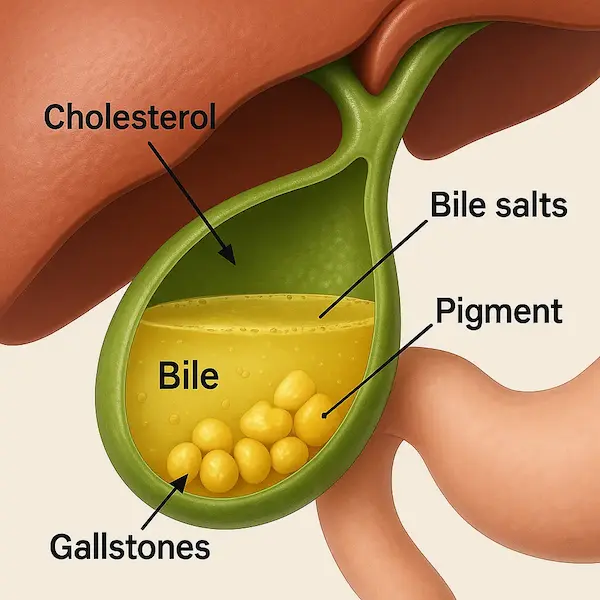
    The gallbladder is a small, pear-shaped organ located just beneath your liver. Its main job is to store bile, a digestive fluid produced by the liver that helps break down fats. Sometimes, the substances in the bile—specifically cholesterol and bilirubin—harden and form pebble-like deposits. These are gallbladder stones.

    They can range in size from a grain of sand to a golf ball. Some people develop just one large stone, while others may have hundreds of tiny ones.

    Why do they form?

    While the exact cause is not always clear, doctors agree that your risk increases if:

     * Your bile contains too much cholesterol or bilirubin.

     * Your gallbladder doesn’t empty correctly or often enough.

     * You consume a diet high in fat and low in fibre.

    Recognizing the Symptoms: When to See a Doctor

    One of the trickiest aspects of gallstones is that many people have them without knowing it. These are called “silent stones.” However, when a stone blocks a bile duct, the symptoms can be sudden and severe.

    Watch out for these warning signs:

     * Sudden, intensifying pain: Usually in the upper right portion of your abdomen or the centre of your abdomen, just below the breastbone.

     * Referred pain: Pain that radiates to your right shoulder or between your shoulder blades.

     * Nausea and vomiting: Often accompany the pain.

     * Digestive issues: Bloating, indigestion, and intolerance to fatty foods.

    ChatGPT Image Nov 13, 2025, 05 58 43 PM

    If you notice yellowing of your skin or eyes (jaundice) or have a high fever with chills, this constitutes a medical emergency. It suggests the stone has caused an infection or completely blocked the bile duct.

    The Gold Standard Treatment: Laparoscopic Cholecystectomy

    If your stones are causing symptoms, surgery is the only permanent cure. The medical term for gallbladder removal is Cholecystectomy.

    In the past, this meant open surgery with a large incision and a long recovery. Today, at PancreaCare, we specialise in Laparoscopic Cholecystectomy (Keyhole Surgery).

    How it works:

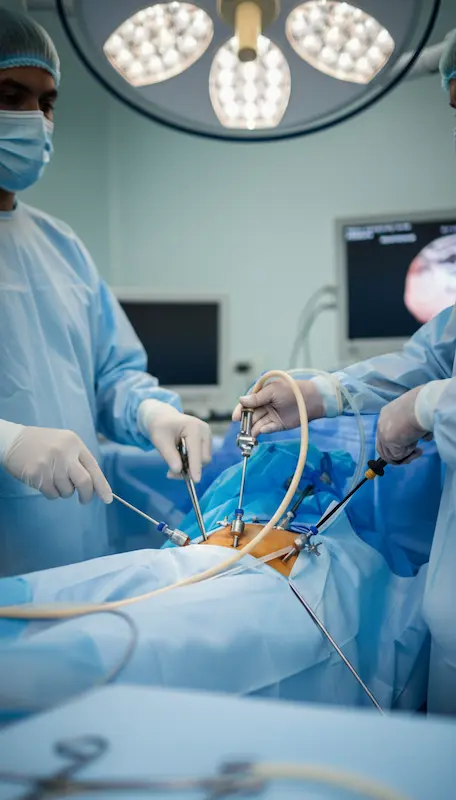
    Instead of a large cut, the surgeon makes 3 to 4 tiny incisions (less than 1 cm) in the abdomen. A laparoscope (a thin tube with a camera) is inserted, allowing the surgeon to see inside your body on a high-definition monitor. The gallbladder is then carefully removed through one of the small incisions.

    IMG 20251114

    Benefits of Laparoscopic Surgery:

     * Minimal Pain: Significantly less post-operative pain compared to open surgery.

     * Quick Recovery: Most patients are discharged within 24 to 48 hours and can return to normal activities within a week.

     * Cosmetic Advantage: The tiny scars fade over time and are barely visible.

     * Safety: It is one of the most commonly performed and safest surgeries in the world when done by experts.

    Busting Common Myths About Gallbladder Surgery

    There is a lot of “advice” floating around in WhatsApp groups and neighbourhood chats in Ranchi and Bokaro. Let’s set the record straight with medical facts.

    Myth 1: “I can flush out gallstones by drinking oil, apple juice, or herbal mixtures.”

    > Fact: This is a dangerous myth. Gallstones are solid, hard deposits. Drinking oil or juices will not dissolve them. In fact, consuming large amounts of oil to “flush” the system can trigger a severe gallbladder attack or even pancreatitis (inflammation of the pancreas), which is life-threatening.

    Myth 2: “Only the stones need to be removed, not the whole gallbladder.”

    > Fact: Unlike kidney stones, we cannot simply remove gallstones and leave the organ. If we leave the gallbladder, the underlying issue (imbalanced bile) remains, and stones will almost certainly form again quickly. Removing the gallbladder is the only permanent cure.

    Myth 3: “I won’t be able to digest food or eat normal meals after surgery.”

    > Fact: Your liver produces bile, not the gallbladder. The gallbladder just stores it. After surgery, the liver continues to make bile, which drips continuously into your digestive system. You can absolutely eat a normal, healthy diet. You might need to limit very fatty foods for a few weeks while your body adjusts, but you will not have long-term digestive handicaps.

    Myth 4: “Surgery is risky for older patients.”

    > Fact: On the contrary, delaying surgery in older patients can be riskier. An untreated gallbladder can burst or cause severe infection, leading to complex emergency surgeries. Planned (elective) laparoscopic surgery is very safe for elderly patients when performed by specialists like the team at PancreaCare.

    Myth 5: “Laser surgery is different from Laparoscopic surgery.”

    > Fact: Many people in Jharkhand use the term “Laser” operation colloquially for Laparoscopic (Keyhole) surgery. True laser is rarely used for removing the gallbladder itself. The minimally invasive “keyhole” technique is the standard of care you are looking for.

    Why Choose PancreaCare by Advitya Healthcares?

    For years, families in Ranchi, Bokaro, and surrounding districts felt they had to travel to Delhi, Mumbai, or Vellore for complex stomach and liver surgeries. PancreaCare By Advitya Healthcares was born to change that narrative.

    PancreaCare is not just a clinic; it is a centre of excellence dedicated to Gastrointestinal (GI) and Hepato-Pancreato-Biliary (HPB) surgeries.

    Here is why we are the trusted choice in Jharkhand:

     * Specialist Expertise: We are not just general surgeons; we are super-specialists in the digestive system. Our team handles everything from routine gallbladder stones to complex pancreatic cancers with metropolitan-level precision.

     * Advanced Technology: We utilise the latest laparoscopic 4K imaging and surgical equipment, ensuring safer procedures and faster healing for our patients.

     * Local Accessibility: We have brought expert care closer to you. With convenient locations in Ranchi (Morabadi and Bariatu Road) and partnerships in Khunti, you receive premium healthcare without the stress and cost of travelling to a metro city.

     * Patient-Centric Approach: We understand that surgery can be scary. Our team is known for empathetic counselling, explaining every step of the procedure to the patient and their family in simple terms.

     * Affordable Excellence: We believe high-quality healthcare should be accessible. We offer transparent pricing and work with various insurance providers to make your treatment stress-free.

    Untitled design (3)

    Conclusion

    Do not ignore that recurring pain in your abdomen. Living with gallbladder stones is like living with a ticking time bomb that could lead to infection or jaundice at any moment.

    If you reside in Ranchi, Bokaro, Khunti, or anywhere in Jharkhand, expert help is just a phone call away. You do not have to live with pain or rely on unverified home remedies. Trust the specialists who understand your body best.

    Take the Next Step for Your Health:

    Are you or a loved one experiencing symptoms of gallbladder stones? Book a consultation with PancreaCare by Advitya Healthcares today.

     * Visit us in Ranchi, Jharkhand & Bokaro

     * Call us or WhatsApp for an appointment:

    Untitled (200 x 200 px) (50 x 50 px) (2) +91 9211221551
    Untitled (200 x 200 px) (50 x 50 px) (2) +91 9211221552

    Untitled (200 x 200 px) (50 x 50 px) (2) +91 9211221553

    Untitled (200 x 200 px) (50 x 50 px) (2) +91 9211221554

     * Website:   https://advityahealthcares.com/

    PancreaCare by Advitya Healthcares – bringing world-class surgical care home to Jharkhand.

  • Pancreatic Cancer Awareness: Why Early Action Matters in Jharkhand

    Pancreatic Cancer Awareness: Why Early Action Matters in Jharkhand

    For people living here, especially those in and around Ranchi, pancreatic cancer awareness is more than a slogan – it is a reminder to listen to your body and not ignore long-lasting symptoms. Pancreatic cancer is often called a “silent” disease because the early signs are vague and easy to confuse with gas, acidity or back pain. The goal of PancreaCare by Advitya Healthcares is to help people recognise these warning signs early and reach the right specialist before the disease becomes advanced.

    At PancreaCare by Advitya Healthcares, our team focuses on liver, pancreas, gallbladder and biliary problems. We see every day how timely diagnosis can improve survival, pain relief and overall quality of life. When patients understand what to watch for and where to seek help, they are more likely to reach a centre that can do the correct tests from the start, instead of changing doctors again and again without getting clear answers.


    What does the pancreas do – and why does it matter?

    The pancreas is a small organ deep in your abdomen, behind the stomach. It has two main jobs:

    • Digestive function: It releases digestive enzymes that help break down food.
    • Hormonal function: It produces hormones like insulin, which controls blood sugar.
    Untitled design (8)

    When cancer starts in the pancreas (usually pancreatic ductal adenocarcinoma), it silently grows for a long time. By the time symptoms are obvious, the disease is often advanced – which is why early awareness is so important.


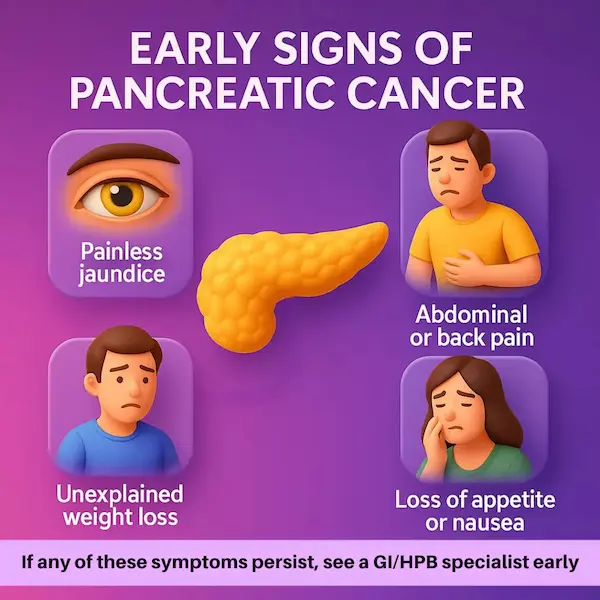
    Early warning signs you should never ignore

    The problem with pancreatic cancer is that the early symptoms are vague. But certain patterns should immediately make you think, “I need to see a doctor.”

    1. Persistent upper abdominal pain
      • Often in the upper abdomen, sometimes radiating to the back
      • May be worse at night or when lying down
    2. Pain in the mid-back
      • Dull ache where a bra strap would sit (for women) or mid-spine discomfort
    3. Unintentional weight loss and loss of appetite
      • Clothes becoming loose without trying
      • Early fullness, bloating, indigestion
    4. Jaundice (pilia)
      • Yellowing of eyes and skin
      • Dark urine, pale/clay-coloured stools, itching
      • Often due to a tumour blocking the bile duct
    5. New-onset diabetes or a sudden change in diabetes control
      • Diabetes diagnosed after age 40–50 with unexplained weight loss or abdominal pain
      • Existing diabetes suddenly becomes hard to control
    6. Persistent digestive problems
      • Nausea, vomiting, bloating
      • Oily or floating stools (steatorrhea) due to poor fat digestion
    7. Unusual fatigue, blood clots, or leg swelling
      • Deep vein thrombosis (DVT) in the legs can, in some cases, be linked with pancreatic cancer.
    Social media post design 2025 11 12T101603.458

    If these symptoms persist for more than 2–3 weeks, especially if you are over 40 or have risk factors, please consult a specialist – don’t self-medicate endlessly.


    Pancreatic cancer awareness is important for Jharkhand

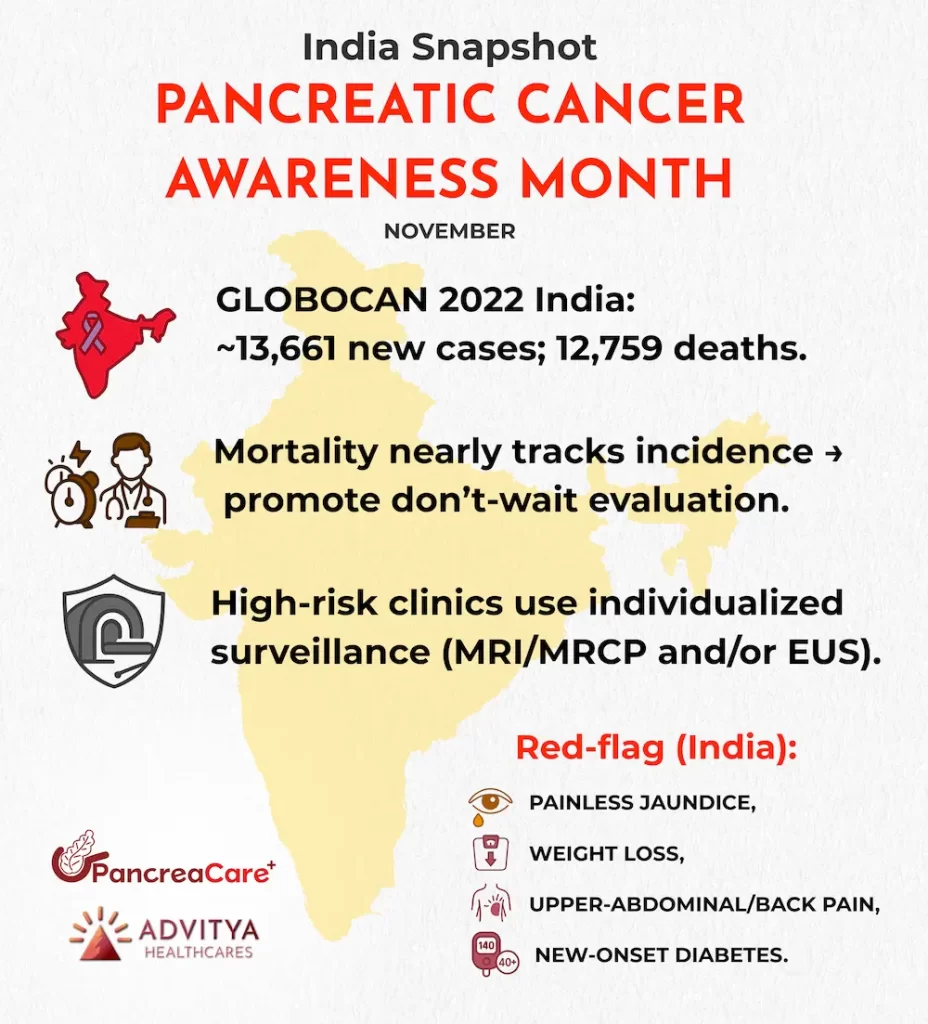
    India is seeing a rising trend in pancreatic cancer, with the disease ranking 24th in incidence but 18th in mortality, meaning far more people die from it than you would expect from the number of cases.

    For people in Jharkhand – including Ranchi, Dhanbad, Hazaribagh, Bokaro, Jamshedpur and nearby districts – several factors increase concern:

    • High use of tobacco and smoking, which are known risk factors for pancreatic and other cancers.
    • Rising rates of type 2 diabetes, obesity, and sedentary lifestyle.
    • Many people still delay seeing a specialist, assuming “gas,” “ulcer,” or “age-related weakness.”

    Our goal at PancreaCare by Advitya Healthcares is simple:

    If you live in Jharkhand and have persistent warning signs, you should NOT ignore them.


    You cannot change age or genes, but you can still lower your risk

    While no one can remove every risk, many day-to-day choices make a big difference:

    • Quit smoking and avoid all forms of tobacco
    • Limit alcohol intake and avoid binge drinking
    • Maintain a healthy weight with a balanced diet and regular exercise
    • Keep diabetes and blood pressure under control with regular follow-up
    • Treat chronic pancreatitis or gallstone disease as advised instead of ignoring repeated attacks
    Untitled design (7)

    Small lifestyle changes today can protect families in Ranchi for years. They also improve daily energy, digestion and stamina, making it easier to face any health challenge in the future.


    Why PancreaCare by Advitya Healthcares is a trusted partner in pancreatic care

    At PancreaCare by Advitya Healthcares in Ranchi, pancreatic and HPB (hepato-pancreato-biliary) evaluation is handled by a dedicated team that works closely with radiology, endoscopy, surgery and oncology. Our center acts as a focused hub for patients from all over Jharkhand, and when needed we connect them smoothly to our advanced facilities in Kolkata . We believe in clear communication, shared decision-making and regular follow-up, so that patients and families never feel alone or confused during treatment.

    If you live in Ranchi and notice persistent upper abdominal pain, unexplained weight loss, jaundice or sudden changes in diabetes control, do not ignore it or rely only on over-the-counter medicines. Take the first step and speak to a specialist who understands pancreatic disease. For residents of Ranchi and neighbouring districts, early consultation can be the difference between late discovery and timely, life-extending treatment.

    Pancreatic cancer may be a difficult disease, but awareness truly gives you power. Together, as a community in Jharkhand, we can move from fear and delay to early action, informed choices and realistic hope.

    WhatsApp Image 2025 08 26 at 10.44.03 PM (2)

    How PancreaCare by Advitya Healthcares in Ranchi & Kolkata can help

    At PancreaCare by Advitya Healthcares, our focus is on early evaluation and comprehensive care for pancreatic and HPB (hepato-pancreato-biliary) diseases.

    If you live in Jharkhand and have:

    • Persistent upper abdominal or back pain
    • Unexplained weight loss or new-onset diabetes
    • Jaundice or change in stool/urine colour
    • Long-standing chronic pancreatitis

    What can PancreaCare by Advitya Healthcares do for you that:

    • Pancreatic Surgery
    • Biliary and Liver Surgery
    • Gastrointestinal Oncology
    • Benign GI Conditions
    • Advanced Minimal Access Surgery
    WhatsApp Image 2025 09 17 at 11.12.16 PM

    Key message for Jharkhand:
    Don’t wait for “severe” symptoms. If something doesn’t feel right for more than a few weeks, get it checked.

    Time to take action

    If you have:

    • Chronic Pancreatitis
    • Acute Pancreatitis
    • Cystic Fibrosis
    • Autoimmune Pancreatitis
    • Hereditary Pancreatitis
    • Familial Pancreatitis

    This is the moment to act, not to wait and worry. If you or a family member has ongoing all of this above symptoms, don’t ignore it or don’t  keep changing medicines on your own. Reach out to PancreaCare by Advitya Healthcares for a focused evaluation of the pancreas and digestive system – our team can guide you on the right tests, the right specialist and the next steps. Call us,

    Early action can protect your health, your time and your peace of mind – take that first step today.

  • Pancreatic Cancer Awareness Month: Empowering Ranchi with The Expertise of Advitya Healthcares

    Pancreatic Cancer Awareness Month: Empowering Ranchi with The Expertise of Advitya Healthcares

    November is globally recognised as Pancreatic Cancer Awareness Month—a crucial period focused on educating, supporting, and empowering those at risk or affected by this formidable disease. Advitya Healthcares in Ranchi joins this vital campaign by offering facts, guidance, and hope for patients and families. ​

    What is Pancreatic Cancer?

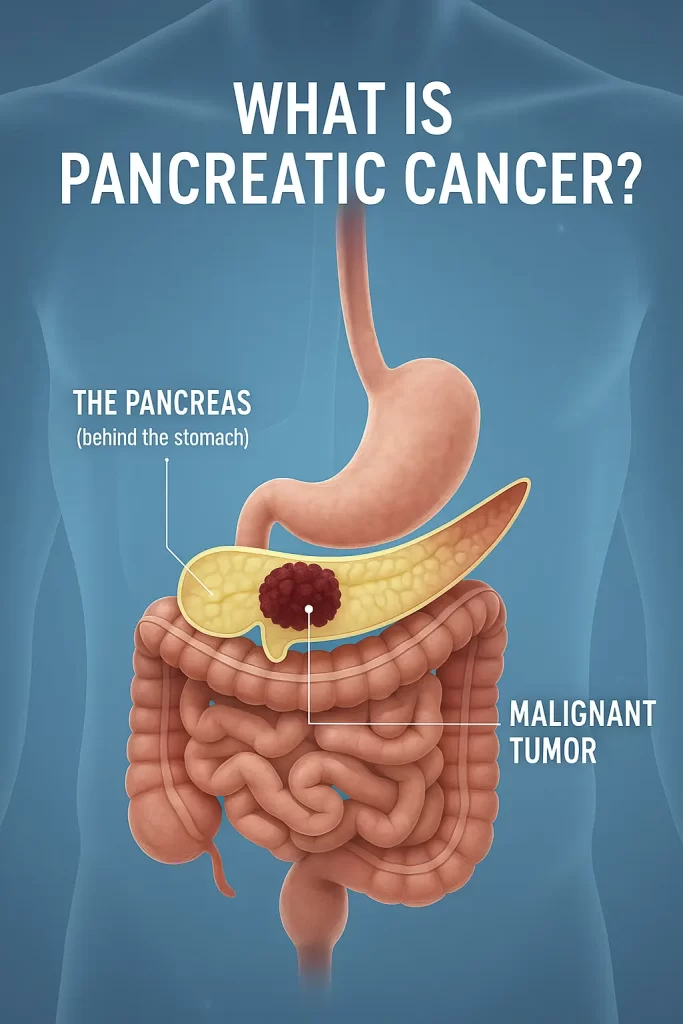
    Pancreatic cancer starts in the pancreas, a small organ behind the stomach that plays an essential role in digestion and blood sugar management. The most common type is pancreatic adenocarcinoma, which arises from cells lining the pancreatic ducts. Unfortunately, this cancer is known for its stealth—it grows slowly and often presents few symptoms until an advanced stage. ​

    What is pancreatic cancer

    Why Awareness Matters

    Pancreatic cancer is the seventh leading cause of cancer death worldwide—and cases are rising every year, including in India. A major hurdle is late diagnosis. Only about 15% of cases are diagnosed early enough for surgery, which is currently the only possible cure. Raising awareness about symptoms, risk factors, and the importance of early detection can drastically improve survival rates. ​

    Common Symptoms to Watch For

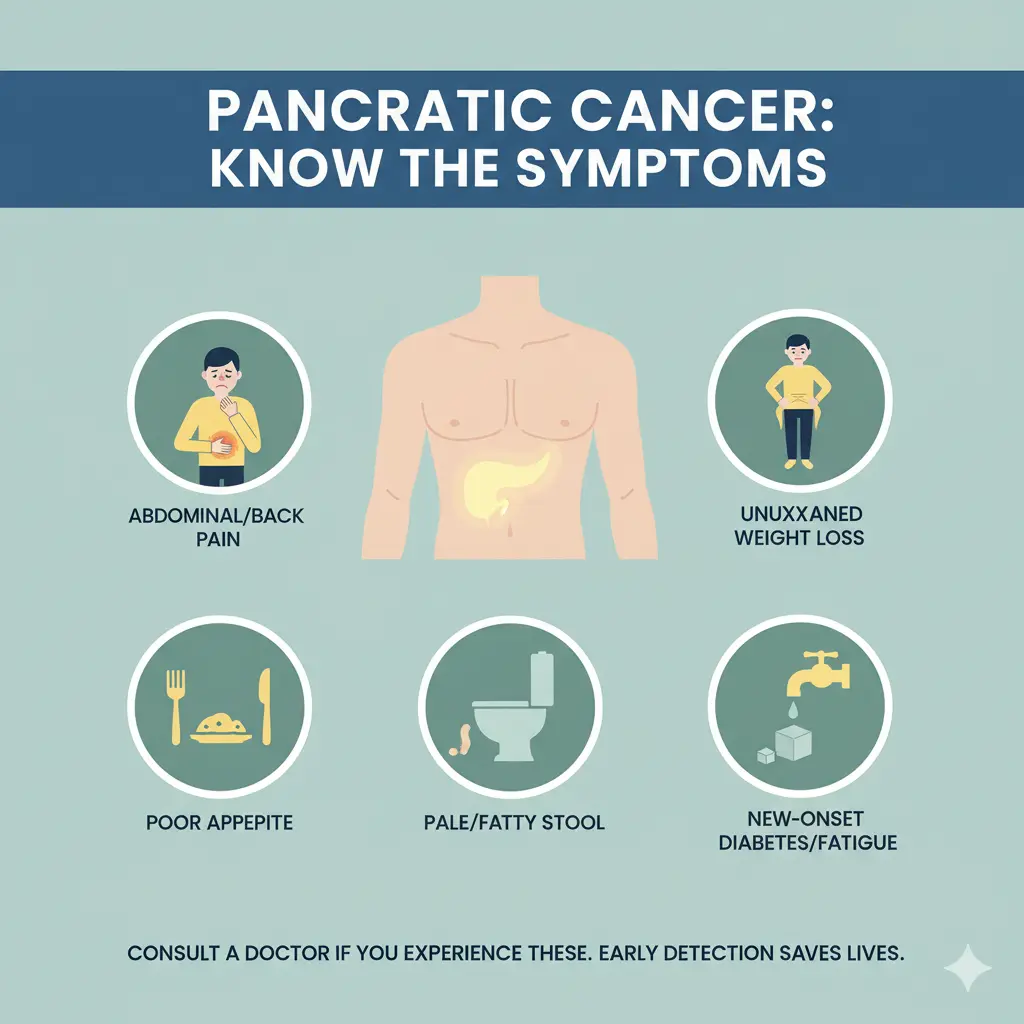
    Because pancreatic cancer can be silent, being alert to specific symptoms is essential, especially for people with known risks. Symptoms may include:

    • Persistent abdominal pain or discomfort
    • Jaundice (yellowing of the skin or eyes)
    • Dark urine or pale stools
    • Unexplained weight loss
    • Loss of appetite
    • Sudden onset of diabetes (not linked to obesity)
    Gemini Generated Image ypazyvypazyvypaz

    Early detection is crucial—if you notice these symptoms, consult your healthcare provider promptly.

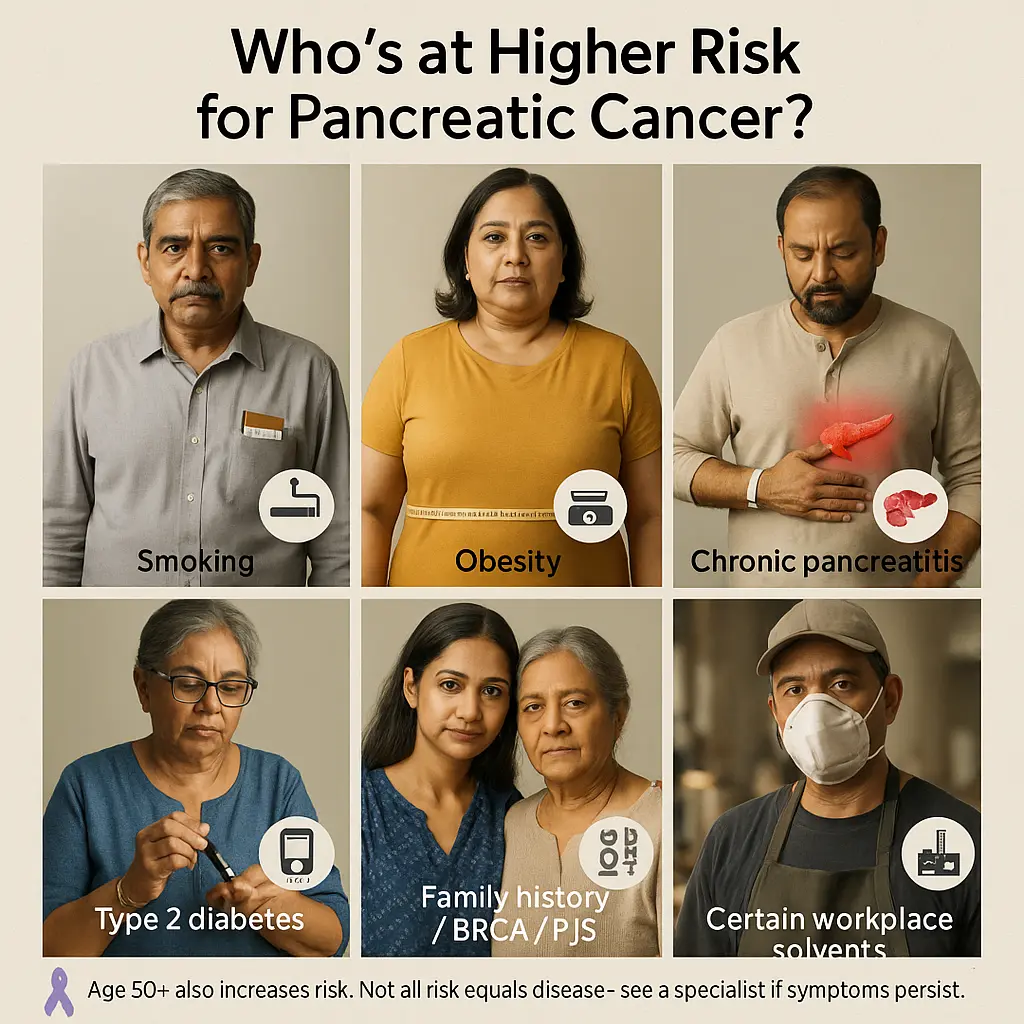
    Key Risk Factors

    While anyone can develop pancreatic cancer, some factors increase risk:

    • Age over 60
    • Smoking and excess alcohol use
    • Chronic pancreatitis (long-term inflammation of the pancreas)
    • Family history or genetic predisposition
    • Obesity and sedentary lifestyle
    • Diet high in processed or red meat
    • Diabetes, especially new-onset​

    Knowing your risk profile can prompt timely screening and intervention.

    Which Person's are at higher risk for Pancreatic Cancer

    Diagnosis and Modern Treatment Options

    For suspected cases, doctors recommend imaging tests such as CT scans, MRIs, and sometimes endoscopic ultrasounds. Blood tests or biopsy may be required to confirm diagnosis. ​

    Treatment depends on how far the cancer has progressed:

    • Surgery, like the Whipple procedure, if the tumor is localized and operable
    • Chemotherapy and radiation, often used for advanced cases to control symptoms and prolong life
    • Targeted therapies and supportive care to improve quality of life

    Advitya Healthcares provides comprehensive, personalized plans—multidisciplinary teams work to ensure every patient receives evidence-based and compassionate care.

    Prevention: How Lifestyle Changes Help

    Preventing pancreatic cancer means reducing modifiable risks:

    • Stop smoking and limit alcohol consumption
    • Maintain a healthy weight; exercise regularly
    • Eat a balanced diet rich in fruits, vegetables, and whole grains
    • Control chronic health conditions like diabetes
    • Get regular checkups, especially if you have a family history of cancer

    Community-level engagement and education go a long way toward preventing disease and ensuring a healthier future.

    Success Stories from Ranchi

    Real stories of survivors and courageous families help inspire hope. At Advitya Healthcares, several patients have benefited from early diagnosis and innovative therapies, leading to improved outcomes and quality of life. Sharing these stories during Awareness Month uplifts others and encourages proactive health decisions.

    Advitya Healthcares Ranchi Team

    Advitya Healthcares’s Initiatives During Awareness Month

    Advitya Healthcares launches several campaigns:

    Advitya Healthcares Campaigns in Ranchi
    • Public seminars by cancer specialists
    • Online webinars for patient education and support
    • Social media campaigns using hashtag #advityahealthcares
    • Distribution of educational pamphlets in English and local languages

    These activities aim to drive awareness, reduce stigma, and foster community support for affected families.

    Frequently Asked Questions (FAQ)

    Q: What are the earliest signs of pancreatic cancer?
    A: Back pain, loss of appetite, weight loss, jaundice, and sudden diabetes can be early warning signs. Seek medical advice if these symptoms persist.​

    Q: How is pancreatic cancer diagnosed?
    A: Doctors use blood tests, imaging (CT, MRI), ultrasounds, and occasionally biopsies as part of the diagnostic process.

    Q: What support does Advitya Healthcares offer?
    A: Multidisciplinary care, Pancreatic Surgery, Gastrointestinal Oncology, Biliary and Liver Surgery, Benign GI Conditions, Advanced Minimal Access Surgery, psychological counselling, nutritional guidance, and outreach programs are available through Advitya Healthcares. Contact us to learn more.

    Conclusion and Call to Action

    Pancreatic Cancer Awareness Month is more than a campaign—it’s a call to take charge of your health. Advitya Healthcares in Ranchi is your partner in early diagnosis, treatment, and compassionate support. If you or a loved one notices symptoms, has risk factors, or seeks cancer prevention guidance, don’t hesitate to contact our team. And not only Ranchi we also available in Kolkata & Gurgaon.

    Take action this November: share this blog, attend a local event, and help spread knowledge that could save a life. Together, let’s shine a light on pancreatic cancer and create a healthier Ranchi.


  • Pancreatic Cancer Awareness Month: Understanding Risk, Detection, and Care

    Pancreatic Cancer Awareness Month: Understanding Risk, Detection, and Care


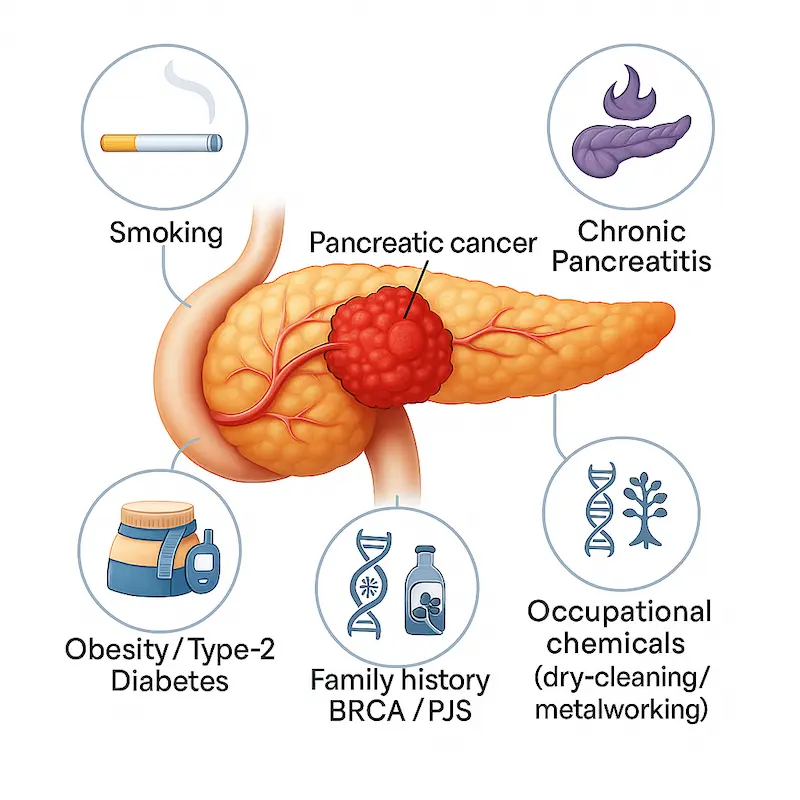
    Etiology & Risk Factors

    Chatgpt image nov 4, 2025, 06 49 45 pm

    Key risk factors include:

    • Tobacco use
    • Excess body weight and Type 2 diabetes
    • Chronic pancreatitis (often linked with alcohol/tobacco)
    • Family history and inherited syndromes (e.g., BRCA1/2, PALB2, Peutz-Jeghers)
    • Selected occupational exposures (e.g., solvents/metalworking fluids)

    India note (optional line in this section): Chronic pancreatitis—including tropical calcific pancreatitis seen in parts of India—carries a higher relative risk; escalate evaluation if pain/weight loss or sugars worsen.


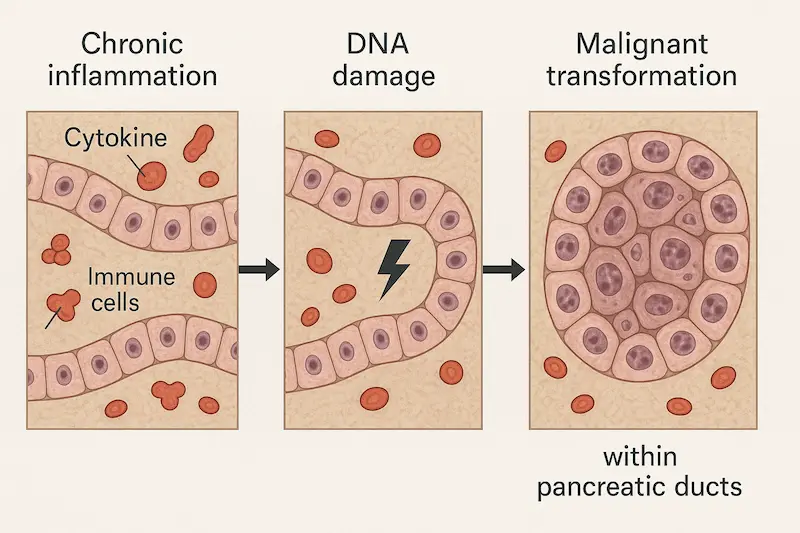
    Pathogenesis & Causes

    Chatgpt image nov 4, 2025, 06 51 08 pm

    Most pancreatic adenocarcinomas arise after long-standing inflammatory injury with accumulation of genetic alterations. This underlines the role of multidisciplinary evaluation and guideline-based care.


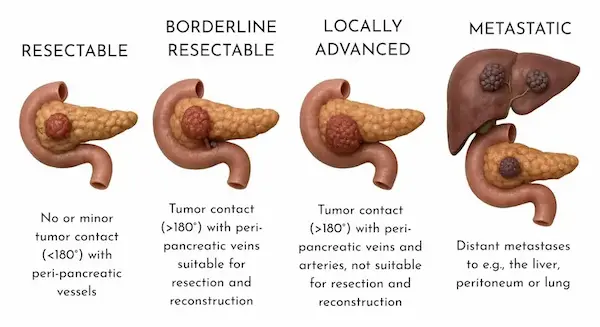
    Cancer Staging

    WhatsApp Image 2025 11 15 at 17.39.38 270ccf91
    Accurate staging guides therapy. Many centres categorise tumours as:

    • Resectable
    • Borderline resectable
    • Locally advanced
    • Metastatic

    This anatomy-based call determines whether patients proceed to surgery first or receive systemic therapy/chemoradiation before—or instead of—surgery.


    Signs & Clinical Presentation

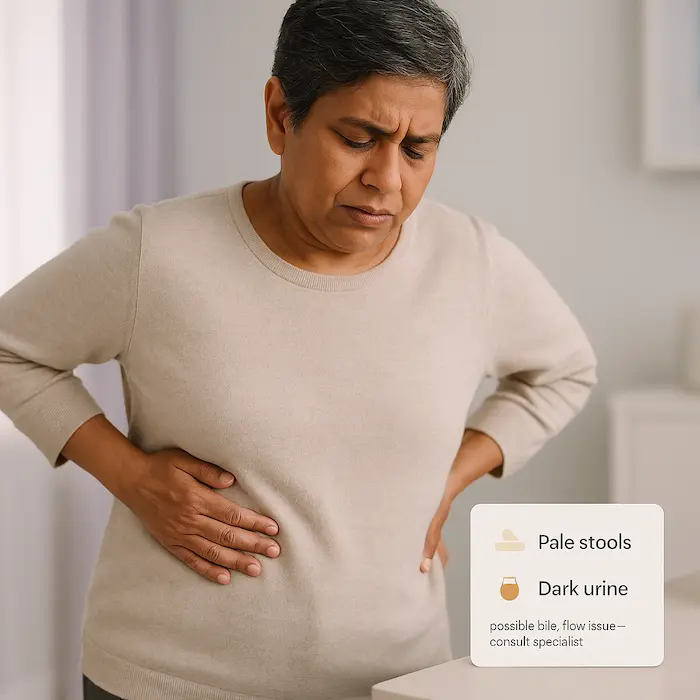
    Chatgpt image nov 4, 2025, 06 47 02 pm

    Watch for persistent combinations of:

    • Painless jaundice, dark urine, pale stools
    • Upper abdominal or back pain
    • Unintended weight loss, poor appetite, nausea

    New-onset diabetes or worsened glycaemic control (India: even after 40 merits attention when paired with weight loss)


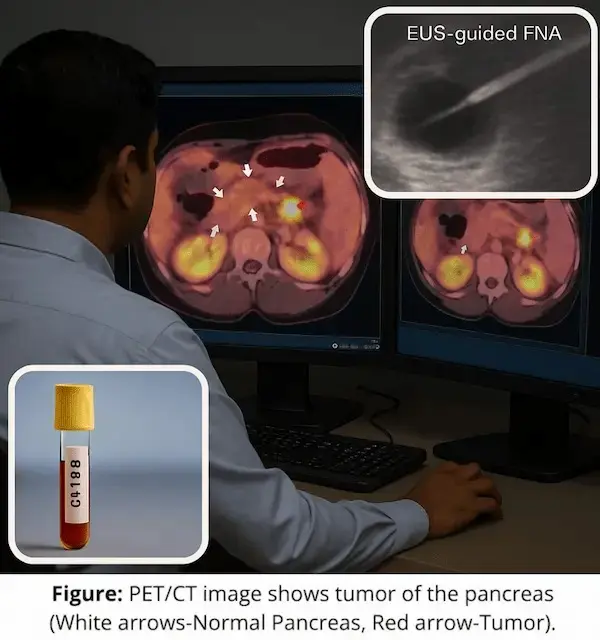
    Diagnostic Approaches

    PET/CT Image Showing Tumor of Pancreas

    Typical pathway:

    • Pancreas-protocol CT and/or MRI/MRCP
    • EUS-guided FNA (tissue diagnosis) when needed
    • CA 19-9: helpful for monitoring/prognosis, not population screening

    Treatment Modalities

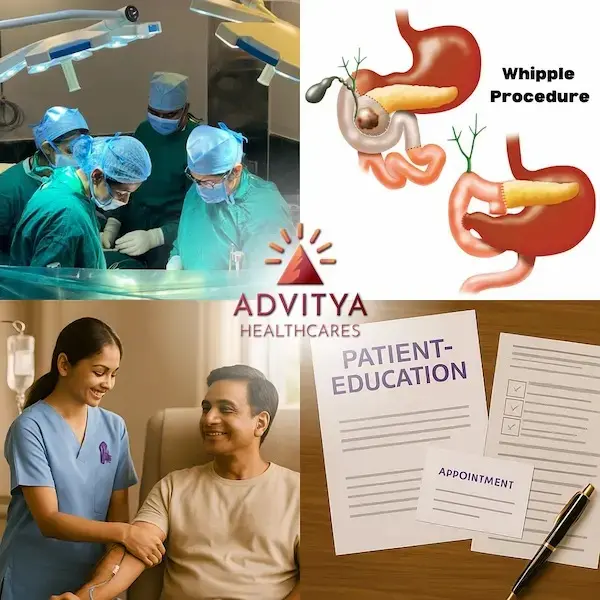
    WhatsApp Image 2025 11 15 at 17.39.39 441b3481
    1. Curative / Surgical
      • Whipple (pancreaticoduodenectomy) for head lesions; distal or total pancreatectomy as indicated
      • Adjuvant chemotherapy typically follows surgery
    2. Borderline Resectable / Locally Advanced
      • Often neoadjuvant chemotherapy ± radiation to improve R0 (margin-negative) resection chances, then restage
    3. Metastatic
      • Systemic therapy (commonly FOLFIRINOX, NALIRIFOX, or gemcitabine + nab-paclitaxel)
      • Consider biomarker-driven options for MSI-H/dMMR, NTRK fusions, or rare KRAS G12C
    4. Supportive Care
      • Biliary stenting (ERCP) for itch/jaundice relief
      • Pain control (including celiac plexus blocks)
      • Nutrition & pancreatic enzymes to counter malabsorption/weight loss

    India-ready notes to add in this section (short):

    • Adjuvant standard for fit patients: modified FOLFIRINOX; gemcitabine + capecitabine if FOLFIRINOX is unsuitable.
    • Regimen choice tailored to performance status, toxicity profile, and access.

    Survivorship & Aftercare

    WhatsApp Image 2025 11 15 at 17.39.39 0c96e845

    Key elements:

    • Imaging and labs for surveillance as advised
    • Pancreatic enzyme replacement (commonly ~30–40k lipase units with meals; 15–20k with snacks—titrated by clinicians)
    • Dietetic support and diabetes optimisation
    • Early palliative-care integration for pain, sleep, and quality-of-life
    • Discuss clinical trials at each decision point

    India Snapshot

    Red black and blue modern world lung cancer day instagram post (2)

    Conclusion: Awareness Leads to Action

    WhatsApp Image 2025 11 15 at 17.39.38 ae5f85e7

    Takeaway: Recognising subtle signs and moving quickly to a specialist team can change the story. If you have a strong family history or red-flag symptoms, ask about pancreas-protocol imaging, genetic counseling, and whether you’re eligible for high-risk surveillance.


    Additional Resources

    • India/Practice:
      • Indian guidance/consensus (oncology practice journals; GI/HPB working groups)
      • Clinical Trials Registry–India (CTRI) — search “pancreas”
    • Global/Patient-friendly:
      • American Cancer Society — Pancreatic Cancer (risk factors, symptoms)
      • NCI PDQ — Pancreatic Cancer (diagnosis, staging, treatment)
      • NCCN Guidelines for Patients — Pancreatic Cancer (treatment pathways)
      • Pancreatic Cancer Action Network (awareness & trial finder)
  • Liver Cancer Awareness Month: Understanding Risk, Detection, and Care

    Liver Cancer Awareness Month: Understanding Risk, Detection, and Care

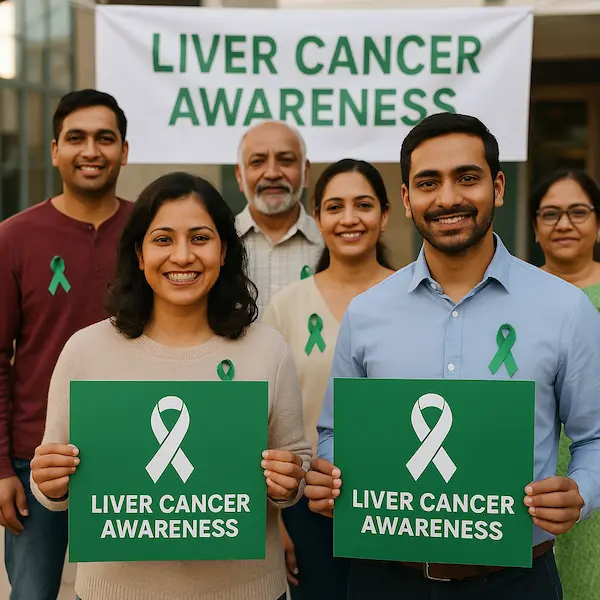
    October highlights Liver Cancer Awareness Month, an important opportunity to raise awareness of one of the fastest-growing cancer diagnoses worldwide. As liver cancer cases increase in many areas, early detection, prevention, and informed treatment decisions are crucial for improving patient outcomes.

    This article provides a comprehensive overview of risk factors, causes, staging, clinical symptoms, diagnostic tools, treatment options, and links to aftercare resources for individuals and families navigating liver cancer.

    Etiology and Risk Factors

    A green awareness ribbon Pancreas & Advitya Healthcares Ranchi and kolkata

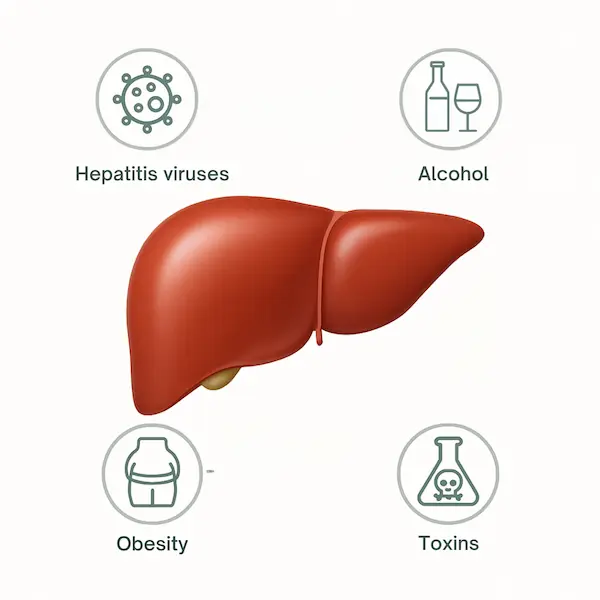
    Liver cancer primarily develops in individuals with underlying liver disease. The most common type, hepatocellular carcinoma (HCC), arises from hepatocytes (the primary liver cells). Intrahepatic cholangiocarcinoma, a cancer of the bile ducts within the liver, is less common but clinically significant.

    Key risk factors include:

    • Chronic viral hepatitis (HBV, HCV)
    • Cirrhosis (from alcohol, viral hepatitis, or non-alcoholic steatohepatitis)
    • Heavy alcohol consumption
    • Non-alcoholic fatty liver disease (NAFLD)
    • Obesity and Type 2 diabetes
    • Tobacco use
    • Exposure to aflatoxins (naturally occurring toxins in certain foods)
    • Family history of liver cancer
    • Hemochromatosis and other inherited liver disorders

    Preventive strategies such as hepatitis B vaccination, harm reduction for hepatitis C transmission, and lifestyle modification play a critical role in reducing liver cancer risk.

    Pathogenesis and Causes

    Liver cancer typically develops in the setting of chronic inflammation and hepatocellular injury, which promotes DNA damage, fibrosis, and eventual malignant transformation of liver cells.

    Key pathological processes include:

    • Chronic hepatitis (viral or autoimmune)
    • Fibrosis and cirrhosis progression
    • Cellular dysplasia within regenerative nodules
    • Genetic mutations or epigenetic alterations

    Understanding these mechanisms helps develop targeted therapies and surveillance protocols for high-risk populations.

    Cancer Staging

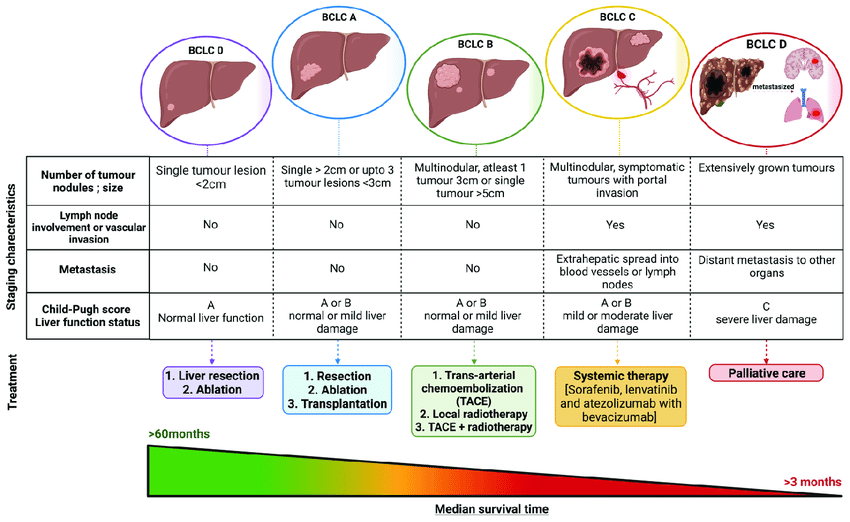
    Classification of hcc and its characteristics based on the bclc staging system hcc can Pancreacare logo with white background

    Accurate staging guides treatment and prognostication. Most institutions use the Barcelona Clinic Liver Cancer (BCLC) staging system, which considers tumour burden, liver function, performance status, and cancer-related symptoms.

    General Stages:

    • Stage 0 (Very Early): Single small tumour (<2 cm), preserved liver function
    • Stage A (Early): Single or up to three nodules <3 cm, no vascular invasion
    • Stage B (Intermediate): Multiple tumours without vascular invasion
    • Stage C (Advanced): Portal vein invasion or extrahepatic spread
    • Stage D (End-Stage): Severely impaired liver function, poor performance status

    Staging also considers the Child-Pugh score and the Model for End-Stage Liver Disease (MELD) in therapeutic decision-making.

    Signs and Clinical Presentation

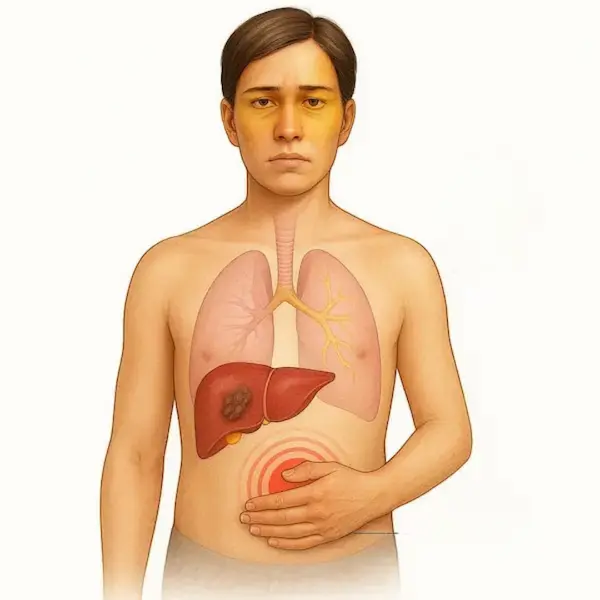
    Clinical representation of a patient experiencing liver cancer symptoms, including abdominal pain and jaundice, with anatomical highlights Advitya healthcares

    Early-stage liver cancer may be asymptomatic. When symptoms do emerge, they often indicate disease progression:

    • Right upper quadrant abdominal pain or fullness
    • Unexplained weight loss
    • Anorexia and early satiety
    • Fatigue and weakness
    • Ascites
    • Jaundice (yellowing of skin and sclera)
    • Pruritus
    • Pale stools and dark urine
    • Hepatomegaly or palpable mass

    Due to nonspecific symptoms, high-risk individuals should undergo routine surveillance imaging and blood work

    Diagnostic Approaches

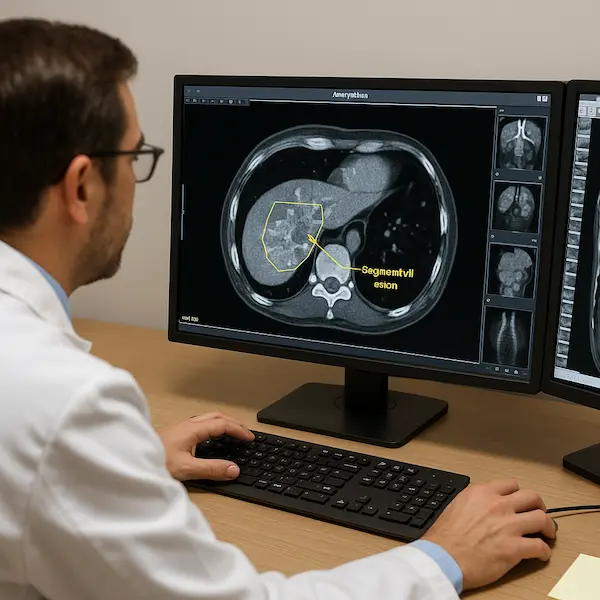
    Clinical representation of a patient experiencing liver cancer symptoms, including abdominal pain and jaundice, with anatomical highlights Advitya healthcares 2

    Diagnosis of liver cancer involves a combination of imaging, laboratory testing, and in some cases, histologic confirmation:

    • Imaging: Multiphasic contrast-enhanced MRI or CT scan to assess arterial enhancement and washout pattern
    • Serum biomarkers: Elevated alpha-fetoprotein (AFP) levels, though not definitive alone
    • Liver biopsy: Generally reserved for indeterminate imaging findings or clinical trials
    • Liver function tests: AST, ALT, ALP, bilirubin, INR to evaluate hepatic reserve

    High-risk patients (e.g., those with cirrhosis or HBV/HCV) should undergo ultrasound screening every 6 months.

    Treatment Modalities

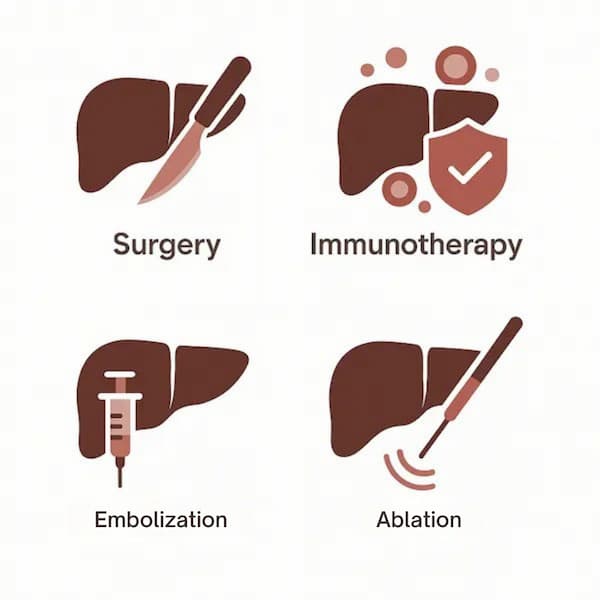
    Icons or infographic showing various treatment options for liver cancer, including surgery, immunotherapy, embolisation, and ablation

    Treatment is individualised based on cancer stage, liver function, patient health, and institutional resources. Options include:

    1. Curative Therapies – add images – add images for right hepatectomy, left hepatectomy, trisegmentectomy

    • Surgical resection: Preferred for localised tumours and adequate liver reserve
    • Liver transplantation: Ideal for patients within the Milan criteria
    • Local ablation: Radiofrequency or microwave ablation for small lesions

    2. Locoregional Therapies

    • Transarterial chemoembolization (TACE)
    • Transarterial radioembolization (TARE)

    3. Systemic Therapies

    • Targeted therapies: Sorafenib, Lenvatinib, Regorafenib, Cabozantinib
    • Immunotherapy: Atezolizumab plus Bevacizumab is a first-line standard
    • Chemotherapy: Limited role; used in select cases

    4. Palliative and Supportive Care

    • Symptom management, nutrition, psychological support

    Multidisciplinary care is essential—often involving hepatologists, oncologists, interventional radiologists, and surgeons

    Survivorship & Aftercare

    Icons or infographic showing various treatment options for liver cancer, including surgery, immunotherapy, embolisation, and ablation

    Long-term follow-up is essential for:

    • Detecting recurrence (imaging, AFP monitoring)
    • Managing comorbid liver disease
    • Supporting physical and emotional recovery
    • Providing nutritional guidance
    • Monitoring for treatment-related complications

    👉 For comprehensive information, visit our previous post:
    Aftercare for Liver Cancer Survivors: A Guide to Ongoing Health and Support

    Conclusion: Awareness Leads to Action

    Icons or infographic showing various treatment options for liver cancer, including surgery, immunotherapy, embolisation, and ablation

    Liver Cancer Awareness Month reminds us of the urgent need for education, screening, and access to care. Increased awareness leads to earlier diagnosis, improved survival, and better quality of life for those affected.

    If you or someone you know is at risk, speak with a healthcare provider about screening options.


    📚 Additional Resources


    Disclaimer: The information provided in this article is for educational purposes only and should not be interpreted as medical advice. Always consult with a qualified healthcare provider for any health concerns or decisions regarding diagnosis and treatment

  • Acute Pancreatitis: A Sudden Inflammation You Can’t Ignore

    Acute Pancreatitis: A Sudden Inflammation You Can’t Ignore

    What is Acute Pancreatitis?

    Acute pancreatitis is a sudden inflammation of the pancreas that develops within hours to days. It ranges from mild, short-lived discomfort to severe, life-threatening illness.

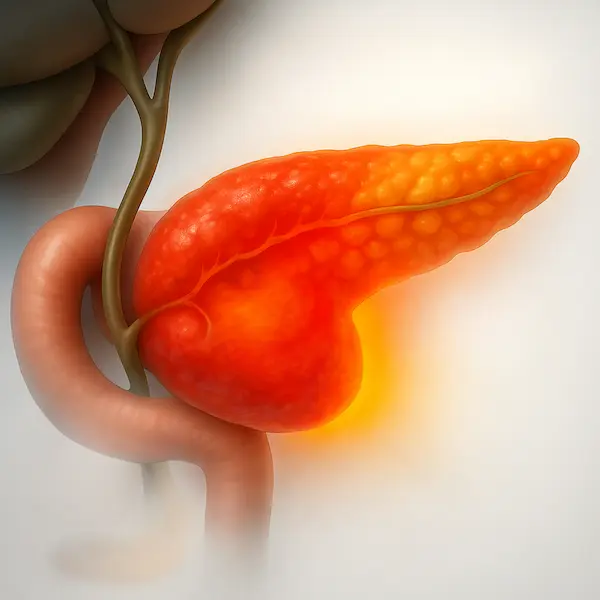
    The pancreas normally releases digestive enzymes into the small intestine. In acute pancreatitis, these enzymes become trapped inside and begin digesting the pancreas itself — causing swelling, pain, and sometimes organ failure.

    Causes of Acute Pancreatitis

    The two most common triggers are:

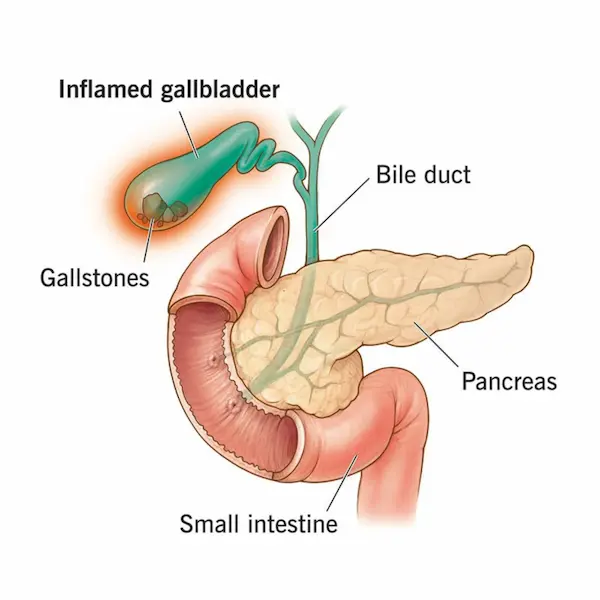
    • Gallstones → Block the duct and trap enzymes inside.

    • Alcohol use → Heavy drinking irritates and inflames pancreatic tissue.

    Other causes include:

    • High triglycerides (>1000 mg/dL)

    • Certain medications

    • Trauma or post-surgical complications

    • Viral infections (mumps, hepatitis)

    • Genetic predispositions

    Patient eating healthy with enzymes beside plate, caption 'Living Well with Chronic Pancreatitis' Advitya healthcare

    Symptoms

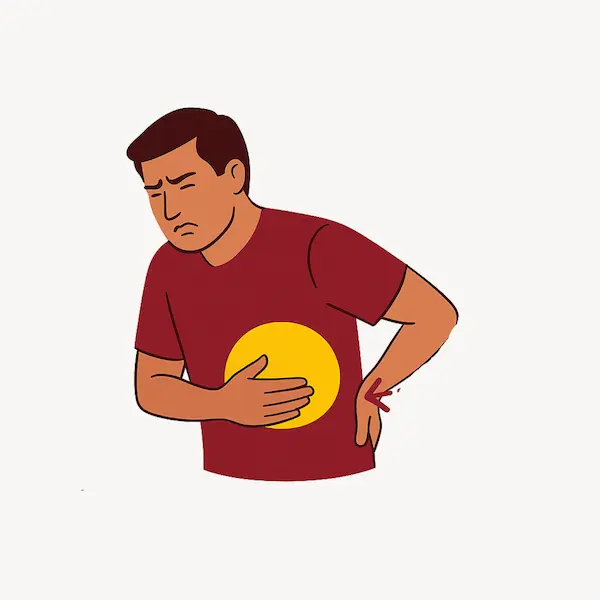
    • Sudden, severe upper abdominal pain (often radiates to the back)

    • Pain worsens after eating, especially fatty meals

    • Nausea and repeated vomiting

    • Fever, swollen belly, rapid pulse

    • Severe cases: difficulty breathing, confusion, low blood pressure

    Patient holding abdomen with pain radiating to back advitya healthcare

    Diagnosis

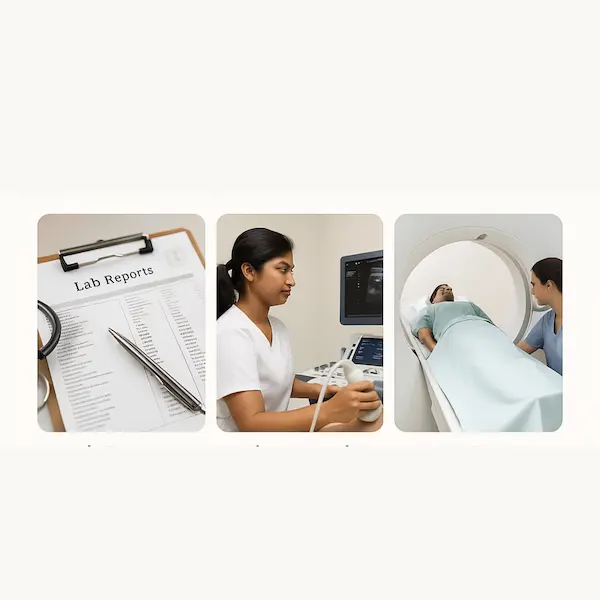
    • Blood tests: Elevated amylase & lipase

    • Ultrasound: Looks for gallstones, swelling

    • CT/MRI scans: Detects severity and complications

    • ERCP/MRCP: Detailed duct imaging

    Collage of lab reports, ultrasound, CT scan Advitya healthcare

    Treatment & Hospital Care

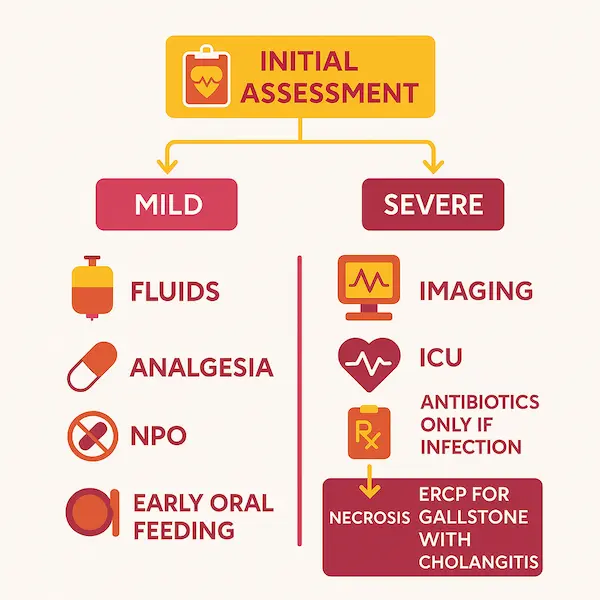
    Most patients need hospitalization. Treatment includes:

    • IV fluids

    • Pain relief

    • Bowel rest (no food initially)

    • Gallstone removal if needed

    • Antibiotics or drainage for infection

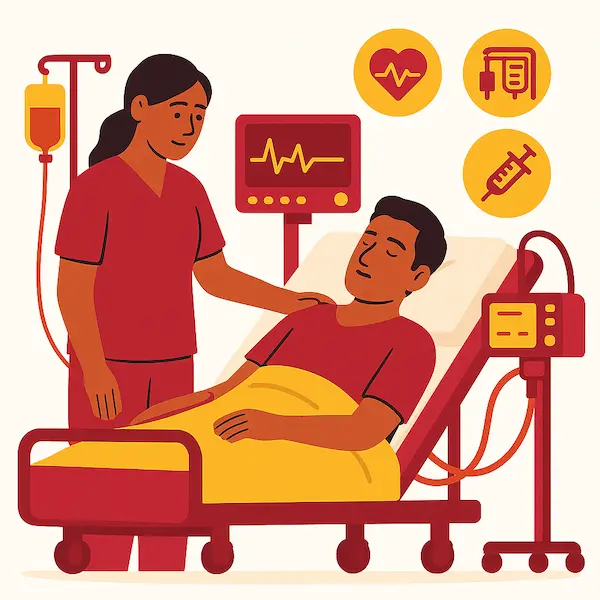
    • ICU care for severe cases

    : ICU care illustration

    Complications

    • Pancreatic necrosis

    • Abscesses or pseudocysts

    • Organ failure (lungs, kidneys, heart)

    • Sepsis

    : ICU care illustration

    Takeaway

    Acute pancreatitis is a medical emergency. If you have sudden, severe abdominal pain, seek care immediately. Early treatment saves lives.

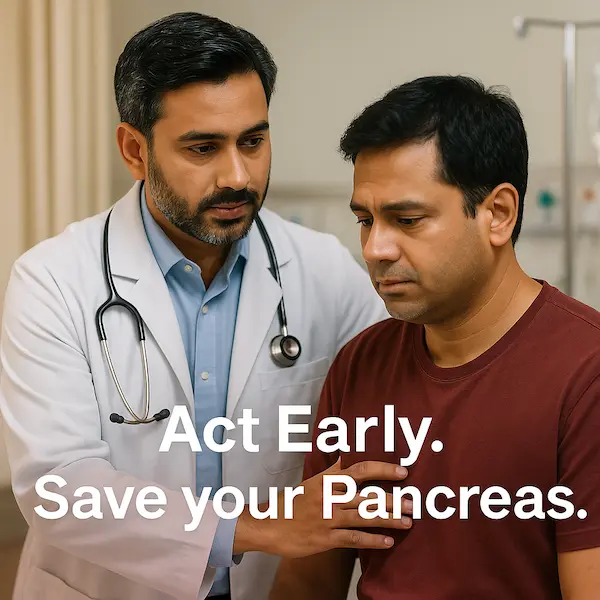
    Doctor reassuring patient in ER with caption 'Act Early. Save Your Pancreas Advitya Healthcrae
  • Chronic Pancreatitis: When Inflammation Becomes Permanent

    Chronic Pancreatitis: When Inflammation Becomes Permanent

    What is Chronic Pancreatitis?

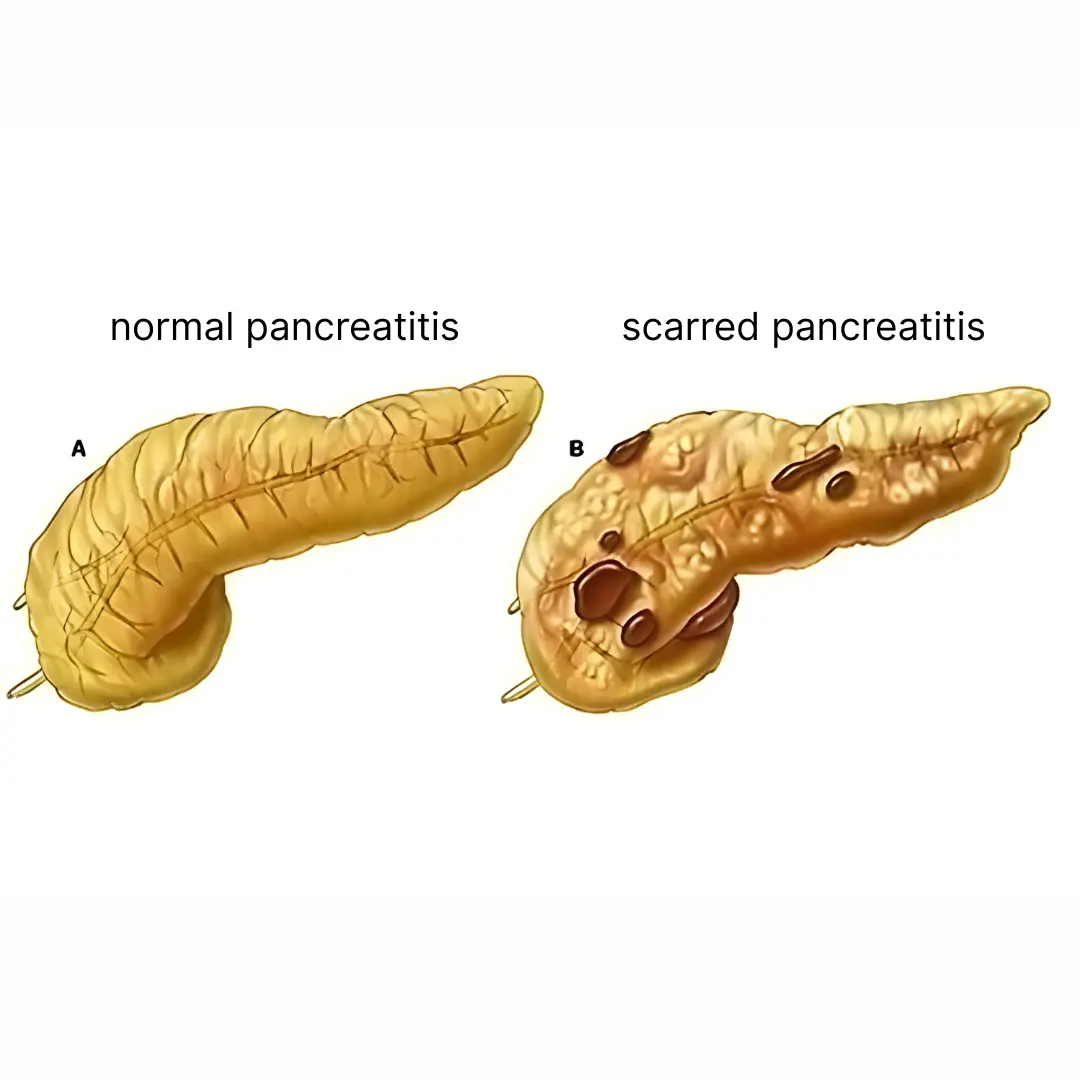
    Chronic pancreatitis is a long-term, progressive inflammation of the pancreas. Unlike acute attacks, the damage is irreversible.

    Over time, the pancreas becomes scarred and loses its ability to make enzymes and insulin — leading to digestive problems and diabetes.

    Causes

    • Alcohol abuse (most common in adults)

    • Genetic mutations (PRSS1, SPINK1, CFTR)

    • Smoking

    • Autoimmune pancreatitis

    • Obstructive causes (strictures, tumors)

    • Idiopathic (unknown)

    Symptoms

    • Persistent/recurrent upper abdominal pain (radiates to back)

    • Indigestion, bloating, diarrhea

    • Steatorrhea (oily, foul-smelling stools)

    • Unexplained weight loss

    • Diabetes in later stages

    Patient showing weight loss and digestive issues Adviya healthcare

    Diagnosis

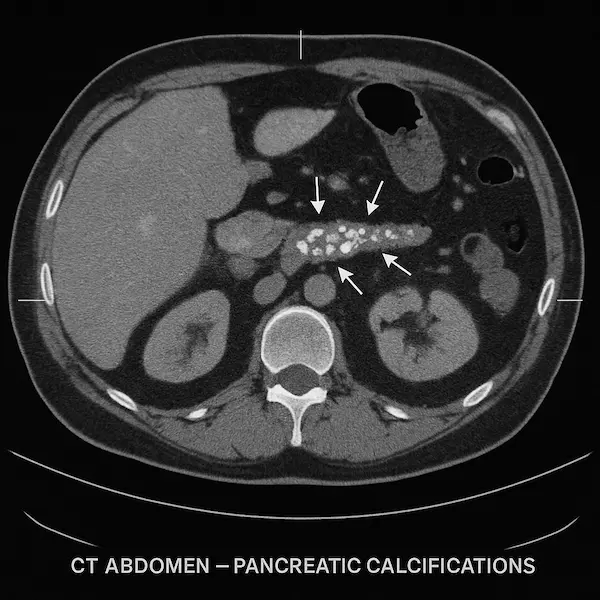
    • CT, MRI, MRCP: Show scarring, duct dilation, calcifications

    • Endoscopic ultrasound (EUS): Detects early fibrosis

    • Stool elastase test: Measures enzyme deficiency

    • Blood sugar tests: Screen for diabetes

    CT scan showing calcified pancreas , advitya healthcare

    Treatment

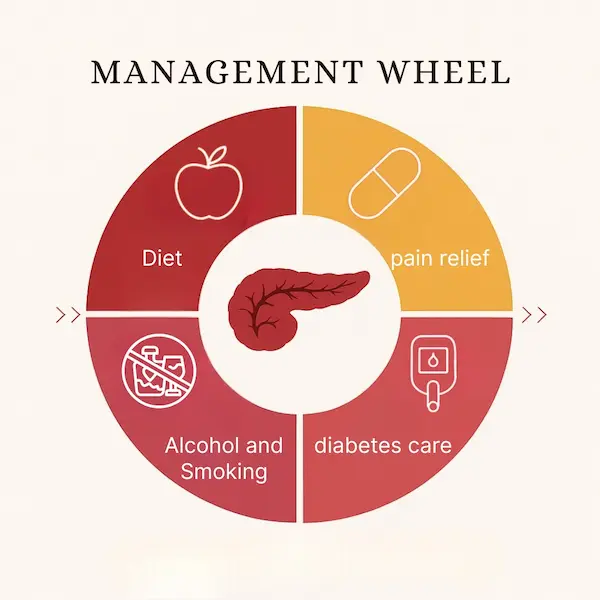
    There is no cure, but management includes:

    • No alcohol, no smoking

    • Pancreatic enzyme supplements (PERT)

    • Pain management (medications, nerve blocks, surgery)

    • Nutritional support (high-protein, low-fat diet, vitamins)

    • Diabetes management (insulin or oral agents)

    Management wheel — enzymes, diet, pain relief, diabetes care Advitya healthcare

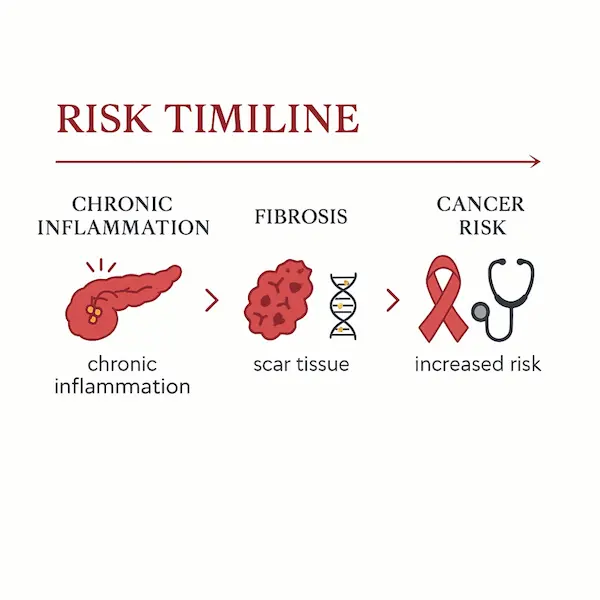
    Complications

    • Severe malnutrition

    • Osteoporosis

    • Chronic pain and opioid dependence

    • Pancreatic cancer risk

    Risk timeline — chronic inflammation → cancer risk Advitya Healthcare

    Takeaway

    Chronic pancreatitis is lifelong, but with the right care, many patients live well. Absolute alcohol and smoking cessation, enzyme supplements, and follow-up care are essential.

    Patient eating healthy with enzymes beside plate, caption 'Living Well with Chronic Pancreatitis' Advitya healthcare