


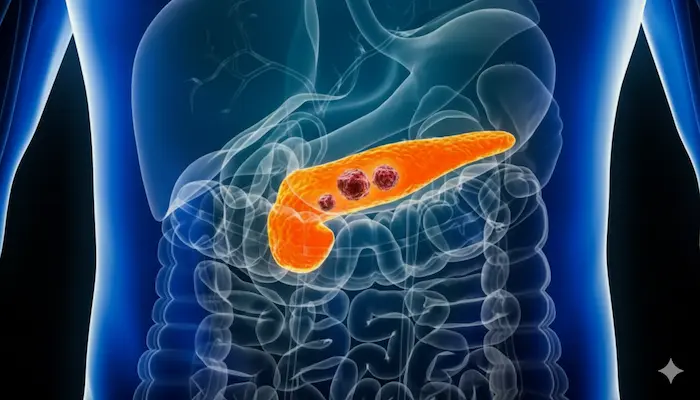
Pancreatic cancer is one of the most feared cancers of the digestive system. Often called the “silent killer”, it develops quietly with almost no early symptoms. By the time it’s discovered, the disease is usually advanced. That’s why awareness, timely check-ups, and early detection are so critical.
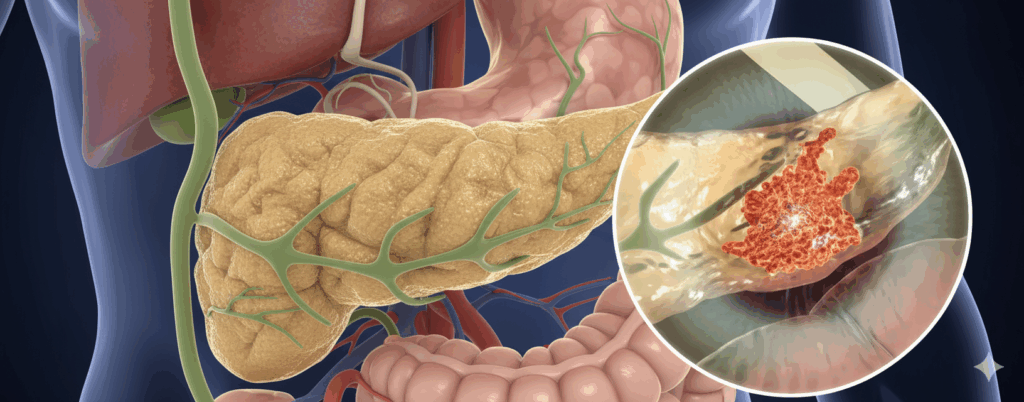
What is Pancreatic Cancer?
Pancreatic cancer begins when abnormal cells in the pancreas grow uncontrollably. The pancreas, hidden deep in the abdomen, has two main jobs:
• Producing digestive enzymes to help break down food
• Producing hormones like insulin to regulate blood sugar
The most common type is pancreatic adenocarcinoma, arising from the ductal cells of the pancreas.
Causes and Risk Factors
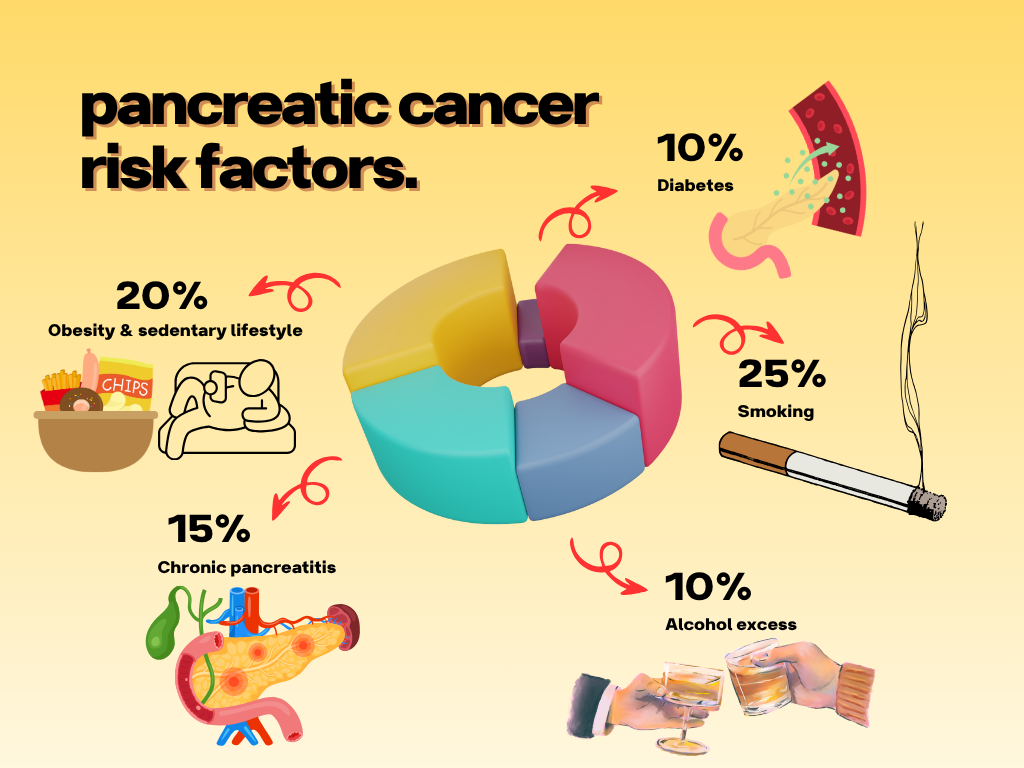
There’s no single cause, but certain factors raise the risk:
• Age: Most cases occur after 60
• Smoking: Strongest preventable risk factor
• Chronic pancreatitis: Long-term inflammation of the pancreas
• Diabetes: Especially new-onset after age 50
• Obesity and sedentary lifestyle
• Family history/genetics: BRCA2, Lynch syndrome
• Alcohol excess: Via chronic pancreatitis and liver injury
• Diet: High in processed/red meats, low in fruits/vegetables
Symptoms: Why Early Detection is Hard
• Persistent upper abdominal or back pain
• Unexplained weight loss
• Loss of appetite, bloating, indigestion
• Jaundice: yellow skin/eyes, dark urine, pale stools
• New-onset diabetes in adults >50 years (not obese)
• Fatigue and weakness
Diagnosis
• Imaging: CT, MRI, PET scans
• Endoscopic Ultrasound (EUS): Precise imaging, biopsy possible
• ERCP: Examines ducts, allows stenting and tissue sampling
• Blood tests: CA 19-9 tumor marker (not always specific)
• Biopsy: Final confirmation under microscope
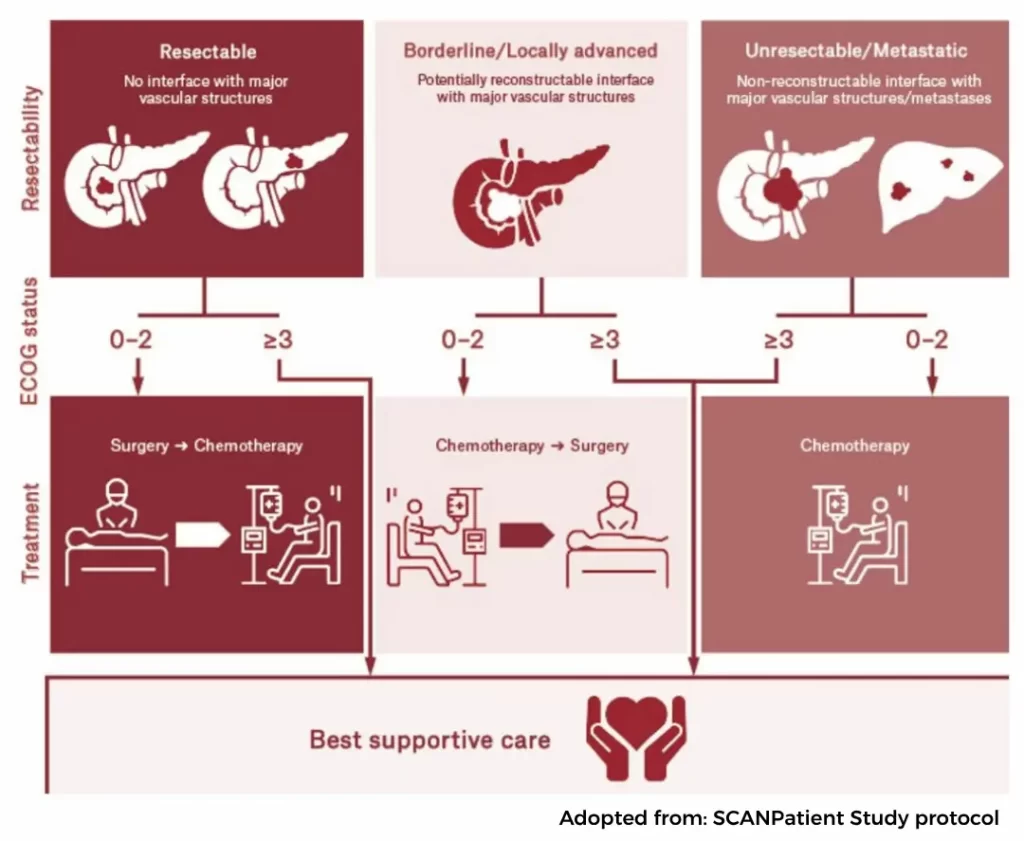
Treatment Options
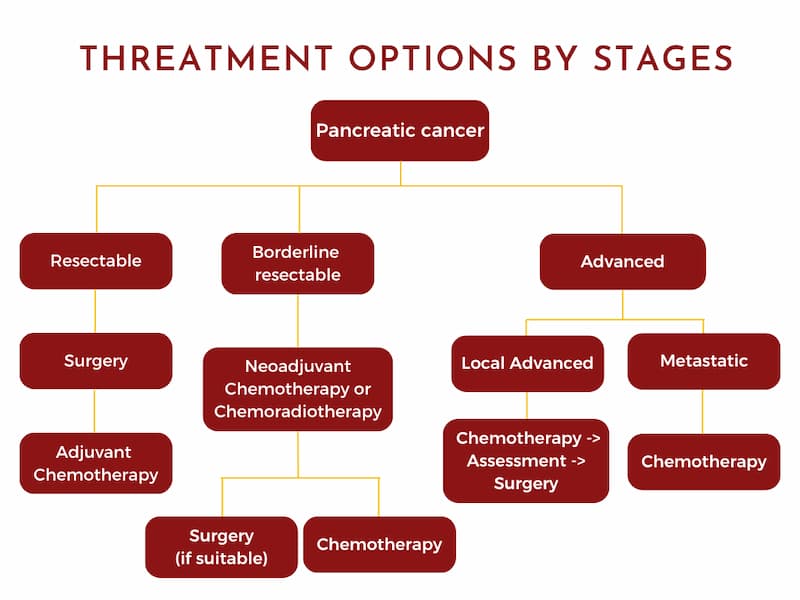
Treatment depends on stage and patient health:
1) Surgery
• Whipple procedure (head of pancreas)
• Distal pancreatectomy (tail/body)
• Total pancreatectomy (rare, extensive disease)
2) Chemotherapy – neoadjuvant (before surgery), adjuvant (after surgery), or for advanced disease
3) Radiation therapy – often combined with chemotherapy
4) Targeted therapy & Immunotherapy – for specific mutations and selected cases
5) Palliative care – pain relief and symptom management for advanced stages
Prognosis & Why Early Detection Matters
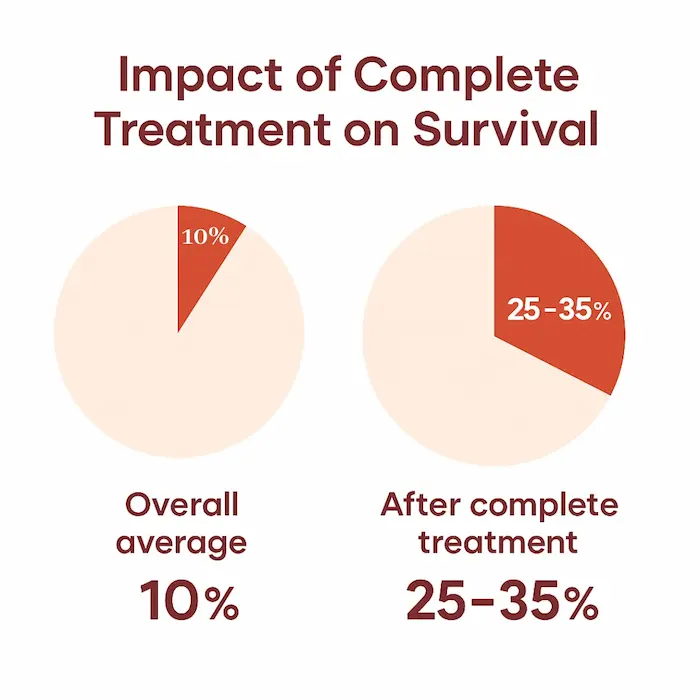
While pancreatic cancer is serious, outcomes are significantly better when detected early and treated fully:
• Patients who undergo curative surgery plus chemotherapy achieve 5-year survival rates of 20–30%, sometimes even up to 35–40% in specialized centers.
• Unfortunately, many patients are diagnosed at advanced stages, when curative surgery isn’t possible. This lowers the overall average survival to around 10–12%.

Leave a Reply
You must be logged in to post a comment.