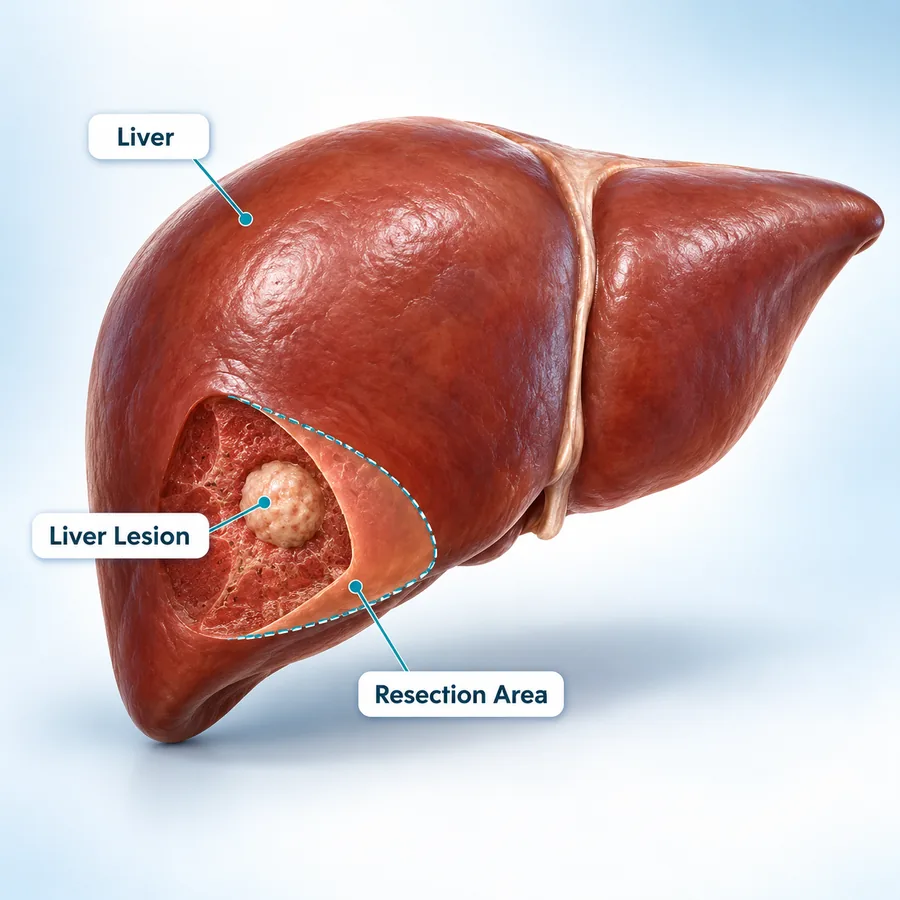
Liver Surgery
Resection of primary and secondary liver tumours, benign liver lesions and liver cysts, by open or minimally invasive approach.
Discuss with our team

Advitya Healthcares · Kolkata & Baruipur
KolkataBaruipur
Consultation venue and timings confirmed at the time of booking
WhatsApp UsHPB stands for hepato-pancreato-biliary — the liver, the bile ducts and gallbladder, and the pancreas. Surgery on these organs is delivered at Advitya Healthcares within a gastrointestinal and surgical oncology practice experienced in complex abdominal disease, with consultations available in Kolkata and Baruipur. Liver cancer has a page of its own.
Your scans, blood tests, liver and pancreatic function, previous treatment and overall health are all considered before a plan is made. Whether an operation is needed at all, which organ it involves, and whether an open or minimally invasive approach is suitable, is decided after assessment and, where the condition is a cancer, through multidisciplinary review.
The surgical team is led by Dr. Deeksha Kapoor, a surgical gastroenterologist and HPB & GI surgical oncologist. She trained in surgical gastroenterology at Medanta – The Medicity, completed an HPB & GI Surgical Oncology Fellowship at Tata Memorial Hospital, Mumbai, is console-trained in robotic surgery on the Da Vinci Xi platform, and has pursued advanced HPB training in Japan, Germany and France. She leads the PancreaCare initiative at Advitya Healthcares.
Before surgery you are told what the operation involves, which part of the liver, bile duct or pancreas is affected, what anaesthesia is planned and what recovery looks like. After surgery you receive specific advice on diet, activity, wound care, follow-up scans and any further treatment. Sudden severe abdominal pain, rapidly increasing jaundice, vomiting blood, high fever or confusion need emergency assessment the same day.
HPB stands for hepato-pancreato-biliary: the liver, the bile ducts and gallbladder, and the pancreas. HPB surgery is the branch of surgery that deals with disease in these organs.
These organs share one drainage system. Bile made in the liver runs through the bile ducts, is stored in the gallbladder and empties into the duodenum alongside the pancreatic duct. Disease in one organ often affects the others, and an operation on any of them has to respect the same blood vessels and ducts — which is why they are handled as a single speciality.
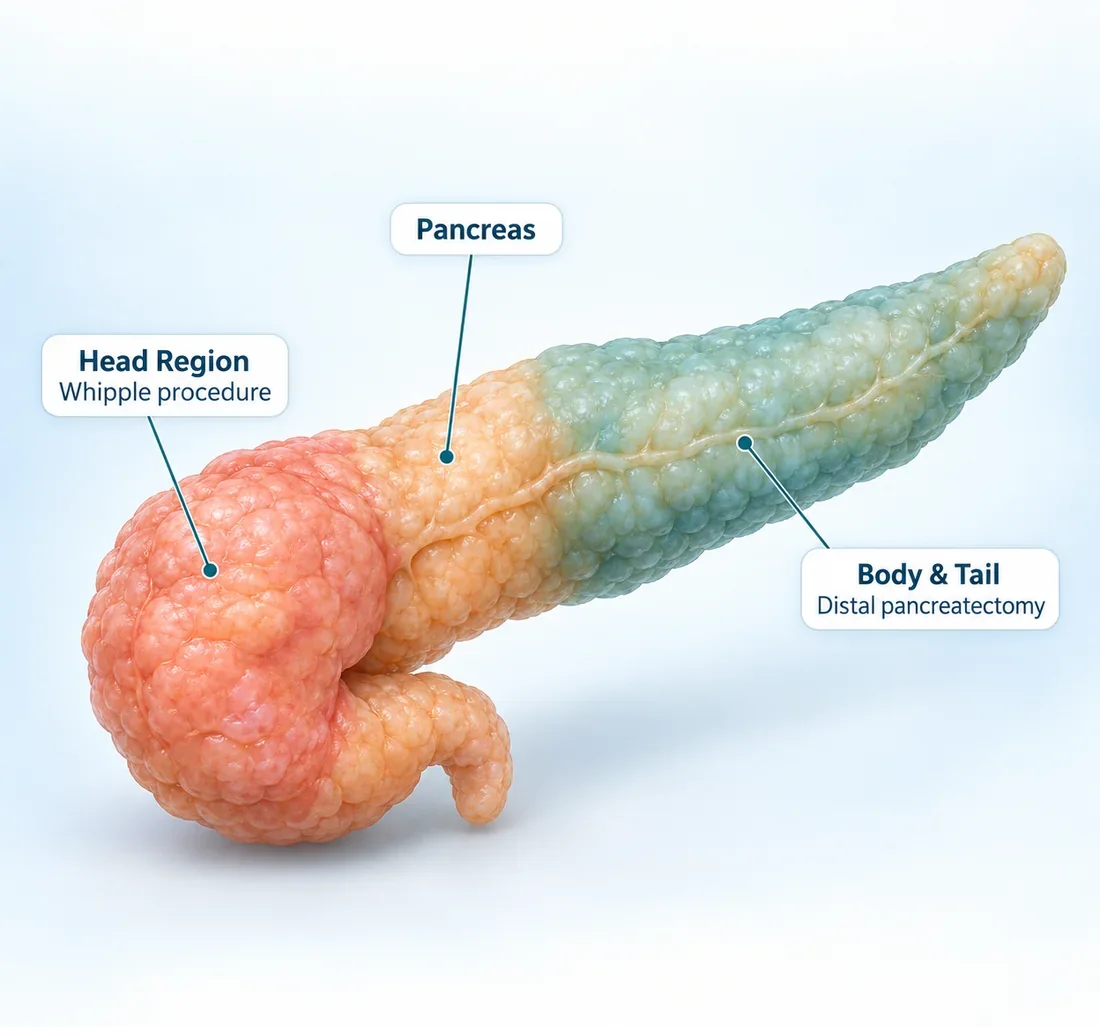
Liver resection for tumours and cysts, bile duct surgery for strictures, stones and injuries, surgery for gallbladder and bile duct cancer, pancreatic surgery including Whipple’s procedure, and complex hepatobiliary procedures. Both open and minimally invasive approaches are used, according to what the condition and the patient allow.
The liver and pancreas sit against major blood vessels, and the ducts that drain them are small and easily injured. Operations here carry more risk than routine abdominal surgery, so they are planned on detailed imaging and performed by a surgeon trained specifically in this field.
Whether an operation is needed at all, which organ it involves, how much tissue must be removed and whether a minimally invasive approach is suitable all depend on the diagnosis, the imaging and your general health. Some HPB conditions are managed without surgery.
Treatment should be planned on imaging, blood tests and, where the condition is a cancer, multidisciplinary review of your individual case.
HPB stands for Hepato-Pancreato-Biliary surgery — operations on the liver, bile ducts, gallbladder and pancreas.
Resection of primary and secondary liver tumours, benign liver lesions and liver cysts, by open or minimally invasive approach.
Discuss with our team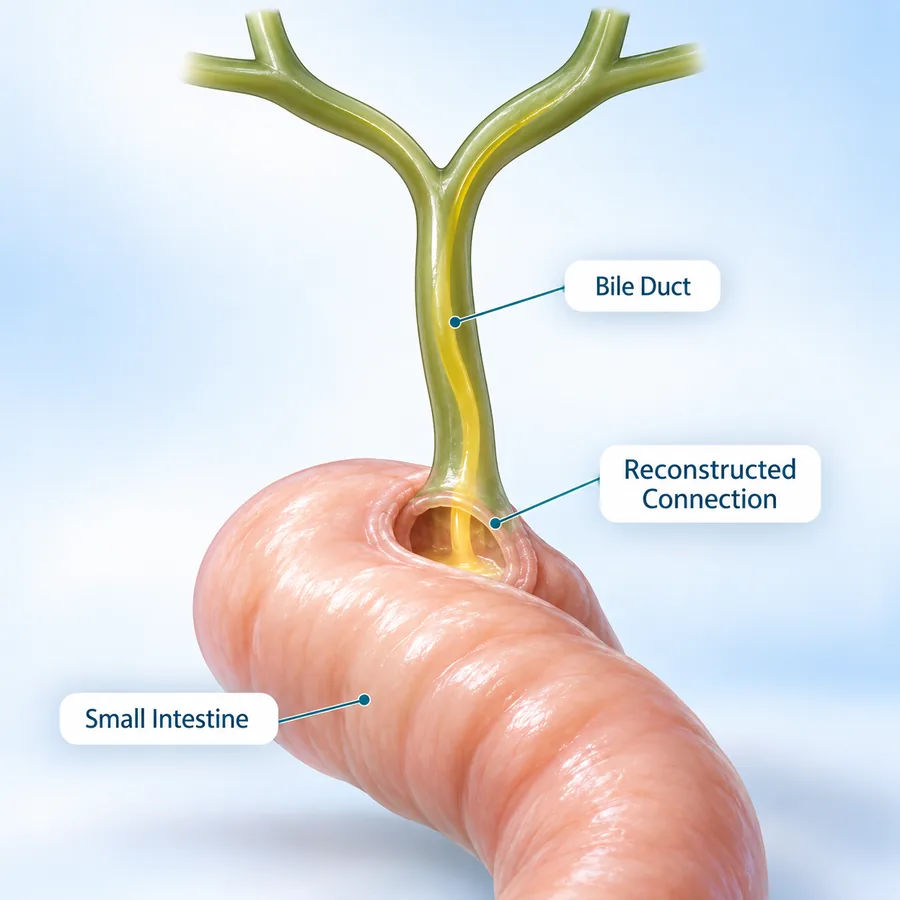
Repair and reconstruction of the bile ducts for strictures, injuries after gallbladder surgery, choledochal cysts and stones.
Discuss with our team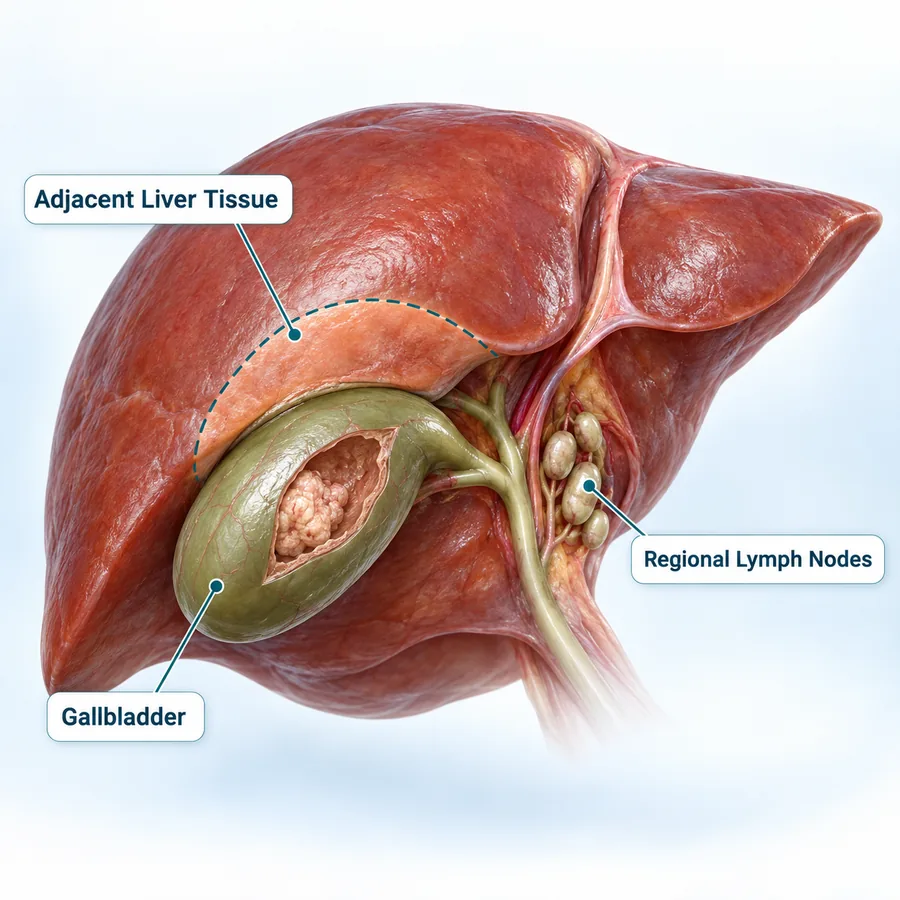
Radical cholecystectomy — removal of the gallbladder with the adjacent liver tissue and lymph nodes — for gallbladder cancer.
Discuss with our team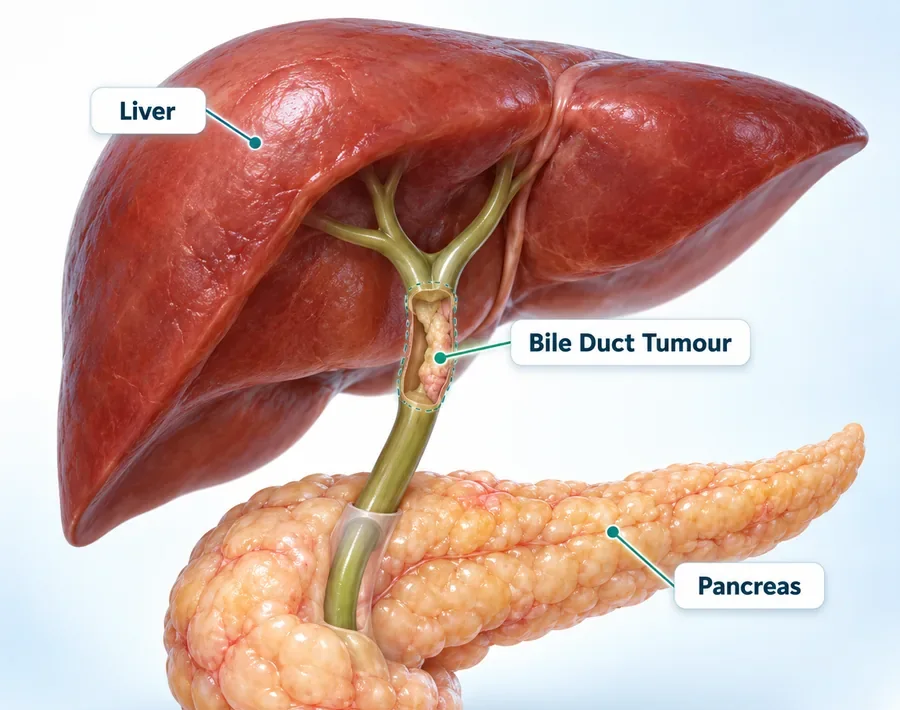
Surgery for cholangiocarcinoma of the bile ducts, which may involve removing part of the liver or pancreas together with the affected duct.
Discuss with our team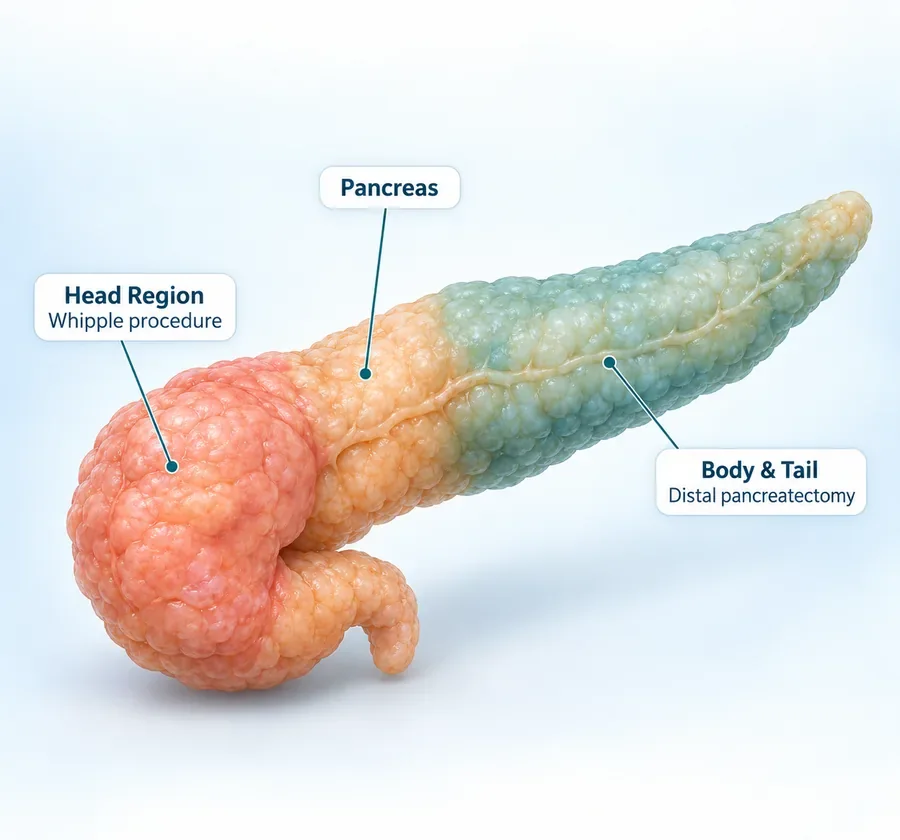
Whipple procedure, distal pancreatectomy and other pancreatic resections for pancreatic cancer, cystic tumours and chronic pancreatitis.
Discuss with our team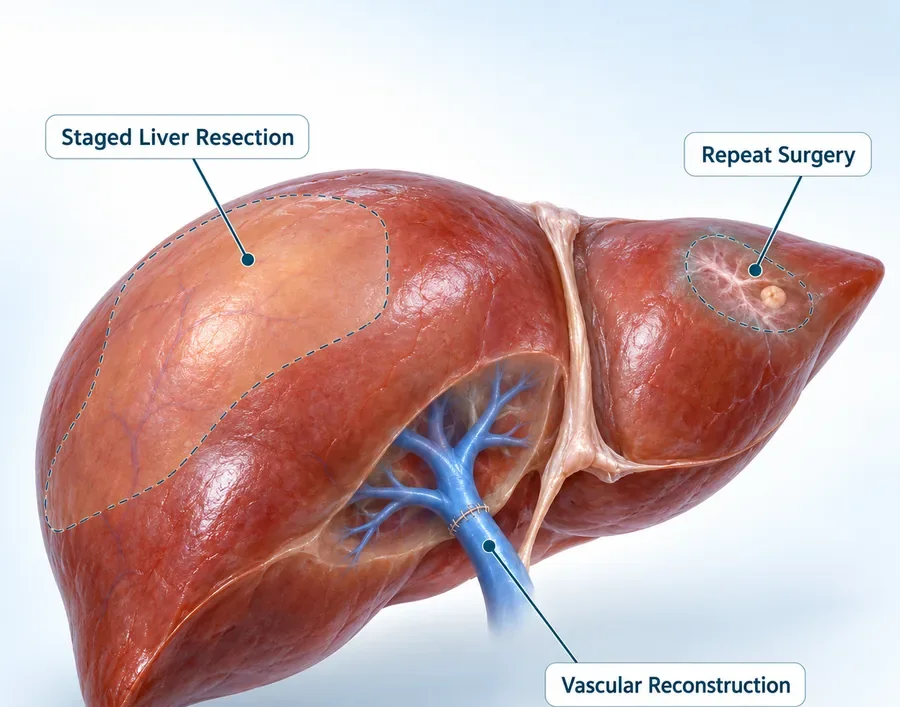
Two-stage liver resections, vascular resection and reconstruction, and re-do surgery for recurrent or locally advanced tumours.
Discuss with our teamSuitability for any HPB procedure is confirmed after imaging, blood tests and multidisciplinary review.
Specialist care with a patient-first approach.
HPB surgery led by a surgeon trained in surgical gastroenterology and HPB & GI surgical oncology at high-volume centres.
Open, laparoscopic and robotic-assisted liver and HPB procedures considered according to clinical suitability.
Access to CT, MRI, blood tests and biopsy for accurate staging and liver function assessment before treatment.
Treatment is planned according to the type and stage of the tumour, liver function and your individual clinical situation.
Surgeons, medical oncologists, radiologists and hepatologists review each case together to agree the right plan.
Clear communication before surgery, during recovery and throughout follow-up, in Kolkata and Baruipur.
Initial evaluation and medical history.
Imaging, blood tests and other investigations.
A personalized treatment plan is created.
Appropriate surgical or non-surgical treatment.
Post-treatment monitoring and continued care.
Consultation, treatment and follow-up organised around the patient.
HPB care delivered by a specialist surgical team.
Consultation, theatre, imaging and diagnostic facilities used for planned cancer surgery.
Time to discuss your scans, reports, treatment options and recovery.
Consultations available in Kolkata and Baruipur.
General information only. Advice for your own condition comes from your consultation.
No. Treatment depends on the type, size, number and position of the tumours, how well the rest of the liver is working, and your general health. Some tumours are best treated with resection, others with ablation, transplantation, chemotherapy, targeted therapy or immunotherapy, or a combination. The plan is decided after multidisciplinary review of your scans and reports.
Liver resection is an operation that removes the part of the liver containing the tumour together with a margin of healthy tissue, while preserving enough healthy liver for the body to function. The remaining liver can regenerate over the following weeks. Suitability depends on tumour position and the health of the remaining liver.
Minimally invasive (laparoscopic or robotic) liver resection is possible for selected tumours, using small incisions, a camera and specialised instruments. It is not appropriate for every tumour or every patient; suitability is assessed after reviewing your imaging and fitness for anaesthesia.
HPB stands for Hepato-Pancreato-Biliary. HPB surgery covers operations on the liver, the bile ducts, the gallbladder and the pancreas, including surgery for gallbladder cancer, bile duct cancer (cholangiocarcinoma) and pancreatic tumours.
Some patients need chemotherapy, targeted therapy or immunotherapy before or after surgery, and some are treated without surgery at all. This depends on the type and stage of the cancer and is decided through multidisciplinary discussion between surgeons, medical oncologists, radiologists and other specialists.
Recovery varies with the extent of the operation, the approach used and your general health. Most patients stay in hospital for several days after a major liver resection and continue recovering at home for a few weeks. Your surgical team gives specific advice about diet, activity, wound care and follow-up before discharge.
Sudden severe abdominal pain, rapidly increasing jaundice, vomiting blood or passing black stools, high fever with shivering, confusion or drowsiness, or rapid abdominal swelling require urgent medical assessment. Go to your nearest emergency department the same day.
Consult our experienced surgical team for evaluation and personalized treatment planning.
Six fields, nothing clinical. We will call you back to confirm.