
What a healthy pancreas does and why it matters

Understanding the Normal Pancreas: A Q&A Guide
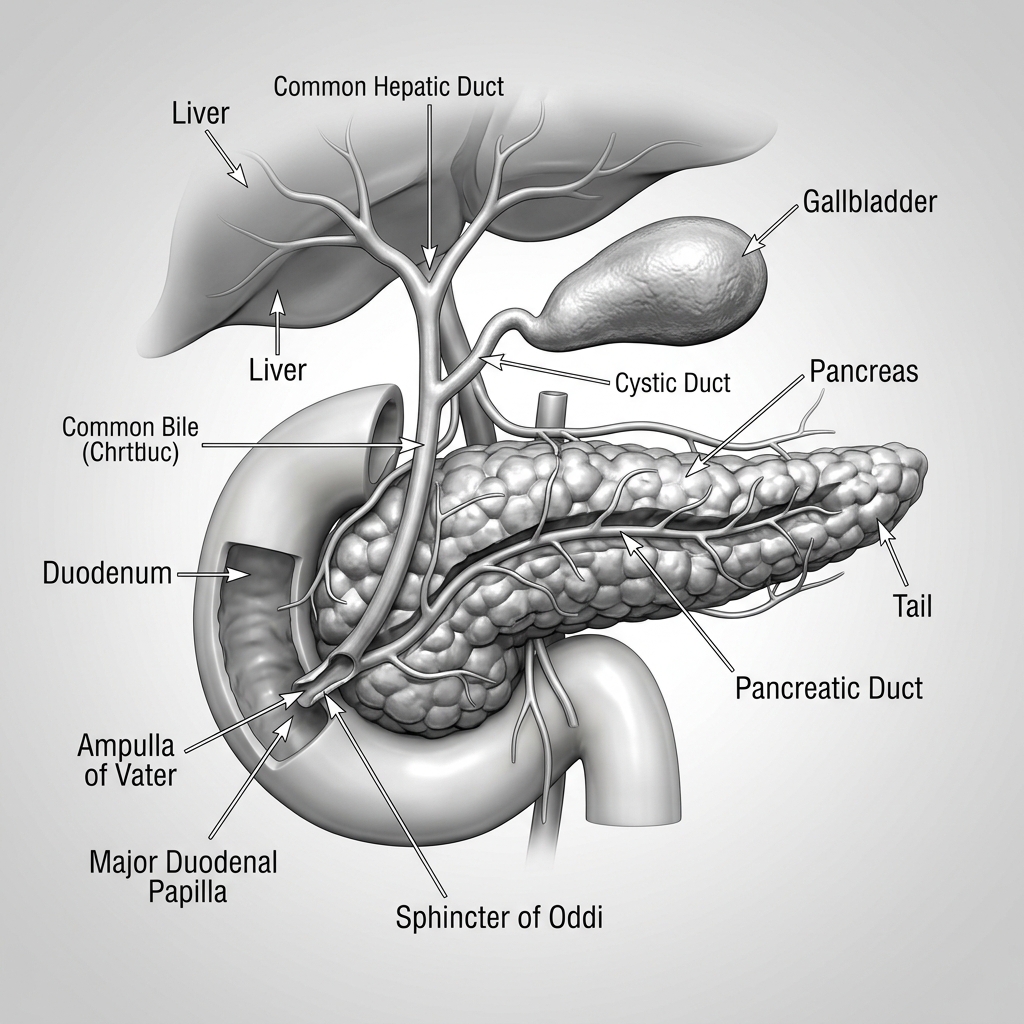
Normal Pancreas Illustration

Understanding the Normal Pancreas: A Q&A Guide

The pancreas is an incredible organ essential for digestion and maintaining blood sugar balance. This Q&A-style guide will help you understand its functions, importance, and how to keep it healthy.

1. What is the pancreas, and where is it located?

The pancreas is a vital gland located deep in the abdomen. It sits behind the stomach and is nestled between the liver, spleen, and small intestine. Shaped like a flat, elongated fish, it has three main parts:

  • Head: Tucked into the curve of the small intestine.
  • Body: The central portion behind the stomach.
  • Tail: The tapered end near the spleen.
2. What does the pancreas do?

The pancreas plays two critical roles:

  • Digestion (Exocrine Function): It produces digestive enzymes to break down fats, proteins, and carbohydrates, ensuring your body absorbs nutrients efficiently.
  • Blood Sugar Regulation (Endocrine Function): The body releases hormones like insulin and glucagon to keep blood sugar levels in check.
3. What are pancreatic digestive enzymes, and why are they important?

The pancreas produces three main types of enzymes:

  • Amylase: Breaks down carbohydrates into sugars.
  • Lipase: Helps digest dietary fats.
  • Proteases (like trypsin and chymotrypsin): Break down proteins into amino acids.

These enzymes are crucial for nutrient absorption and energy production. Without them, food would pass through your system without providing nourishment.

4. How does the pancreas regulate blood sugar?

The pancreas secretes hormones into the bloodstream:

  • Insulin: Helps cells absorb glucose, reducing blood sugar levels.
  • Glucagon: Signals the liver to release stored glucose, raising blood sugar levels.
  • Somatostatin: Acts as a regulator, ensuring a balance between insulin and glucagon.

This delicate balance keeps your energy levels stable throughout the day.

5. How does the pancreas interact with other organs?

The pancreas works in harmony with several organs:

  • With the Stomach: Releases digestive enzymes when food enters the small intestine.
  • With the Liver: Regulates blood sugar levels through glucagon and insulin.
  • With the Intestines: Helps neutralize stomach acid and facilitates digestion.

Together, these systems ensure smooth digestion and metabolism.

6. What does a healthy pancreas look like in action?

A healthy pancreas operates silently and seamlessly. You likely have a well-functioning pancreas if:

  • You digest food without bloating or discomfort.
  • Your blood sugar levels remain stable.
  • You maintain energy and a healthy weight.
7. Can the pancreas heal itself if damaged?

The pancreas has some ability to recover, particularly from mild inflammation, like in acute pancreatitis. However, chronic damage—due to repeated inflammation, alcohol misuse, or other factors—can lead to irreversible scarring and loss of function. Preventive care is key to protecting this organ.

8. How can you keep your pancreas healthy?

Here are practical tips for pancreatic health:

  • Eat a balanced diet: Focus on fresh fruits, vegetables, whole grains, and lean proteins.
  • Limit alcohol and avoid smoking: Both are major risk factors for pancreatic damage.
  • Stay active: Regular exercise supports overall health and weight management.
  • Stay hydrated: Proper hydration supports digestion and enzyme activity.
  • Monitor your health: Regular checkups can identify early signs of issues.
9. What are some common tests to check pancreatic health?

Doctors may use various tests, including:

  • Blood Tests: To measure enzyme and blood sugar levels.
  • Imaging (Ultrasound, CT, MRI): To visualize the pancreas and surrounding structures.
  • Endoscopic Tests (e.g., ERCP): To examine the pancreatic ducts and detect blockages.

Early diagnosis can prevent complications and improve treatment outcomes.

10. Why is it important to understand the pancreas?

Understanding your pancreas can empower you to recognize early warning signs of issues like diabetes, pancreatitis, or pancreatic cancer. Awareness is the first step toward prevention and timely care.

11. In Conclusion

The pancreas may be small, its impact on health is immense. Protecting it through a healthy lifestyle and regular checkups can go a long way toward preventing diseases and ensuring long-term wellness.

Do you have more questions about the pancreas? Our other blogs offer detailed insights, or you can leave your questions in the comments below. Let’s take the journey to better health together!

To Book an Appointment, Please Contact:

+91 9711669119, +91 9355661973, +91 7042410785

Contact us for any query !

Contact Us