Severe Epigastric Pain
Constant, boring pain in the upper abdomen radiating straight through to the back, often eased slightly by leaning forward.

Expert management of acute and chronic pancreatitis, pancreatic cysts and functional disorders — from emergency stabilisation to complex reconstructive surgery.
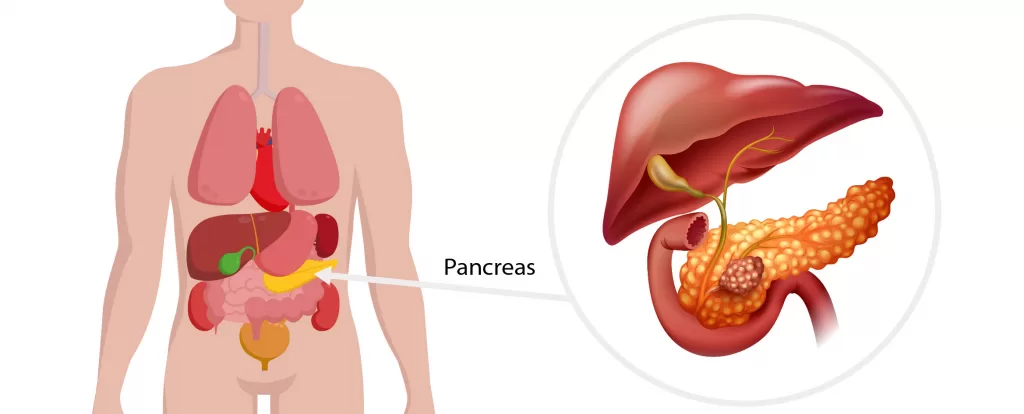
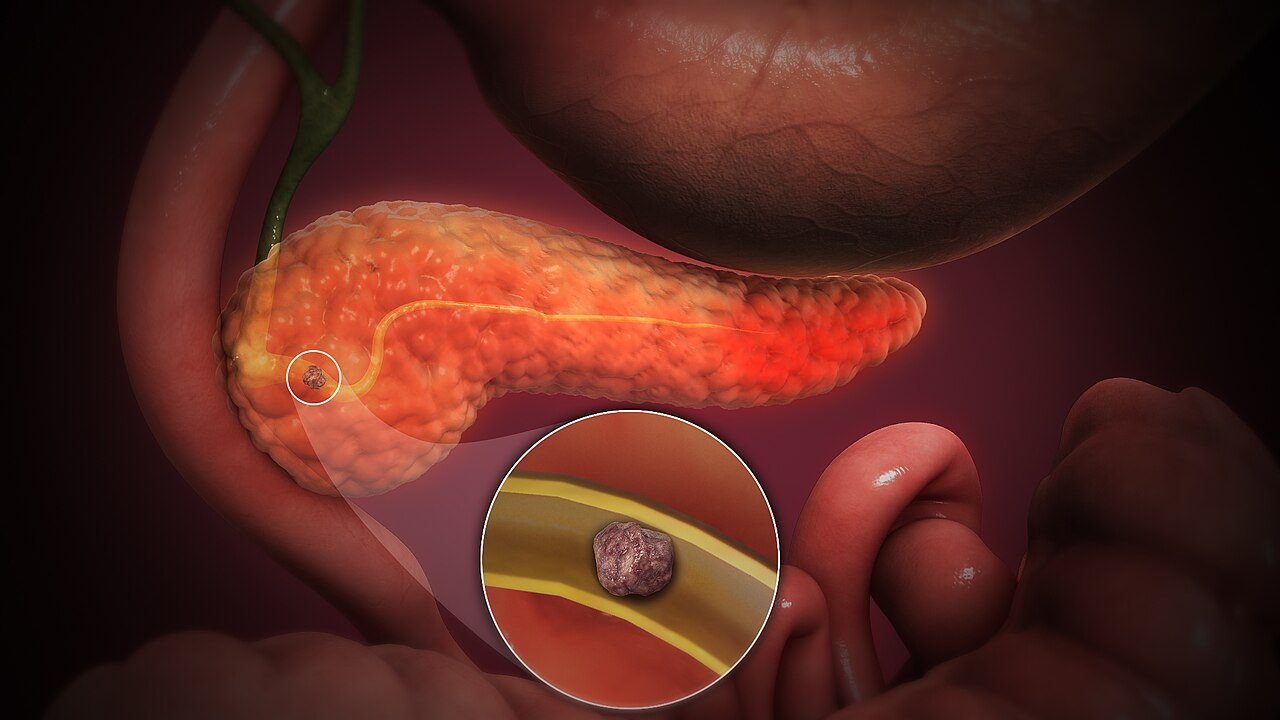
The pancreas does two unrelated jobs. Its exocrine tissue makes the enzymes that digest fat and protein, delivered into the duodenum through a duct it shares with the bile system. Its endocrine islets make insulin and glucagon, released directly into the blood. Disease in one function frequently damages the other.
Acute pancreatitis is what happens when those digestive enzymes activate inside the gland rather than in the intestine. Gallstones and alcohol account for the large majority of cases. The presentation is unmistakable — severe upper abdominal pain boring through to the back, with vomiting — and the early priorities are aggressive fluid resuscitation, pain control and identifying the cause.
Chronic pancreatitis is a different disease with the same name. Repeated inflammation scars the gland permanently, producing relentless pain, fatty stools from enzyme failure, weight loss and eventually diabetes. Treatment addresses each of those separately: enzyme replacement, structured pain management, and drainage or resection surgery when the duct is obstructed.
Discuss Your ReportsNone of these confirms a diagnosis on its own. Each is a reason to be examined rather than to wait and see how things develop.
Constant, boring pain in the upper abdomen radiating straight through to the back, often eased slightly by leaning forward.
Repeated vomiting that brings no relief, accompanied by an inability to keep fluids down and rapid dehydration.
Pale, bulky, greasy stools that are difficult to flush — the hallmark of exocrine failure, where fat passes through undigested.
Losing weight despite eating, because enzymes are insufficient to extract nutrition from food that is being consumed normally.
Diabetes appearing after fifty without family history, particularly with weight loss, which warrants imaging of the pancreas.
Systemic signs during an acute attack, indicating an inflammatory response that requires inpatient monitoring.
Understanding what drives the condition is what makes prevention and early detection practical rather than theoretical.
Only the investigations that will change a decision are ordered, and they are sequenced so results build on one another rather than repeating.
Levels three times above normal establish acute pancreatitis. Lipase remains elevated longer and is the more reliable of the two.
Performed early to identify gallstones as the cause, which changes management immediately even when the pancreas itself is obscured by bowel gas.
Best performed after seventy-two hours, when it accurately shows necrosis, fluid collections and vascular complications.
Maps the pancreatic and bile ducts without instrumentation, identifying stones, strictures and anatomical variants such as pancreas divisum.
Characterises cystic lesions, samples fluid for analysis and detects small tumours that cross-sectional imaging cannot resolve.
Treatment is matched to the stage and to the individual. Not every option below applies to every patient, and the right choice is made together.
Aggressive intravenous fluids, effective analgesia and early nutrition — the interventions that most influence outcome in severe acute pancreatitis.
Urgent stone extraction in biliary pancreatitis with cholangitis, and stenting for duct strictures in chronic disease.
Pancreatic enzyme supplements taken with meals to reverse malabsorption, alongside a structured multimodal approach to chronic pain.
Lateral pancreaticojejunostomy for an obstructed dilated duct, and resection where disease is confined to the head or tail of the gland.
Specialist surgical care, delivered close to home, without asking families to relocate for months of treatment.
A dedicated hepato-pancreato-biliary and gastrointestinal surgical team, operating on these conditions as their principal practice rather than occasionally.
Endoscopy, endoscopic ultrasound, MRCP and protocol-specific cross-sectional imaging interpreted by clinicians who treat the disease themselves.
Fully equipped theatres, high-dependency support and endoscopy suites, delivered in partnership with hospitals close to where patients live.
Laparoscopic and endoscopic approaches wherever they are the right choice, with shorter stays, less pain and a faster return to ordinary life.
Reports reviewed before you travel, decisions explained in your own language, and a plan built around your circumstances rather than a protocol.
Acute pancreatitis, cholangitis and obstructive jaundice do not keep office hours. Our team is reachable when they present.

Dr. Kapoor leads Advitya's gastrointestinal and hepato-pancreato-biliary practice, with a focus on complex pancreatic, biliary and liver surgery. Her work centres on bringing specialist-level surgical care to regional hospitals, so that patients can receive the operation they need without leaving their families behind.
Pancreato-Biliary-Liver Surgery · Gastrointestinal Surgery · Surgical Oncology
Four steps, explained before they happen, so you always know what comes next.
We begin with your history and your existing reports. Bring every scan and biopsy — they shape the plan more than the symptoms do.
Only the investigations that will change a decision are ordered, sequenced so that you are not sent back and forth between departments.
Complex cases are discussed jointly by surgery, oncology and radiology, and the plan is explained to you and your family in full before anything begins.
Structured recovery with nutritional and physiotherapy support, and a defined follow-up schedule so nothing is left to chance.
Straight answers to the questions patients ask most often in clinic.
Gallstones and alcohol together account for around eighty percent of cases. Less common causes include very high triglycerides, certain medications, high calcium, abdominal trauma and, occasionally, ERCP itself. Identifying the cause is essential, because treating it is what prevents recurrence.
Most attacks are mild and settle within a week with supportive care. Around one in five becomes severe, with pancreatic necrosis, organ dysfunction or infected collections, and these require intensive care and sometimes intervention. Severity cannot be judged reliably on day one, which is why early admission and monitoring matter.
The scarring is permanent and cannot be reversed. What can be treated effectively are its consequences — pain, malabsorption and diabetes. Enzyme replacement corrects the digestive failure, and drainage or resection surgery gives durable pain relief in carefully selected patients with an obstructed duct.
If a gallstone caused the attack, the stones remaining in the gallbladder are likely to cause another. The risk of recurrence within the first year is substantial. Cholecystectomy during the same admission, or shortly after recovery, removes that risk almost entirely.
It is the failure to produce enough digestive enzymes, so fat passes through undigested. It causes pale, greasy, offensive stools, bloating, weight loss and fat-soluble vitamin deficiency. It is treated effectively with enzyme capsules taken with every meal and snack.
Most are not, but they are not all the same. Simple pseudocysts following pancreatitis are benign. Mucinous cystic lesions and IPMNs carry a variable risk of malignant transformation and need characterisation by endoscopic ultrasound and MRCP, then either surveillance or resection depending on their features.
Connect with our experienced specialists for personalised diagnosis and treatment.
+91 9211221551 · info@advityahealthcares.com · Reports reviewed before you travel