Painless Jaundice
Progressive yellowing of the eyes and skin without pain, with dark urine and pale stools — the most important single presenting sign.

Accurate staging, expert surgical resection and coordinated oncology care — because in pancreatic cancer the interval between suspicion and a plan is what matters most.
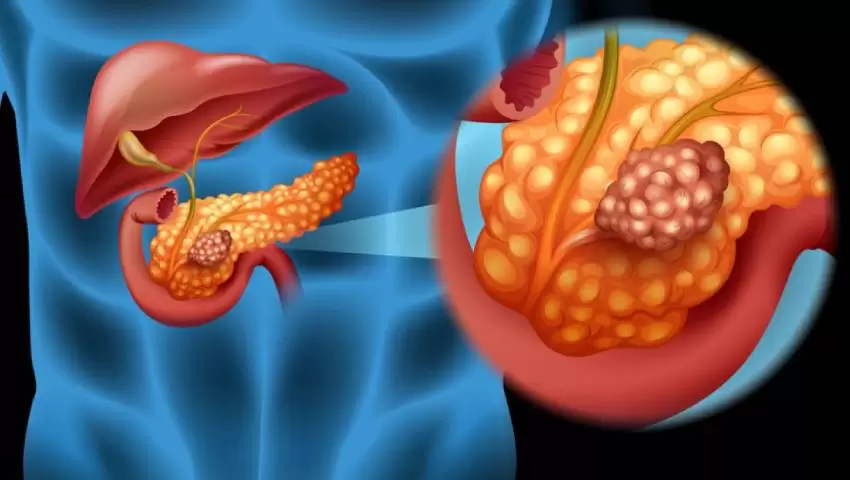
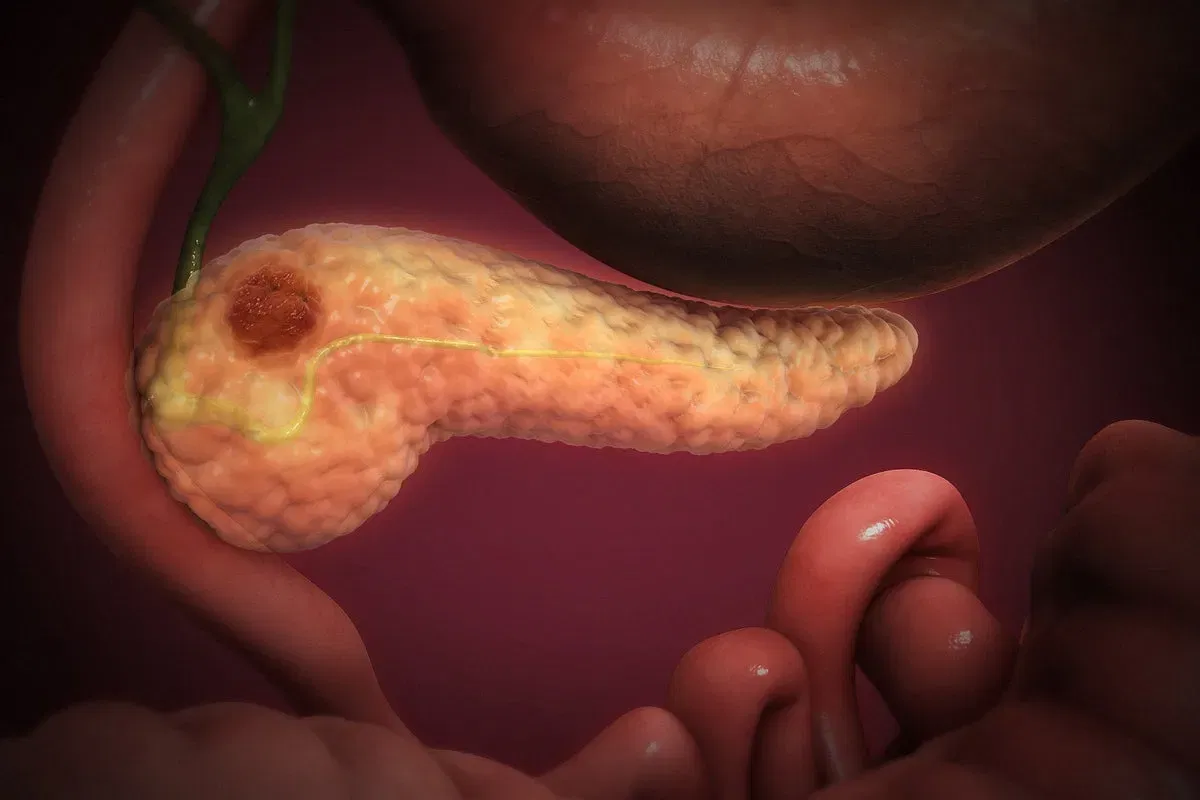
Pancreatic ductal adenocarcinoma arises from the cells lining the pancreatic duct. It is difficult to detect early because the pancreas sits deep in the abdomen and the tumour produces no symptoms until it presses on something — most often the bile duct, which is why painless jaundice is the classic presentation of a tumour in the head of the gland.
Everything turns on staging. A dedicated pancreatic-protocol CT defines the tumour's relationship to the surrounding arteries and veins, and that anatomy determines whether the disease is resectable, borderline resectable or locally advanced. These are not degrees of severity but distinct treatment pathways, and getting the classification right is the most consequential decision in the entire pathway.
Surgery offers the only realistic prospect of cure, but it is one part of a multimodal plan. Chemotherapy before surgery can convert borderline disease to resectable and treats micrometastases that imaging cannot see. Every case should be discussed in a joint surgical and oncology tumour board rather than decided by any single clinician.
Discuss Your ReportsNone of these confirms a diagnosis on its own. Each is a reason to be examined rather than to wait and see how things develop.
Progressive yellowing of the eyes and skin without pain, with dark urine and pale stools — the most important single presenting sign.
Substantial, unintended weight loss over weeks to months, frequently the earliest change patients recall in retrospect.
A deep, gnawing pain in the upper abdomen radiating to the back, often worse lying flat and eased by curling forward.
Diabetes appearing after fifty with no family history, particularly alongside weight loss, is an established warning sign.
Bile salts deposited in the skin causing an intense generalised itch that often precedes visible jaundice.
Obstruction of the pancreatic duct preventing enzymes reaching the intestine, so fat passes through undigested.
Understanding what drives the condition is what makes prevention and early detection practical rather than theoretical.
Only the investigations that will change a decision are ordered, and they are sequenced so results build on one another rather than repeating.
The cornerstone of staging. Timed arterial and venous phases define the tumour's relationship to the vessels and determine resectability.
Detects small tumours CT cannot resolve and provides tissue diagnosis before any chemotherapy is started.
Characterises liver lesions of uncertain nature and maps duct anatomy where the CT appearance is equivocal.
A baseline tumour marker for monitoring response, interpreted alongside bilirubin since obstruction alone raises it.
Detects small peritoneal or liver deposits invisible on imaging, sparing selected patients a major operation that could not have helped them.
Treatment is matched to the stage and to the individual. Not every option below applies to every patient, and the right choice is made together.
Pancreaticoduodenectomy for tumours of the head — removal of the pancreatic head, duodenum, bile duct and gallbladder, with reconstruction of all three streams.
Resection of the body and tail with splenectomy, performed laparoscopically in suitable cases with faster recovery than open surgery.
Given before surgery to treat micrometastatic disease and to downstage borderline resectable tumours into operable ones.
Endoscopic stenting to relieve jaundice, enzyme replacement for malabsorption, and specialist pain management including coeliac plexus block.
Specialist surgical care, delivered close to home, without asking families to relocate for months of treatment.
A dedicated hepato-pancreato-biliary and gastrointestinal surgical team, operating on these conditions as their principal practice rather than occasionally.
Endoscopy, endoscopic ultrasound, MRCP and protocol-specific cross-sectional imaging interpreted by clinicians who treat the disease themselves.
Fully equipped theatres, high-dependency support and endoscopy suites, delivered in partnership with hospitals close to where patients live.
Laparoscopic and endoscopic approaches wherever they are the right choice, with shorter stays, less pain and a faster return to ordinary life.
Reports reviewed before you travel, decisions explained in your own language, and a plan built around your circumstances rather than a protocol.
Acute pancreatitis, cholangitis and obstructive jaundice do not keep office hours. Our team is reachable when they present.

Dr. Kapoor leads Advitya's gastrointestinal and hepato-pancreato-biliary practice, with a focus on complex pancreatic, biliary and liver surgery. Her work centres on bringing specialist-level surgical care to regional hospitals, so that patients can receive the operation they need without leaving their families behind.
Pancreato-Biliary-Liver Surgery · Gastrointestinal Surgery · Surgical Oncology
Four steps, explained before they happen, so you always know what comes next.
We begin with your history and your existing reports. Bring every scan and biopsy — they shape the plan more than the symptoms do.
Only the investigations that will change a decision are ordered, sequenced so that you are not sent back and forth between departments.
Complex cases are discussed jointly by surgery, oncology and radiology, and the plan is explained to you and your family in full before anything begins.
Structured recovery with nutritional and physiotherapy support, and a defined follow-up schedule so nothing is left to chance.
Straight answers to the questions patients ask most often in clinic.
Painless jaundice with dark urine and pale stools is the most important. Unexplained weight loss, a deep upper abdominal pain radiating to the back, new diabetes after fifty without family history, and persistent itching are the others. Individually each has benign explanations; in combination they warrant urgent imaging.
With a dedicated pancreatic-protocol CT that images in timed arterial and venous phases. This defines the tumour's contact with the superior mesenteric artery, coeliac axis and portal vein, and that anatomy classifies the disease as resectable, borderline resectable, locally advanced or metastatic — which in turn determines the entire treatment sequence.
No. Around one in five patients has disease confined enough for resection at the time of diagnosis. For borderline tumours, chemotherapy first can shrink the tumour away from the vessels and make surgery possible. Operating when clear margins cannot be achieved does not help patients, which is why accurate staging is so important.
It removes the head of the pancreas along with the duodenum, the lower bile duct and the gallbladder, then reconstructs the pancreatic, biliary and gastric connections to the small intestine. It is a major operation, typically five to seven hours, with a hospital stay of ten to fourteen days in an uncomplicated recovery.
Almost always. Chemotherapy addresses microscopic disease that imaging cannot detect and that surgery alone cannot remove. It may be given before surgery, after it, or both. The regimen and sequence are decided jointly by the surgical and oncology teams for each individual case.
Send us the CT images themselves rather than only the report — resectability is judged on the images. Our team reviews the scan and the pathology before you travel, so the first consultation begins with a considered opinion rather than a request for repeat tests.
Connect with our experienced specialists for personalised diagnosis and treatment.
+91 9211221551 · info@advityahealthcares.com · Reports reviewed before you travel